DOE, HDF Energy explore hydrogen power plants for SPUG, grid use
- May 12, 2026
- 0
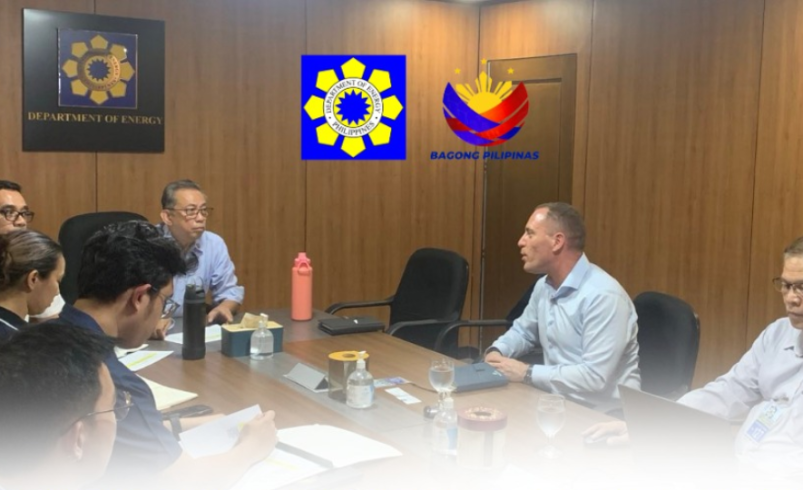
Photo credit: DOE
The Department of Energy (DOE) has engaged French renewable energy developer Hydrogène de France (HDF) Energy in discussions on the potential rollout of commercial-scale hydrogen-integrated power plants in the Philippines, as the government explores alternative technologies to strengthen grid reliability and reduce dependence on imported fuel.
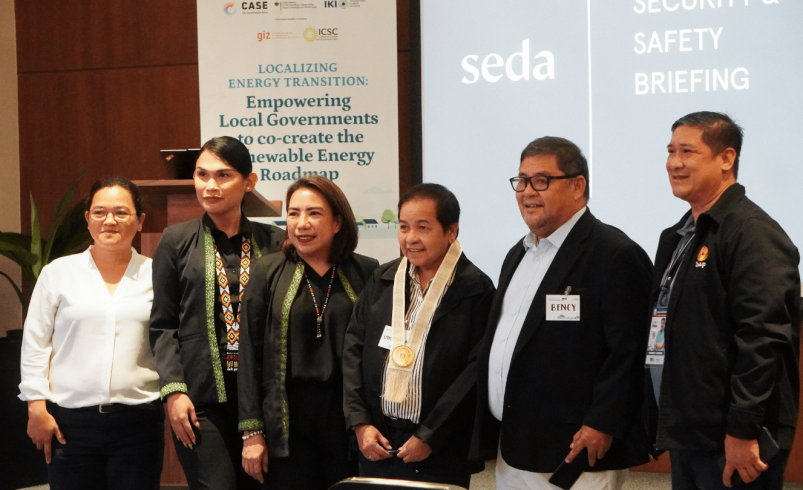
The meeting was led by Undersecretary Alessandro O. Sales, Chairperson of the Hydrogen Energy Industry Committee (HEIC), together with Undersecretary Ronald V. Conquilla, HEIC Vice Chairperson, and representatives from HDF Energy Philippines.
The engagement focused on HDF’s proposed “Renewstable Power Plant” system, which integrates solar generation, lithium-ion battery storage, and hydrogen energy storage to provide firm and dispatchable renewable power.
“Through this engagement, the DOE reaffirms its commitment to advancing low-carbon alternative fuels and efficient energy technologies in support of energy security and reduced greenhouse gas (GHG) emissions,” DOE said in a Facebook post.
The proposal comes as hydrogen emerges as a potential solution for both island electrification and grid stability challenges in the Philippines, particularly in diesel-reliant off-grid systems managed by the Small Power Utilities Group (SPUG).
In 2024, DOE released its Hydrogen Energy Roadmap and Guidelines, positioning hydrogen as a potential component of the country’s long-term energy mix. The policy also established the HEIC to oversee strategy development, evaluate emerging technologies, and coordinate with industry players on pilot and commercial-scale projects.
HDF Energy has earlier said that it is developing a multi-country hydrogen pipeline valued at over USD 1.6 billion, with planned deployments in the Philippines spanning SPUG areas and island grids.
Mathieu Geze, president and director of HDF Energy, said the projects aim to provide stable and baseload 24/7 renewable electricity to island grids under the company’s Renewstable® model, which integrates intermittent renewable energy sources, e.g., solar, with substantial on-site energy storage in the form of green hydrogen.
Mindanao has been identified in prior project discussions as a key deployment area, alongside off-grid communities where fuel logistics and price volatility continue to strain supply security and electricity costs.
Priority sites, HDF Energy earlier told Power Philippines, include the island grids of Marinduque, Masbate and Basilan, and Olutanga.
The DOE–HDF engagement aligns with earlier initiatives linking hydrogen development to distributed power solutions and carbon market participation, with the Philippines positioning itself to potentially generate carbon credits from avoided diesel generation and renewable displacement.
How viable is hydrogen-integrated generation in addressing the Philippines’ SPUG dependency and fuel import exposure—and what regulatory or cost barriers could determine its commercial rollout timeline?
Follow Power Philippines on Facebook and LinkedIn or join our Viber community for more news and updates on the Philippine energy sector.