PHP 983B BOI-approved energy pipeline could add 10.4 GW to grid –DOF
- May 20, 2026
- 0
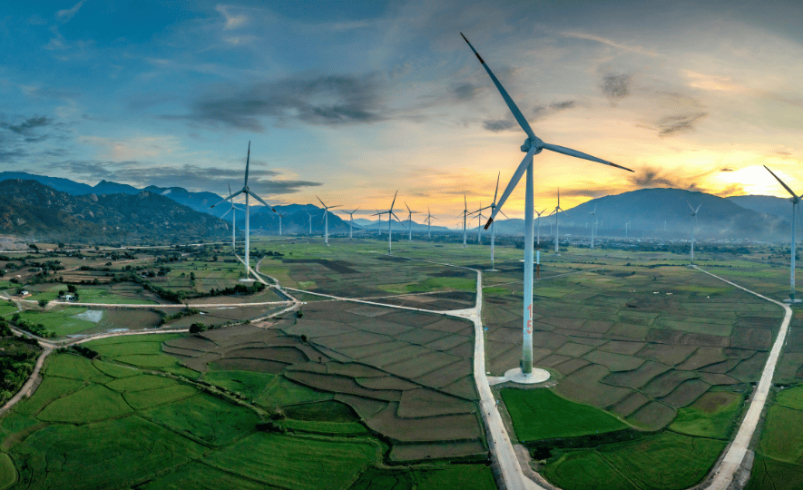
The Department of Finance (DOF) said Board of Investments (BOI)-approved energy projects in 2025 worth PHP 983.3 billion could add 10,405 megawatts (10.4 gigawatts) of new capacity to the Philippine grid, highlighting the scale of investments in the country’s energy pipeline.
In a keynote address prepared by Finance Secretary Frederick D. Go and delivered by Finance Undersecretary Miko Alejandro at the Philippine Chamber of Commerce and Industry (PCCI) Energy and Power Summit 2026, Go said the approved projects are expected to significantly strengthen the country’s energy security.
“These projects are expected to generate a total capacity of 10,405 megawatts significantly bolstering our country’s energy security. The top 3 were in renewable energy– particularly solar, wind, and hydropower,” Go said.

The figure represents more than half of the PHP 1.9 trillion in total investment approvals recorded by investment promotion agencies and the BOI in 2025.
The Department of Energy (DOE) is targeting at least 25 gigawatts of additional renewable energy capacity by 2035 under its Green Energy Auction Programme, alongside longer-term goals of raising the share of renewables to 35% of the power mix by 2030 and 50% by 2040.
The BOI-approved energy pipeline cited by the DOF represents a significant volume of potential capacity, but will still need to progress through auctions, permitting, financing, and construction before it translates into actual grid-connected generation.
Go said the government has aligned fiscal policy, regulatory reforms, and investment incentives to accelerate project implementation.
“We are aligning our fiscal policy, our regulatory frameworks, and our investment architecture toward a single objective: to give energy projects — across all sources and scales — the conditions they need to move from proposal to reality,” his statement said.
He said the government is fast-tracking the development of indigenous energy resources, including natural gas, solar, wind and hydropower, to reduce the country’s exposure to imported fuel price volatility.
Go also cited the CREATE MORE Act as a key reform to attract long-term capital into the energy sector.
“The CREATE MORE Act offers the fiscal certainty and ease of doing business necessary for long-term investment in the Philippines,” he said.
The law provides incentives that may include income tax holidays, reduced corporate income tax rates, enhanced deductions, a 100% deduction on electricity costs, zero-rated value-added tax on local purchases, and VAT- and duty-free importation for qualified enterprises.
Go said more renewable energy projects are also being prepared under the government’s public-private partnership program.
“More renewable energy PPPs are in the pipeline, expanding waste-to-energy, wind, solar, and hydropower energy generation in the Philippines,” he said.
The DOF’s remarks come as the government seeks to attract investment to expand generation capacity, support rising electricity demand, and strengthen energy security amid geopolitical tensions and volatile global fuel markets.
“The Philippines is prime for large-scale investment in energy,” Go said.
What do you think about the size of the Philippines’ approved energy investment pipeline? Join the discussion.
Follow Power Philippines on Facebook and LinkedIn or join our Viber community for more news and updates on the Philippine energy sector.