European businesses back SONA energy agenda, urges faster reforms
- July 28, 2026
- 0
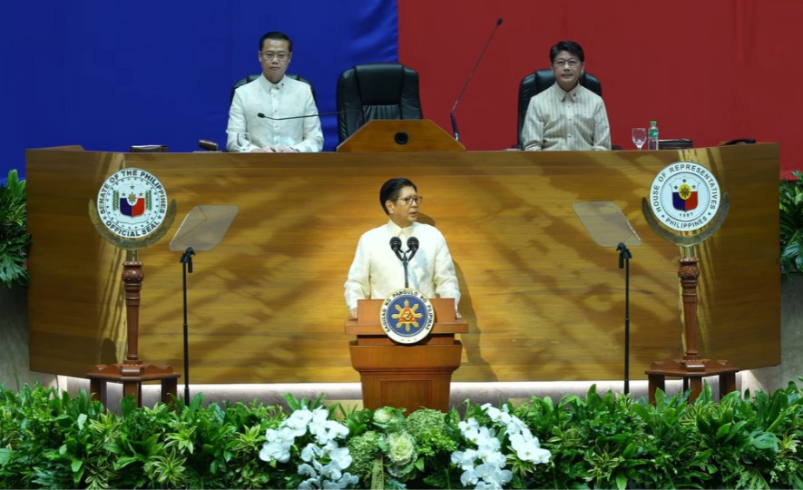
The European Chamber of Commerce of the Philippines (ECCP) has backed President Ferdinand Marcos Jr.’s energy agenda outlined in his fifth State of the Nation Address (SONA), saying the administration’s plans could improve the country’s energy security.
The organization stressed that consistent implementation and power sector reforms will be crucial to delivering lower electricity costs and attracting more investment.
Representing nearly 1,000 European and Philippine businesses, the chamber said the President’s commitments on energy, infrastructure, and ease of doing business provide a clearer direction for investors at a time when the country is seeking to strengthen energy security amid global geopolitical tensions and domestic supply challenges.

ECCP identified the proposed “Sariling Kuryente” Act as one of the key measures to watch. The bill seeks to simplify and reduce the cost of installing rooftop solar panels and battery energy storage systems in households, potentially allowing more consumers to generate part of their own electricity and reduce dependence on the grid.
The chamber also welcomed government efforts to expand the country’s power supply, noting the President’s report that around 200 power projects with a combined capacity of nearly 10,000 megawatts are being monitored for completion through 2028, alongside more than 1,700 MW of energy storage projects.
ECCP likewise cited the resumption of drilling in the Malampaya gas field following the extension of its service contract, as well as the award of new petroleum and hydrogen service contracts, as positive developments for the country’s long-term energy security.
While acknowledging the administration’s openness to nuclear energy, the chamber said any future programme should be supported by a transparent, science-based public discussion covering safety, costs, regulation, and the technology’s role in the Philippines’ long-term energy mix.
ECCP said European companies could contribute expertise in grid modernisation, offshore wind, hydrogen, renewable energy, battery storage, and nuclear safety regulation as the country accelerates its energy transition.
However, the business group said expanding generation capacity alone will not guarantee lower power costs.
It called for continued discussions on modernising the Electric Power Industry Reform Act (EPIRA) and reviewing the treatment of system loss charges, arguing that reforms should make the electricity market more competitive, reliable, transparent, and affordable for both consumers and industries.
“The President set out a clear direction: a Philippines that is more secure, more self-sufficient, and better prepared for shocks beyond its control,” ECCP President Dr. Diana Edralin said.
“European businesses share that goal and are ready to contribute capital, technology, and expertise. What will make the difference over the next two years is steady implementation, predictable rules, and continued consultation between the government and the private sector,” she added.
ECCP welcomed progress on major transport infrastructure, right-of-way reforms, digital government services, and investment facilitation through Green Lanes, saying these initiatives could strengthen investor confidence if implemented consistently across government agencies.
The chamber also reiterated its support for the proposed European Union-Philippines Free Trade Agreement, which it said could further expand trade and investment between the Philippines and Europe.
ECCP Executive Director Florian Gottein said the SONA gave businesses greater clarity on the government’s investment and reform priorities.
“Our members are encouraged by the progress on right-of-way reform, energy development, and digital government services,” Gottein said. “”ECCP’s role is to remain a constructive partner, bringing the practical experience of European companies to the agencies implementing these programmes and helping ensure that sound policies translate into projects, jobs, and investments on the ground.”
Do you think accelerating power sector reforms—alongside new energy projects—is the key to bringing down electricity costs for Filipino consumers? Share your thoughts in the comments.
Follow Power Philippines on Facebook and LinkedIn or join our Viber community for more news and updates on the Philippine energy sector.