Global Hydro’s Kaplan EVO turbine designed to unlock smaller hydropower opportunities in the Philippines
- June 7, 2026
- 0
The Philippines has no shortage of potential hydropower sites. But unlike the massive river systems traditionally associated with hydroelectric generation, many of the country’s untapped opportunities are smaller, lower-head, and shaped by highly variable water conditions.
For Austrian hydropower technology provider Global Hydro Energy, those realities require a different approach to turbine design — one built specifically for the kinds of rivers commonly found across the Philippines.
Adapting to local river conditions

Global Hydro Energy is positioning its Kaplan EVO turbine as a solution designed for low-head run-of-river applications, a category that includes many potential hydro sites across the country.
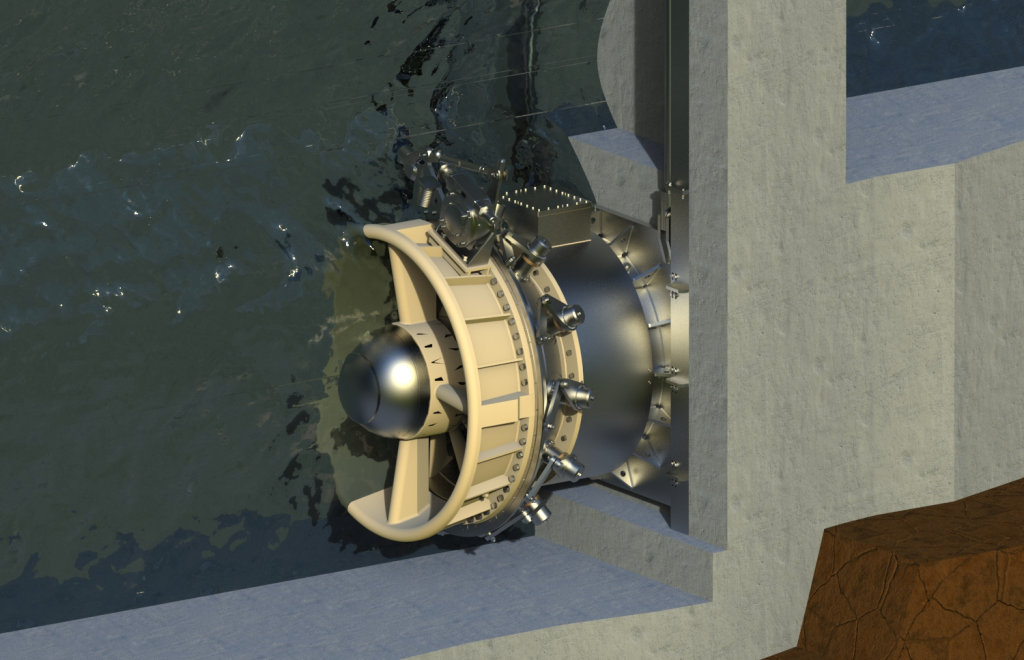
“The Kaplan EVO turbine is ideally suited for the Philippines because it is specifically designed for low-head run-of-river applications up to 14 meters,” said Niko Valle-Schmitz, Area Sales Manager of Global Hydro Energy.
Unlike conventional hydro systems that often require larger civil structures, the Kaplan EVO integrates the generator directly with the turbine runner underwater. This removes the need for a long generator shaft and reduces the overall size of the powerhouse.
According to Valle-Schmitz, the design can significantly reduce civil works and simplify project implementation.
Built for fluctuating rivers
One of the company’s early observations in the Philippines was how rapidly local river systems can change.
“One of the key learnings is how dynamic river systems can be — not just between wet and dry seasons, but within very short timeframes during extreme weather events,” Valle-Schmitz said.
These fluctuating conditions are especially important in a country frequently affected by typhoons and heavy rainfall events.
Valle-Schmitz said the Kaplan EVO was designed to maintain stable and efficient operation even under changing flow conditions, making flexibility a key advantage for Philippine applications.
Smaller hydro, different opportunities
Rather than focusing on large dam projects, Global Hydro sees potential in smaller and more distributed hydropower developments.
The company believes many Department of Energy-approved hydro projects fall within the low-head and variable-flow category — conditions where more conventional hydropower systems may struggle economically or technically.
“A large share of the approved projects in the Philippines fall into the low-head, variable-flow category — exactly the type of sites Kaplan EVO is designed for,” Valle-Schmitz said.
Global Hydro added that the turbine’s operating flexibility could make some previously difficult or uneconomical projects more viable.
“Kaplan EVO doesn’t just serve existing opportunities — it expands them,” he said.
Working with existing infrastructure
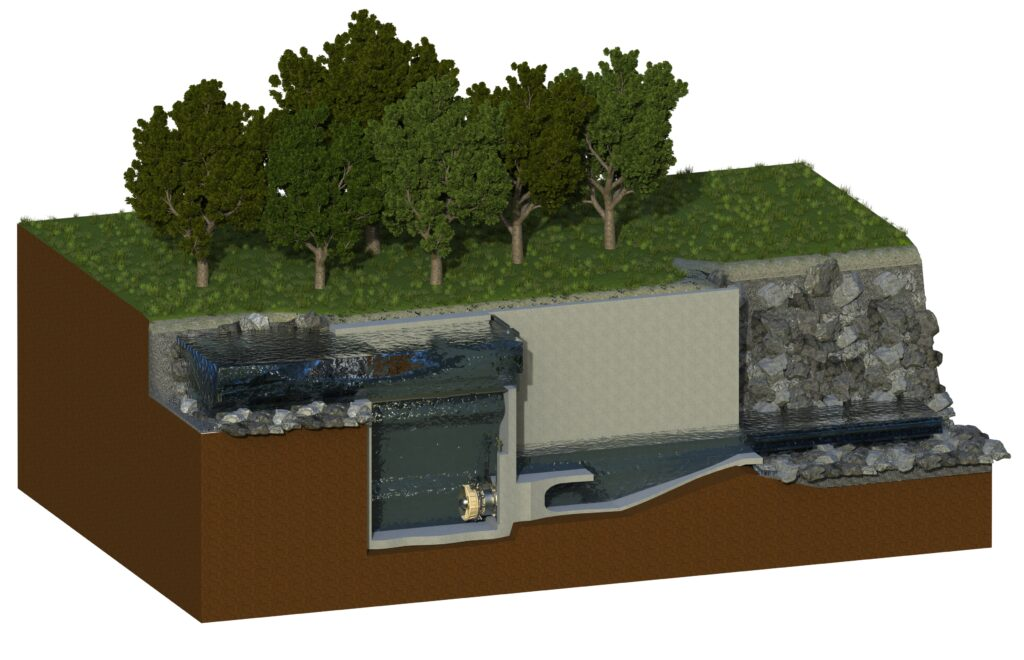
Beyond undeveloped river sites, the company also sees opportunities in existing infrastructure such as irrigation systems and weirs.
“A good example are existing irrigation structures like dams or canals,” Valle-Schmitz said.
Because the Kaplan EVO requires a smaller footprint and less extensive civil construction, the company believes it can be integrated more easily into structures that are already in place.
This approach could allow developers to explore hydropower projects without the scale and complexity often associated with traditional dam construction.
Simplifying project development
Project timelines for hydropower developments in the Philippines often depend heavily on permitting and site conditions. Still, Global Hydro believes compact and modular designs can help reduce engineering and construction complexity.
“Projects can often be realized more efficiently compared to conventional hydropower solutions,” Valle-Schmitz said.
The turbine’s flooded design also eliminates complex sealing systems while reducing maintenance requirements — factors that may be especially valuable for smaller or remote hydro projects.
In addition, the company highlighted the Kaplan EVO’s environmentally friendly operation, noting that the system operates without oil or grease and is designed to be fish-friendly.
A different direction for hydropower
As the Philippines continues expanding its renewable energy portfolio, Global Hydro believes the future of hydropower in the country may not necessarily depend on building larger facilities.
Instead, the company sees opportunity in designing systems around the realities of Philippine rivers — smaller waterways, changing flows, and existing infrastructure that can be adapted for renewable energy generation.
In that sense, the challenge is not simply generating more hydropower, but finding technologies flexible enough to work with the conditions already present on the ground.
As the Philippines explores more small and run-of-river hydro projects, could adaptable technologies like Kaplan EVO unlock river sites once considered too difficult or uneconomical to develop?
Follow Power Philippines on Facebook and LinkedIn or join our Viber community for more updates.