Grid-forming batteries are emerging as the Philippines’ next energy imperative
- April 23, 2026
- 0
The Philippines’ energy transition is entering a more complex phase—one where adding renewable capacity is no longer the primary challenge. As more solar and wind come online, the focus is shifting to how reliably that power can be delivered.
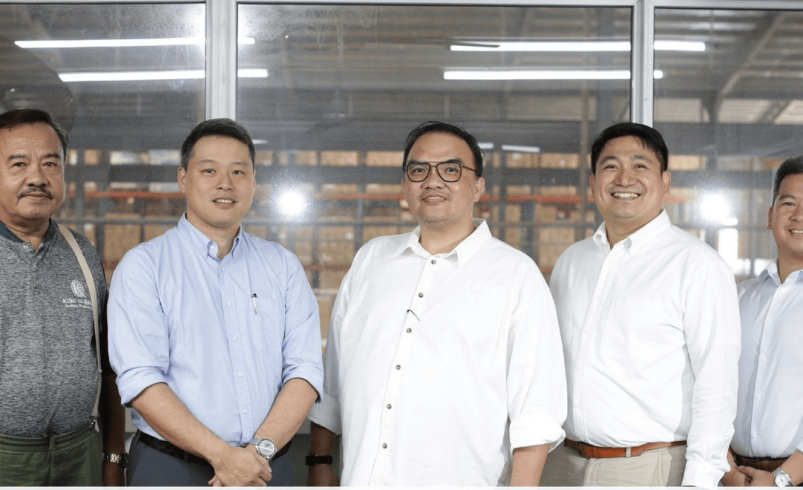
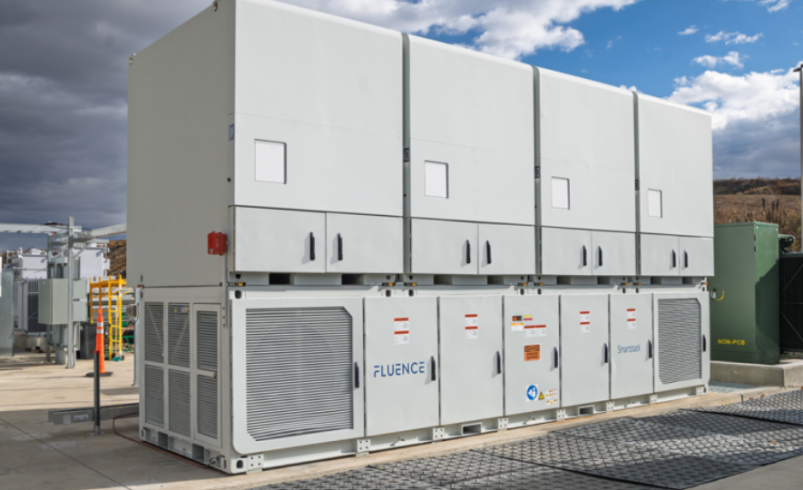
At a recent industry briefing in Makati, industry stakeholders and executives from Fluence, a global market leader in energy storage products and services, outlined how grid-forming battery systems are becoming central to maintaining grid stability.
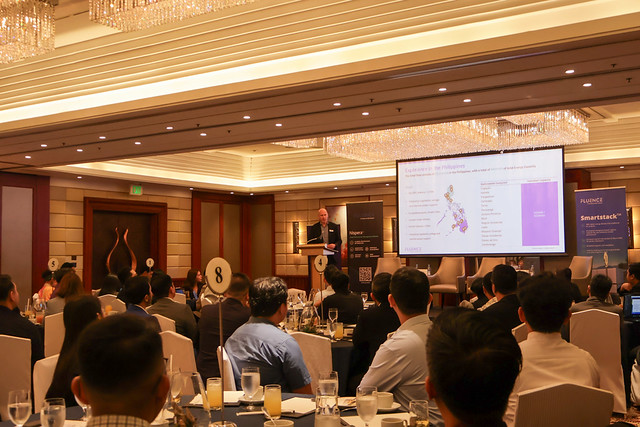
“We are not just talking about a transition anymore—we are living through a period of unprecedented demand and rapid modernization,” said Ruth Yu-Owen, chairperson of the European Chamber of Commerce of the Philippines’ Renewable Energy and Energy Efficiency Committee, in her opening remarks.

“With more variable renewable energy coming in, we need smarter ways to keep the grid stable,” she added, saying that grid-forming batteries are “a bridge between today’s power systems and a cleaner energy future.”
For Fluence Chief Customer Success Officer John Zahurancik, the Philippines is part of a broader structural shift affecting power systems worldwide.
“Every power system now is trying to understand the future energy mix—how to manage cost and reliability—and make sure we’re planning for the power system of the future, not the past,” he said during the forum.
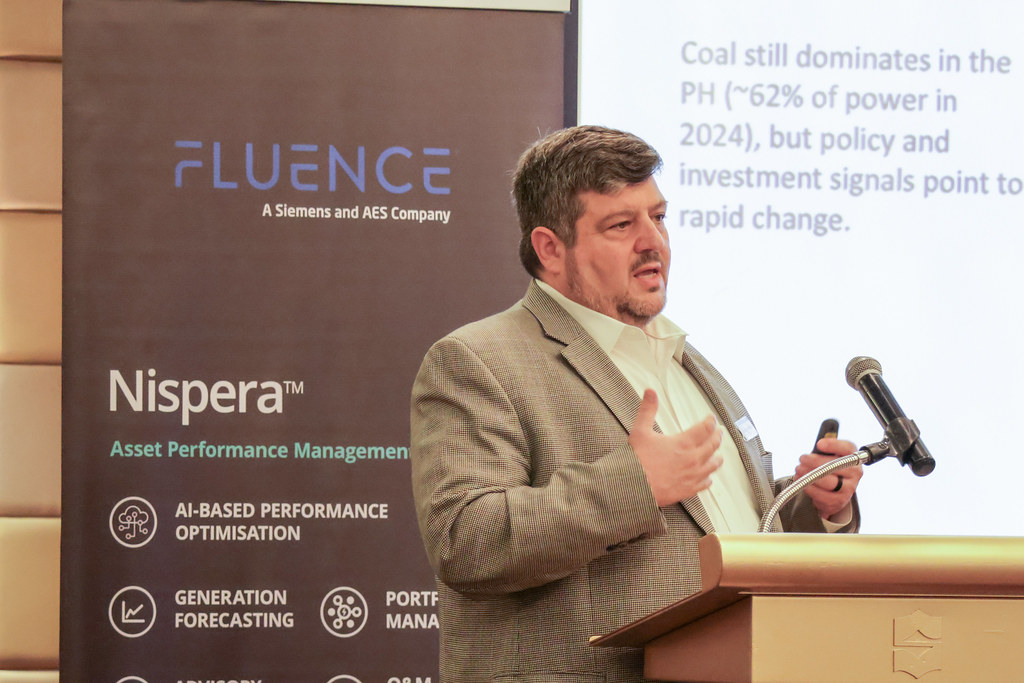
Across markets, renewable energy—particularly solar and wind—has become the cheapest source of new power, driving rapid deployment. But this shift is also displacing traditional thermal plants that once provided stability through physical inertia.
“What they’re being replaced with are completely different kinds of units,” Zahurancik said, referring to inverter-based resources like solar, wind, and batteries.
The result is a grid that is cleaner—but also more volatile.
One of the clearest enablers of this transition is the rapid decline in battery costs. Zahurancik noted that lithium-ion storage has fallen from roughly USD 3,000 per kilowatt-hour in 2008 to about USD 100–USD 200 today.
This cost compression, he said, has expanded the role of storage from niche applications like frequency regulation to broader system functions, including multi-hour energy shifting and capacity support.
Data from Fluence’s presentation reinforces this shift: battery systems are now commonly deployed at four-hour durations globally, with longer-duration systems increasingly being explored as markets evolve.
The speed of deployment is another advantage. While large infrastructure like pumped hydro can take close to a decade to build, battery systems can typically be delivered in about a year, according to Zahurancik.
The discussion centered on a key technological shift: the move from “grid-following” to “grid-forming” battery systems.
Traditional battery systems respond to existing grid conditions. Grid-forming systems, by contrast, can establish and regulate those conditions themselves.
“It’s not really about looking at the network and matching those conditions,” said Rob Hills, Fluence’s APAC Vice President for Engineering and Commissioning. “It’s about saying: what conditions do we want to create—and how do we create them?”
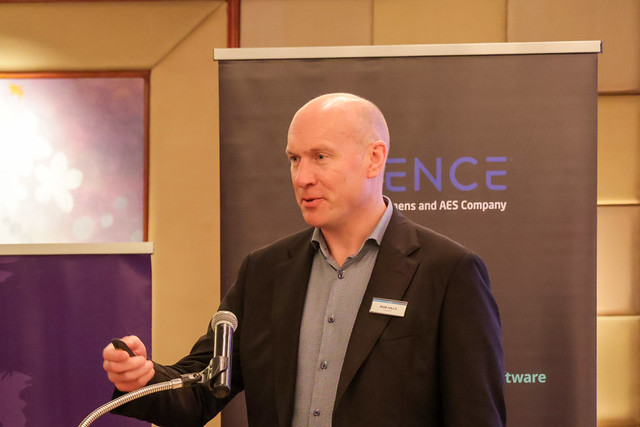
This capability allows batteries to operate even without a stable grid reference—enabling functions such as system restart after blackouts, voltage and frequency control, and synthetic inertia.
Because these systems respond instantly—without the delays inherent in conventional generation—they are particularly suited to managing rapid fluctuations from renewable energy.
The need for such capabilities is especially pronounced in the Philippines.
As an archipelago with fragmented and islanded grids, the country faces structural reliability challenges even before factoring in renewable variability.
At the same time, coal still dominates the energy mix—accounting for around 62% of generation as of 2024, based on figures presented during the briefing.
But this is expected to change. The Philippines is targeting 35% renewable energy by 2030 and 50% by 2040 under its National Renewable Energy Program, a transition that will require more flexible and stabilizing technologies.
Regulators are beginning to respond.
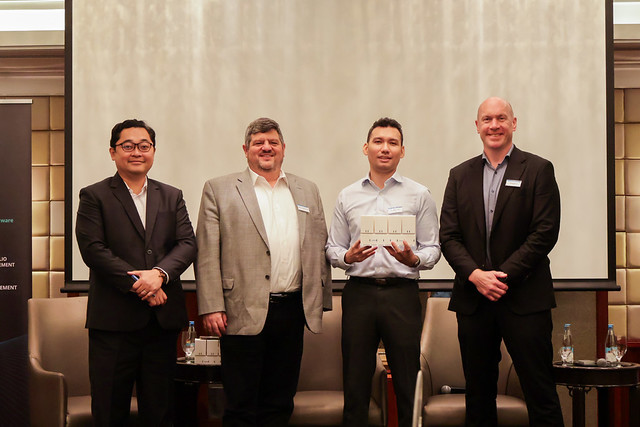
Dennis Lee, Fluence’s Business Development Manager for the Philippines, outlined how policy is evolving to support storage integration.
A Department of Energy circular issued in 2026 now requires battery energy storage systems for variable renewable energy projects of 10 megawatts and above.
Meanwhile, an updated Philippine Grid Code—expected to be finalized in 2026—will introduce more explicit grid-forming requirements.
“One thing is for sure—grid-forming is happening,” Lee said. “It is a requirement by the ERC, by our government, and by our grid operators.”
These requirements include capabilities such as fault ride-through, voltage and frequency regulation, blackstart functionality, and synthetic inertia—functions traditionally provided by large thermal plants.
Examples from other markets illustrate how quickly storage can scale once conditions align.
In California, battery systems supplied as much as 43% of evening peak demand on a single day in March 2026—most of that capacity built within the last five years, according to figures cited by Zahurancik during the forum.
In Australia, meanwhile, renewables have already overtaken coal as the largest source of electricity, with storage playing a growing role in maintaining system stability.
These cases highlight both the opportunity—and the urgency—for the Philippines.
Despite the challenges, speakers emphasized that the Philippines is not behind—but at a critical juncture.
With renewable penetration still in the early stages, the country has the opportunity to integrate grid-forming capabilities proactively, rather than retrofitting them later at higher cost.
Fluence’s presentation noted that grid-forming systems are increasingly being mandated or incentivized globally, suggesting that they will likely become a standard feature of future power systems.
It’s become clear that as renewable energy scales, the ability to actively manage and stabilize the grid will be just as important as generating clean power.
Or as Zahurancik put it during the discussion, the next phase of the transition will require systems that can “create our own stability”—not simply rely on legacy infrastructure.
Is the Philippine energy sector moving fast enough to integrate grid-forming storage—or will policy and market structures slow down adoption at a critical moment? Let’s discuss.
Follow Power Philippines on Facebook and LinkedIn or join our Viber community for more updates.