ICSC flags coal outages as driver of Luzon–Visayas grid alerts
- May 21, 2026
- 0
Forced outages in several coal-fired power plants have tightened available capacity in the Visayas grid and contributed to recent yellow and red alerts in Luzon and Visayas, according to the Institute for Climate and Sustainable Cities (ICSC).
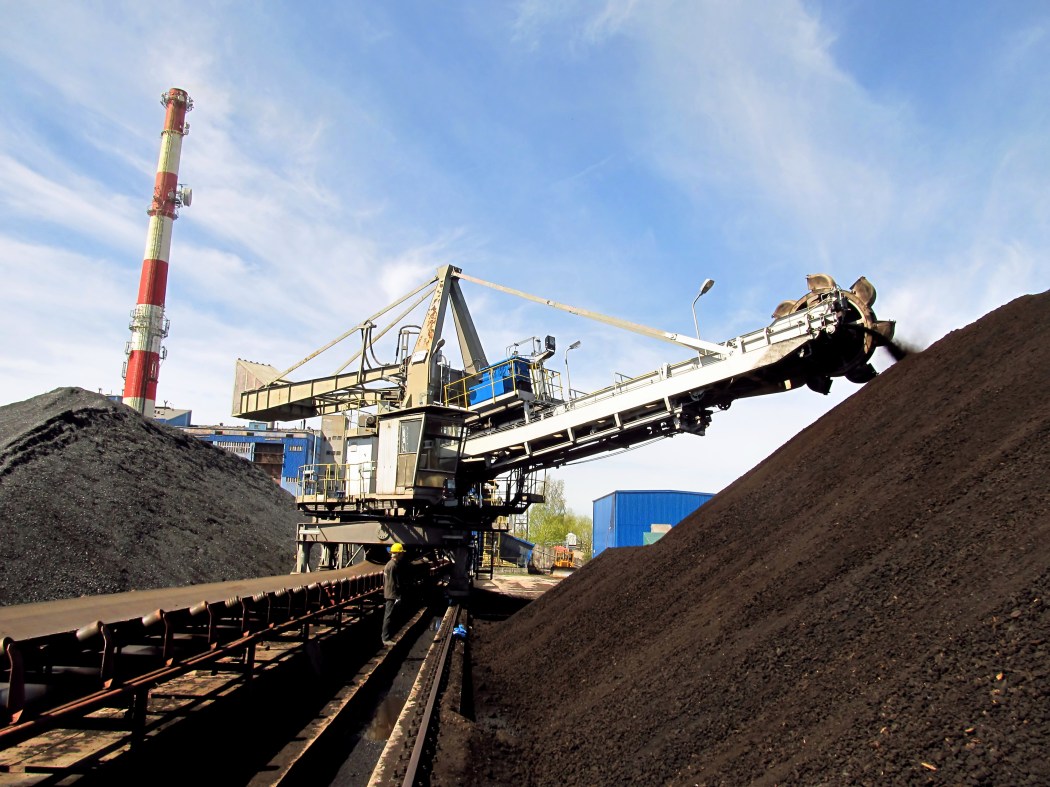
The climate and energy policy think tank said the system stress reflects the impact of prolonged unavailability of multiple large baseload units, with three 150-megawatt plants accounting for more than half of the Visayas’ unavailable capacity.
“The red and yellow alerts raised over the Luzon and Visayas grids over the past week highlight how outages from several large centralized coal plants can quickly strain the Philippine power system and result in power outages across interconnected grids,” ICSC said.

The group noted that baseload plants are not expected to be on outage from April to June under the National Grid Corporation of the Philippines’ (National Grid Corporation of the Philippines) operating plan, but said several units have exceeded allowable outage limits set by the Energy Regulatory Commission (Energy Regulatory Commission).
Among the affected facilities are TVI 1, TVI 2, and PEDC 3, each rated 150MW, which have logged 43 to 91 outage days this year. All three remain on forced outage, with staggered outage start dates from March to May.
ICSC said the three plants account for 52.8% of unavailable capacity in the Visayas grid, amplifying supply tightness in the region.
The group warned that sustained tight reserves increase the risk of rotating outages and broader disruption to economic activity and public services.
It also said recurring instability reflects deeper structural risks in the country’s power system, particularly reliance on centralized generation and constrained transmission capacity.
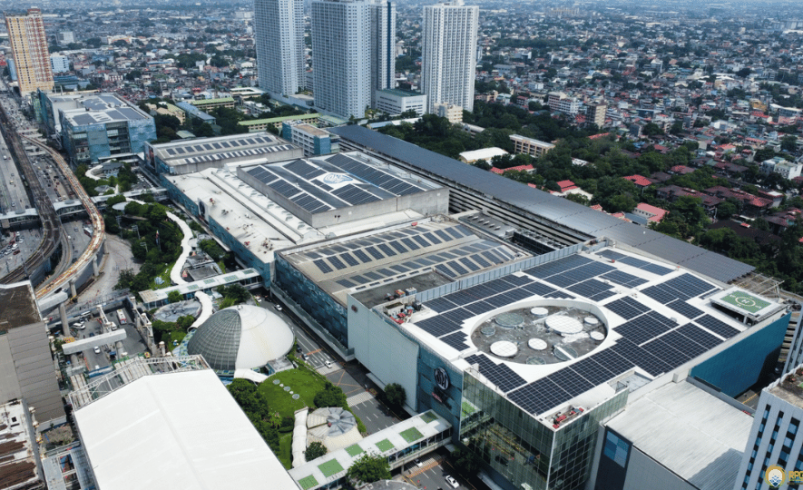
In the near term, ICSC called for faster deployment of distributed energy systems, including rooftop solar and net-metering, to help ease peak demand pressure and improve local resilience.
“Both consumers and government institutions should accelerate the adoption of rooftop solar and net-metering systems to strengthen local energy resilience and reduce dependence on single-point-dependent centralized power infrastructure,” ICSC said.
The group said schools, municipal halls, evacuation centers, and health facilities could serve as resilience hubs during supply disruptions.
It cited Guiuan, Eastern Samar and Paranas, Samar, where rooftop solar installations on municipal buildings helped maintain basic services such as communications and device charging during outages, including after the 6.9-magnitude earthquake that affected the Leyte-Samar grid in September 2025.
ICSC said these cases demonstrate how distributed systems can support essential services when large-scale infrastructure is disrupted.
What does this signal for the reliability of the country’s centralized power system heading into peak demand periods?
Follow Power Philippines on Facebook and LinkedIn or join our Viber community for more news and updates on the Philippine energy sector.