Northern Samar commits to renewable energy roadmap through ICSC-led workshop
- May 5, 2026
- 0
The Provincial Government of Northern Samar has committed to advancing a cleaner, more resilient, and affordable energy system through renewable energy, following a multi-day planning workshop with the Institute for Climate and Sustainable Cities (ICSC).
The initiative, which took place from April 27 to 30, aims to develop a Renewable Energy (RE) roadmap for the province and institutionalize local energy planning as part of broader efforts to support the country’s energy transition.
“This journey towards a just energy transition is about creating an energy landscape that prioritizes our environment, supports our economy, and uplifts our communities more than just shifting away from fossil fuels,” said Governor Harris Christopher Ongchuan.

The workshop brought together members of the provincial Technical Working Group, along with representatives from various local government offices, civil society organizations, and the Northern Samar Electric Cooperative, to identify opportunities and pathways for renewable energy development.
Participants underwent sessions covering the country’s energy policy landscape, renewable energy project structures, financing mechanisms, and permitting processes, including the Energy Virtual One-Stop Shop.
Department of Energy officials also highlighted the critical role of local governments in advancing renewable energy adoption.
“Local governments are not merely implementers of national policy, but key drivers in the transformation,” said Department of Energy Undersecretary Mylene Capongcol, noting that LGUs are in a strong position to lead the transition toward cleaner and more reliable energy systems.
Northern Samar is seen as a key area for renewable energy development due to its strong wind resource potential, both onshore and offshore, as identified under the government’s Competitive Renewable Energy Zones.
The province has already seen growing investment interest, with five renewable energy service contracts awarded in 2025 and a recently announced PHP 7 billion wind power project in Victoria.
However, officials noted that these opportunities must be matched with improvements in grid and transmission infrastructure to support new capacity.
At the same time, the province is exploring decentralized energy solutions such as rooftop solar, microgrids, and hybrid systems to serve island and remote communities.
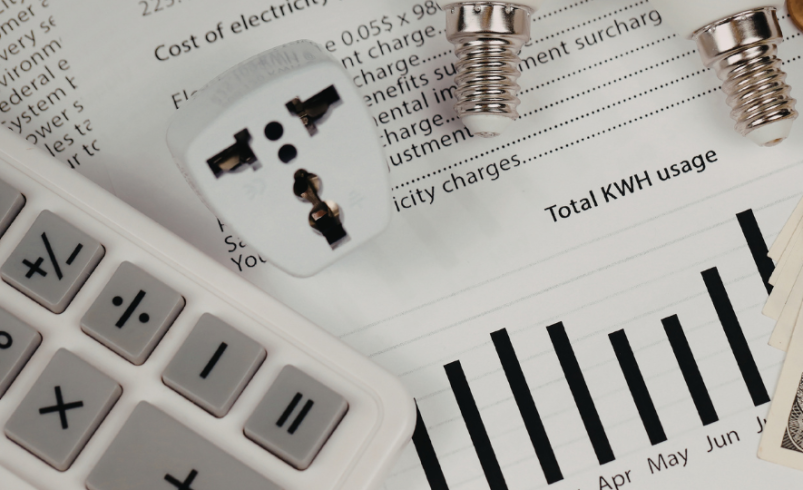
Local initiatives have also begun to yield results, with the provincial government reporting a 40% reduction in electricity consumption following the implementation of energy conservation measures.
“Renewable energy is about resilience in times of crisis, opportunities for local investments and jobs, and sustainable growth that benefits everyone, even the farthest communities of our province,” said Chairperson of the Sangguniang Panlalawigan Committee on Energy, Utilities and Franchises Emil Nicholas Ongchuan II.
The province is expected to build on these efforts as it develops its renewable energy roadmap, positioning Northern Samar as a key player in the country’s transition to cleaner energy.
How crucial are local governments in accelerating the Philippines’ shift to renewable energy?
Follow Power Philippines on Facebook and LinkedIn or join our Viber community for more updates.