Safe and Responsible Solar Adoption Gains Industry-Wide Support
- July 7, 2026
- 0
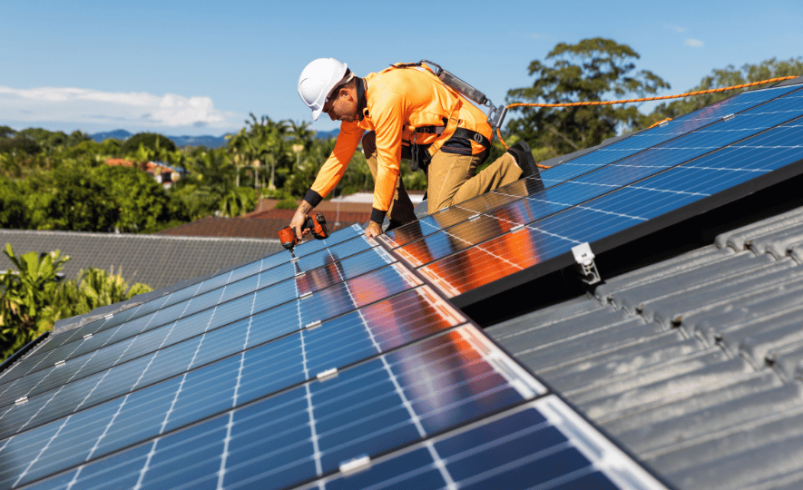
The Philippines’ transition toward cleaner energy has fueled growing interest in rooftop solar among households, businesses, and institutions seeking to manage electricity costs and improve energy resilience.
As solar adoption accelerates, however, regulators, utilities, engineers, consumer advocates, and policymakers are increasingly emphasizing another priority alongside renewable energy growth: ensuring that solar systems are safe, reliable, and installed responsibly.
Stakeholders are now focusing on how to ensure that the equipment being sold, the systems being installed, and the processes being followed can support the sustainable growth of the industry while protecting consumers.

Raising the Bar for Solar Product Quality
One of the most recent significant developments is the Department of Trade and Industry’s (DTI) proposal to require mandatory certification for solar energy products sold in the country.
In a statement released on June 3, the DTI said the proposed regulation seeks to ensure that solar energy systems comply with Philippine National Standards (PNS), protecting consumers from low-quality and potentially unsafe products.
“As more Filipino families, businesses, and communities turn to solar power to lower electricity costs and secure a more stable energy future, it is important that the products entering the Philippine market are safe, reliable, and built to last,” the agency said.
The proposed certification requirement would cover solar photovoltaic (PV) modules or panels, battery energy storage systems (BESS), inverters, charge controllers, and cables used in residential and commercial solar installations.
According to the DTI, the initiative is intended to prevent the entry of substandard products into the local market and avoid the Philippines becoming a destination for solar products rejected in other jurisdictions. The agency said the measure would also give consumers greater confidence that the systems they invest in are durable, properly tested, and capable of delivering long-term value.
The DTI also clarified that the proposed regulation does not cover the installation or mounting of solar energy systems. Instead, it focuses on ensuring that products sold in the Philippines meet recognized quality and safety standards.
The agency’s Bureau of Philippine Standards (BPS) has already begun consultations with manufacturers, importers, industry stakeholders, and other concerned groups as part of the regulatory process.
In an interview with the Philippine Daily Inquirer, Frank Macula, chief of the Electrical and Electronic Products Certification Division of the DTI-BPS, said the proposal was designed to address growing concerns over the quality and safety of solar products entering the Philippine market.
“What we want to see is that the quality of those components for solar should be compliant, so that our consumers can safely use the products they are installing,” Macula said.
He noted that the proposal would complement existing Department of Energy (DOE) requirements governing the accreditation and registration of solar PV installers, which are intended to ensure that solar projects are undertaken by qualified contractors and practitioners.
Safety Beyond the Solar Panel
While discussions around solar energy often focus on equipment and savings, industry stakeholders note that safe adoption also depends on proper installation, compliance with technical standards, and coordination with utilities when systems are connected to the grid.
This issue recently drew public attention after discussions on rooftop solar regulation sparked debate online, with some stakeholders expressing concern that efforts to promote compliance were being interpreted as opposition to solar adoption.
Meralco has since clarified that it supports the continued expansion of rooftop solar and renewable energy, while advocating for installations that comply with existing laws, regulations, and safety standards.
According to Meralco Senior Vice President and Head of Regulatory Management Atty. Jose Ronald R. Valles, the company’s position has consistently been centered on consumer safety and responsible integration of rooftop solar systems.
“As a responsible company pushing for the utilization of this energy resource, Meralco stands firm in its position that rooftop solar installations must comply with the processes and standards required under existing laws and regulations,” Valles said.
“To emphasize, Meralco fully supports every Filipino household that wants to reduce electricity costs through rooftop solar, but public safety is a priority that cannot be compromised.”
Valles also addressed discussions surrounding the term “guerrilla solar,” which emerged during recent public debates on rooftop solar systems.
“For the record, ‘guerrilla solar’ is an industry term referring to unregistered or improperly installed systems that may expose customers, utility personnel, and communities to avoidable risks. That term was not invented by Meralco, nor has it ever been used to attack or discourage rooftop solar adoption,” he said.
According to the utility, improperly installed rooftop solar systems can increase the risk of electrical accidents, fires, equipment malfunction, structural damage, and potential disruptions to the distribution network.
Meralco also pointed to its longstanding support for solar adoption through the implementation of the country’s net-metering program. The company said it energized the Philippines’ first net-metering customer in 2013 and today accounts for more than half of all net-metering installations nationwide.
“Meralco will never seek to restrict nor oppose solar use,” Valles said. “Publicly available information and official records clearly show that the company has consistently enabled the growth of solar adoption in the country.”
A Position Shared Across the Industry
Calls for stronger safeguards in the solar sector are not coming from a single organization.
Consumer advocacy group CitizenWatch Philippines recently reminded consumers that safety should remain a priority when installing rooftop solar systems.
The organization urged households to verify that solar providers employ licensed electrical practitioners and qualified engineers, ensure installations comply with the Philippine Electrical Code and fire safety standards, use certified equipment, install proper electrical protection systems, and secure the necessary permits and approvals.
“While lowering electricity expenses is important, especially amid today’s economic challenges, consumers should never sacrifice safety for short-term savings,” CitizenWatch said. “Clean energy should not only be affordable. It must also be safe, reliable, and responsibly installed.”
Meanwhile, Professional Regulatory Board of Electrical Engineering Chairman Adelino Garcia Jr. emphasized the importance of engaging licensed professionals in solar projects.
“Solar PV systems require licensed and skilled professionals to undertake design, installation and operation and MUST BE COMPLIANT to RA 7920,” Garcia said.
He also urged electrical practitioners to strengthen information and education campaigns on the regulations governing solar PV and battery energy storage systems, noting that these installations involve power generation systems that require permits, engineering design, and technical oversight.
Abra Representative JB Bernos also called for stronger consumer protection measures as solar adoption expands across the country.
“Of course, we fully support this shift to renewable energy, which is friendlier both to our environment and our wallets over the long term as we rely less on non-renewable sources,” he said.
“But the government, in particular the Department of Trade and Industry, the Department of Energy, and Energy Regulatory Commission, must be proactive in going after unscrupulous operators whose only motivation is profit, to the detriment of our consumers,” the congressman added, citing reports involving poor-quality installations, lack of post-installation support, and systems that were not properly registered with authorities.
Building Trust in Solar’s Future
The growing focus on safety and compliance reflects the increasing maturity of the Philippine solar sector.
As more consumers invest in rooftop solar systems, stakeholders across government, industry, professional organizations, and consumer groups appear aligned on a common objective: ensuring that the country’s renewable energy transition is supported by quality equipment, qualified professionals, and responsible installation practices.
The DTI’s proposed certification requirements, existing DOE accreditation rules for installers, and continued calls for compliance with technical standards all point toward a broader effort to strengthen consumer confidence in solar technology.
For a country seeking to accelerate renewable energy adoption, stakeholders say that expanding access to solar and maintaining high standards are not competing goals. Rather, they are complementary objectives that can help ensure the long-term growth, safety, and sustainability of the industry.
What are your thoughts on the proposed standards and the industry’s push for safer solar adoption? Join the discussion.
Follow Power Philippines onFacebook and LinkedIn or join our Viber community for more news and updates on the Philippine energy sector.