Hybrid microgrid set for Burdeos, Quezon under DOE program
- February 18, 2026
- 0
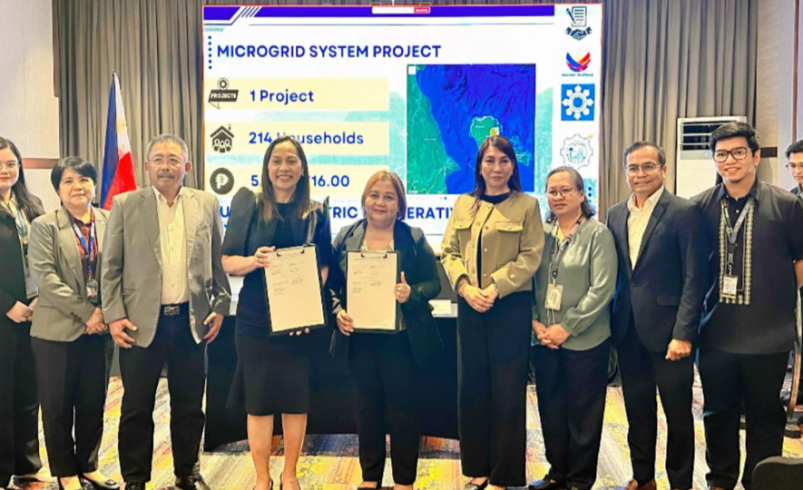
The Department of Energy (DOE) is moving to fast-track off-grid electrification in Quezon province with a PHP 52-million hybrid microgrid project aimed at delivering 24/7 electricity to an island barangay without reliable power.
The planned system will combine a 120-kilowatt solar photovoltaic installation, a 100-kilowatt-hour battery energy storage system, and two diesel generator units with minimum capacities of 50 kilowatts each. Linked to a centralized distribution facility, the microgrid is designed for parallel operation and to maintain efficiency even under partial load conditions.
In a media release on Tuesday, the DOE said it is partnering with Quezon II Electric Cooperative, Inc. (QUEZELCO II) to develop a microgrid system in Barangay Cabungalunan, Burdeos, Quezon. The project forms part of the government’s total electrification push under Republic Act No. 11646, or the Microgrid Systems Act.

Funded through the DOE’s Locally Funded Project–Total Electrification Program (LFP-TEP) for fiscal year 2025, the project carries an approved budget for the contract of about PHP 52 million.
In its initial phase, the hybrid microgrid is expected to provide round-the-clock electricity to at least 214 households. The system is designed with expansion capacity for up to 20 years, aligning with the government’s long-term electrification targets.
The DOE said the project responds to the directive of President Ferdinand Marcos Jr. to electrify remaining unserved areas nationwide. The agency added it is coordinating with stakeholders, including private proponents, to accelerate off-grid electrification through microgrids and other solutions consistent with total electrification and clean energy goals.
Construction and installation were awarded through a competitive procurement process to Trademaster Resources Corporation. The project is scheduled for completion within 18 months, with target commissioning by April 2027.
The DOE said the hybrid configuration will deliver a balanced energy mix intended to improve system reliability while reducing dependence on diesel fuel, supporting the transition to cleaner and more resilient power systems in unserved and underserved areas.
“This project underscores the government’s commitment to operationalizing the Microgrid Systems Act through concrete infrastructure investments. By deploying hybrid microgrid systems, we will be able to deliver reliable, affordable, and sustainable electricity to communities that have long remained underserved,” said Energy Secretary Sharon Garin.
“While most of the areas are to be offered to private sector, the government in parallel will support areas where there is least interest because of viability. These initiatives demonstrate how policy reforms are translated into tangible benefits for Filipino households,” she added.
According to the DOE, the QUEZELCO II Hybrid Microgrid System is expected to spur socio-economic activity in Barangay Cabungalunan by enabling productive uses of electricity, improving access to essential services, and strengthening local livelihoods.
What implications do you see for private microgrid developers, electric cooperatives, and investors as the DOE ramps up hybrid systems in off-grid areas?
Follow Power Philippines on Facebook and LinkedIn or join our Viber community for more updates.