New DOE circular categorizes power resources to strengthen grid reliability
- February 23, 2026
- 0

The Department of Energy (DOE) has issued a Department Circular establishing a load-based categorization of power generation resources to guide the country’s energy companies and strengthen system reliability.
Under DC2026-02-0005, the policy sets a framework for classifying energy resources to enhance the sufficiency of generation and ensure both the adequacy and reliability of electric power supply across the grid and distribution systems.
The circular groups system requirements into three load categories: baseload, mid-merit, and peaking.

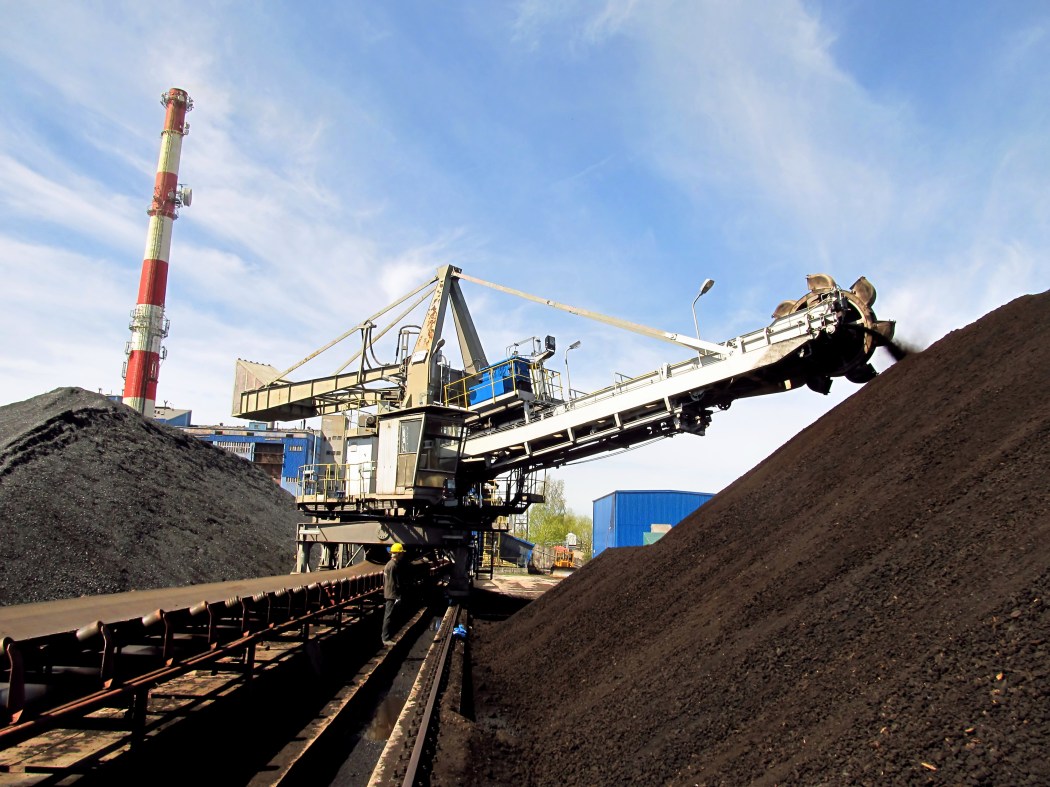
Baseload refers to the continuous and minimum amount of electric power delivered or required to run steadily. Technologies listed under this category include nuclear, new and emerging technologies capable of providing baseload requirements, coal co-firing, and conventional coal.
Mid-merit covers the variable portion of demand between baseload and peaking requirements, occurring for a significant number of hours annually. It includes hybrid renewable energy systems; gas-fired power plants using indigenous natural gas, blended natural gas, and non-indigenous natural gas; hydro; other highly flexible power plants; and medium- to long-duration energy storage technologies.
Peaking refers to the highest levels of demand occurring for relatively short durations, typically a few hundred hours annually. Technologies under this category include fast-start renewable energy technologies, short-duration energy storage systems, and fast-start conventional technologies.
“Reliability is non-negotiable, even as we accelerate the energy transition,” said Energy Secretary Sharon S. Garin. “This policy provides a systematic approach for matching the right technologies to the right system needs – baseload, mid-merit, and peaking, so that electricity remains secure and affordable while we increase renewable energy integration and reduce dependence on imported fuels.”
For consumers, the categorization clarifies that different types of power plants serve distinct roles in keeping electricity stable. Some plants run continuously to meet minimum demand, others adjust output throughout the day, and some operate only during sudden spikes in consumption.
As more variable renewable energy enters the grid, clearer definitions of these roles can help improve planning consistency, reduce operational risk, and ensure the system has enough flexibility and fast-response capability to maintain stability.
The DOE said Distribution Utilities (DUs) shall consider the load categorization in their Distribution Development Plans and Power Supply Procurement Plans to ensure procurement decisions reflect system requirements for adequacy, flexibility, and reliability.
Generation companies and energy resource developers were also encouraged to align proposed power projects with generation mix requirements and to take the load categories into account in project planning, development timelines, and technology selection.
As the country continues integrating more renewable energy into the grid, how will this clearer load-based framework shape future power procurement and generation investments?
Follow Power Philippines on Facebook and LinkedIn or join our Viber community for more updates.