Philippines moves to cap power prices as LNG costs spike
- March 15, 2026
- 0

The Philippine government is preparing to intervene in the electricity market to curb rising power bills, Energy Secretary Sharon Garin told Reuters on Friday, as surging liquefied natural gas (LNG) prices threaten to drive tariffs higher.
Shipping disruptions in the Gulf and the Strait of Hormuz, alongside a temporary production halt in Qatar—responsible for about a fifth of global LNG supply—have pushed LNG costs to their highest levels since 2022. Garin warned that without action, Philippine power prices could rise by up to 16% as early as next month.
“The basic idea is to ramp down liquefied natural gas and ramp up coal and renewables,” Garin said, noting that coal-fired plants can quickly replace LNG in supplying the grid.

To support consumers, the government is seeking emergency powers to regulate electricity prices, a move that could be implemented as soon as next week. “Because the cost of living will increase, we are trying to do some temporary relief,” Garin added.
Earlier this week, the Secretary cautioned that other options such as removing the fuel excise tax would offer only limited, short-term relief. The government could forgo about PHP 300 billion in revenue if fuel levy were to be cut, Garin noted.
These interventions form part of a broader strategy to stabilize the grid. The Energy Department is also accelerating renewable energy connections and rescheduling plant maintenance to optimize supply.
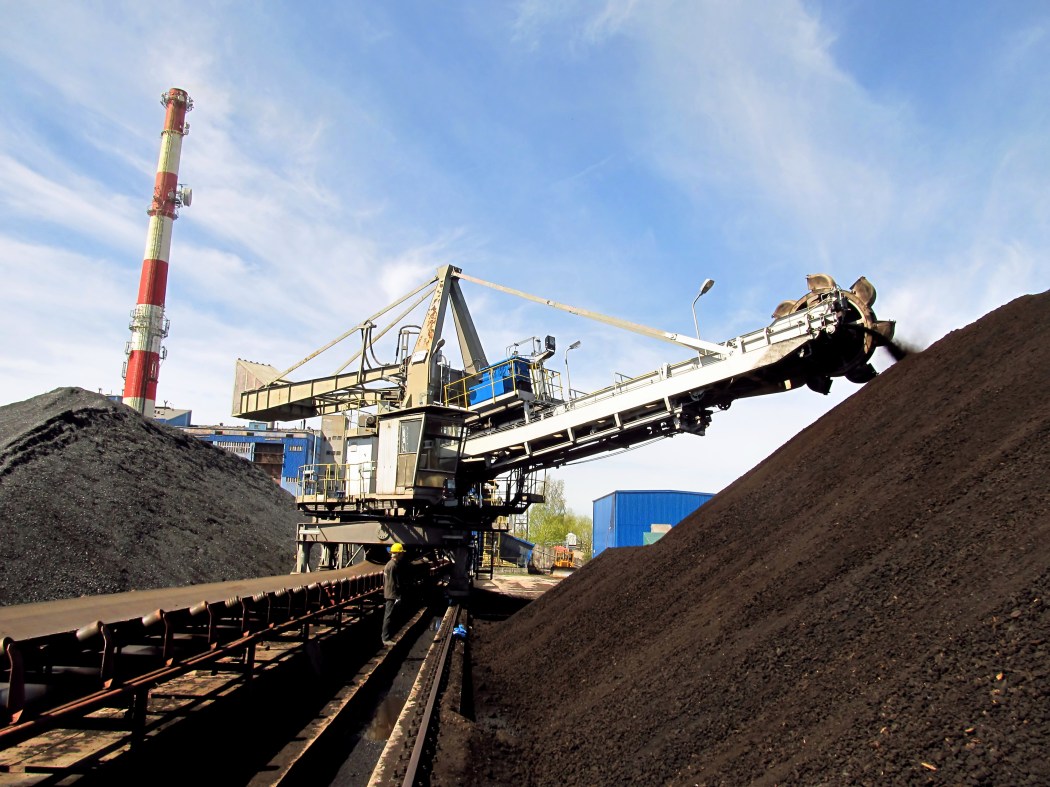
At the same time, the government plans to ramp up coal-fired generation to offset reliance on LNG, reversing last year’s first decline in coal output in nearly two decades. The move underscores Asia’s vulnerability to volatile LNG supplies and the Philippines’ exposure to global energy market shocks.
The Philippines is one of the few markets in Asia where power prices are largely unregulated, and tariffs in the archipelago, home to over 100 million people, are already the second-highest in the region behind Singapore. “With the exaggerated increase in fuel transportation costs, there’s a multiplier effect,” Garin said.
Some market rules may be temporarily suspended to implement the relief, with distribution utilities offering to increase coal-fired generation in place of LNG. “We’ll intervene in the market, or whatever is allowed by law, especially for Meralco, which is the biggest distribution utility we have,” Garin said.
Meralco confirmed it is backing the Department of Energy’s measures, has sufficient contracted coal, and is coordinating with power suppliers to help limit generation charges. Meanwhile, the government is in talks with First Gas Power to redirect any unused domestic gas to LNG-fired plants.
How should Philippine policymakers balance short-term price relief with long-term energy transition goals in light of these global LNG disruptions?
Follow Power Philippines on Facebook and LinkedIn or join our Viber community for more updates.