Offshore wind could create 239,000 jobs, boost PH economy by PHP 77B –GWEC
- March 18, 2026
- 0
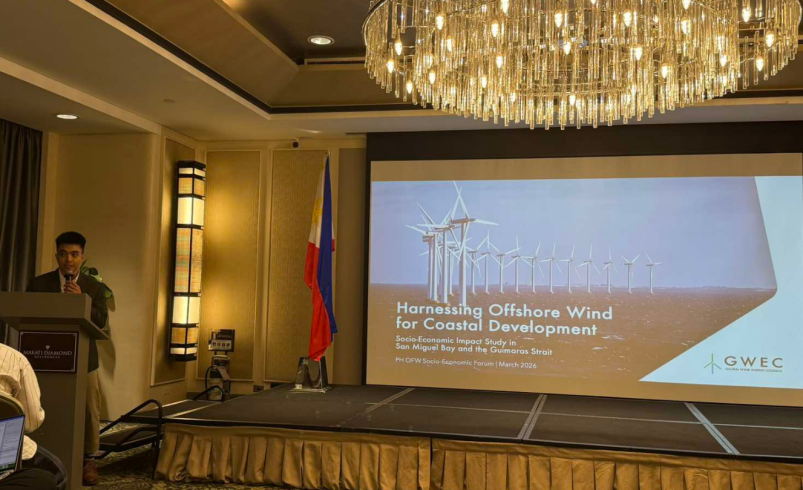
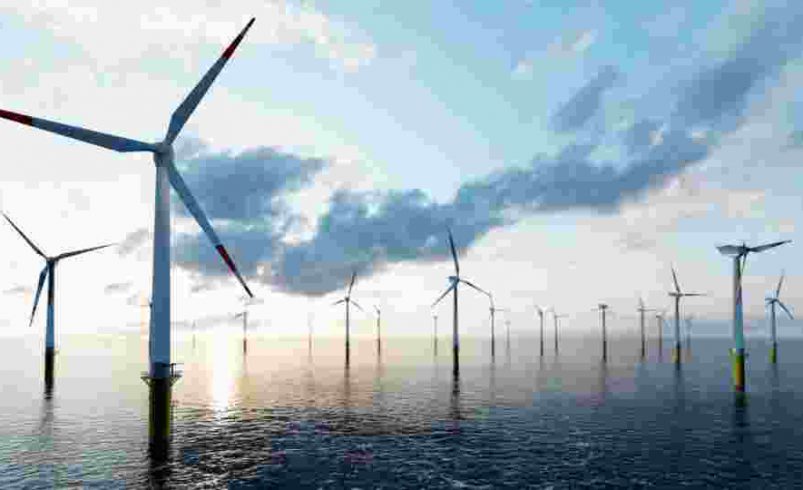
According to a new report launched by the Global Wind Energy Council (GWEC), offshore wind development can provide more than just energy supply to the Philippines, particularly its coastal communities. The developments can also lead to creating jobs, supporting livelihoods, and driving local economic growth.
The report, “Offshore Wind for Coastal Development: Socio-Economic Impact Study,” was presented during the Philippine Offshore Wind Socio-Economic Forum held on March 17 in Makati.
It estimates that offshore wind could contribute around PHP 72 billion to PHP 77 billion annually to the economy and also generate up to 223,000 to 239,000 jobs each year, alongside PHP 37 billion to PHP 40 billion in annual labor income.

During the presentation, GWEC Senior Policy Officer Jigs Consolacion said the study was designed to answer a key question: how offshore wind can deliver tangible benefits beyond energy supply.
“As we all know… more than energy security, more than stable prices, how can offshore wind actually improve the lives of the common Filipino person?” he said.
The study highlights that the benefits of offshore wind extend beyond the power sector, with much of the economic impact expected to come from indirect and induced activities.
These include spending and business activity in sectors such as agriculture, fisheries, retail, manufacturing, and construction, particularly in host communities.
“Benefit sharing is supposed to be a holistic exercise to benefit the whole community… as we move forward with this new technology here in the Philippines,” Consolacion said.
The report defines benefit sharing as a framework that goes beyond compensation. It emphasizes early engagement with communities, clear governance structures, and capacity building for local stakeholders.
It outlines several mechanisms that can help ensure communities benefit from offshore wind projects, including local hiring and training, community development funds, infrastructure investments, and shared ownership models.
A key recommendation of the study is that these efforts should begin early in the project lifecycle.
“Realization of benefit sharing should not start during construction… it should start during pre-development,” Consolacion said, noting the importance of early engagement with local governments, fisherfolk, and other stakeholders.
Government officials also emphasized the need to balance development with environmental protection.
“The Environmental Impact Assessment… and the Environmental Compliance Certificate are not bureaucratic obstacles. They are essential safeguards that help ensure that investments move forward responsibly,” said Department of Environment and Natural Resources (DENR) official Jacqueline Caancan.
She added that offshore wind development plays a role in advancing a “blue and green economy,” supporting both economic growth and environmental sustainability.
The DENR also shared updates on its regulatory framework for offshore wind, including interim guidelines for environmental compliance and an upcoming enhanced policy that will cover all stages of project development.
To date, 12 pre-development environmental compliance certificates (ECCs) have been issued for offshore wind projects across various parts of the country.
The study also drew lessons from international markets such as Japan, China, the United Kingdom, and Taiwan, highlighting the importance of community engagement, local industry development, and clear policy frameworks.
How can offshore wind projects be designed to ensure coastal communities truly benefit from the country’s energy transition?
Follow Power Philippines on Facebook and LinkedIn or join our Viber community for more updates.