PH focus shifts to grid, ports as 68 GW offshore wind pipeline builds
- April 2, 2026
- 0
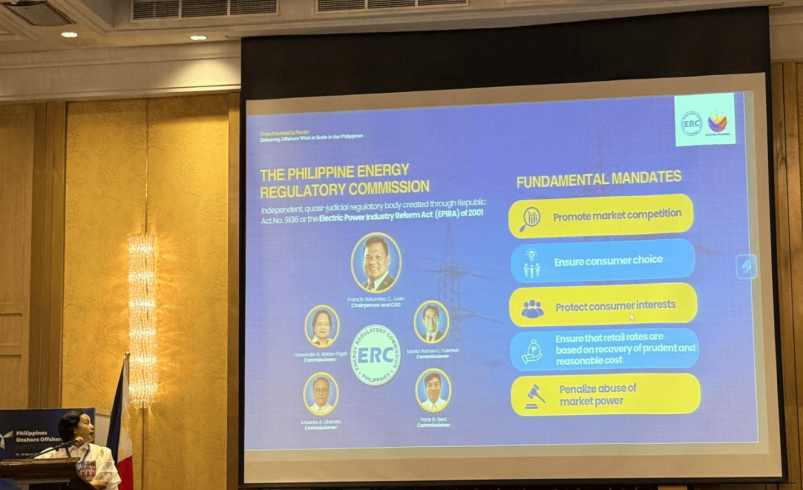
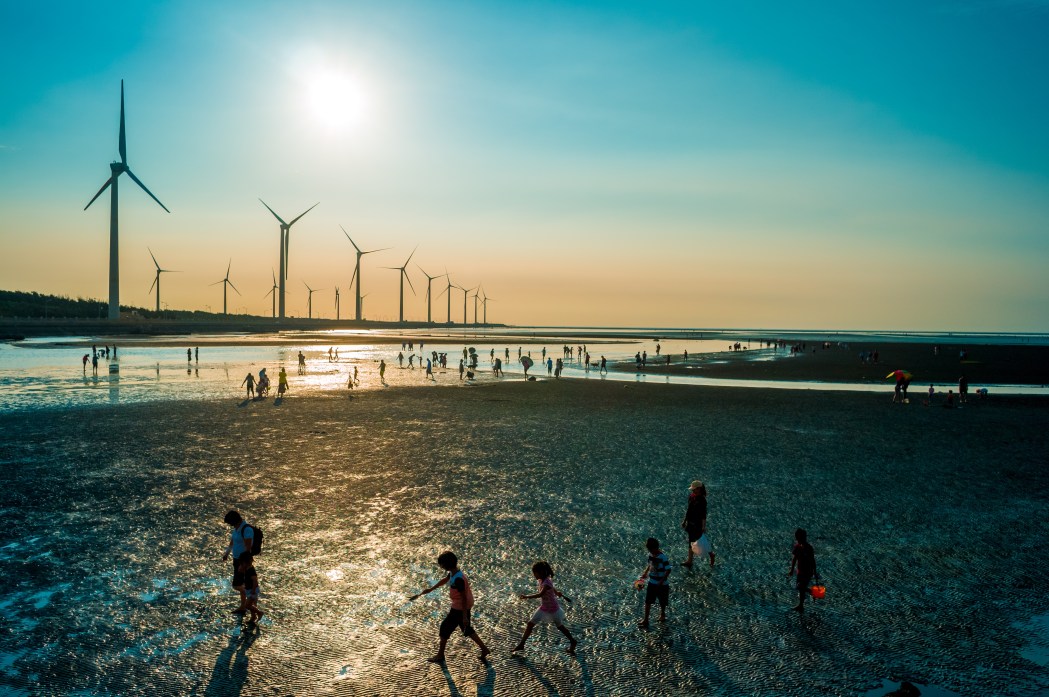
The Philippines’ offshore wind pipeline has reached over 68 gigawatts (GW) across 90 service contracts, signaling strong investor interest—but officials say the sector’s main challenge has shifted to execution, particularly grid and port readiness.
Speaking at the 4th Philippines Onshore Offshore Wind Summit, the Energy Regulatory Commission (ERC) said the country is moving from resource potential to an investable market, with 90 offshore wind bidders representing over 68,000 megawatts of capacity.
“Offshore wind is no longer just an emerging opportunity. It is fast becoming a national priority,” said ERC Executive Director III Atty. Nancy Aurora Q. Fajardo.

She added that while the scale of the pipeline is significant, most projects remain in the pre-development stage, shifting the focus toward actual delivery. “Scale is no longer the question. Execution is.”
To support project viability, the ERC has introduced a ceiling price of PHP 11 per kilowatt-hour, providing a pricing signal aimed at balancing investor confidence and consumer affordability.
Officials said the pricing framework is intended to anchor investment decisions and ensure offshore wind projects remain bankable amidst evolving market conditions.
The Department of Energy (DOE) emphasized the role of wind energy in achieving the country’s renewable energy targets of 35% by 2030 and over 50% by 2040, with offshore wind, in particular, expected to play a significant role in the energy mix.
DOE Undersecretary Giovanni Carlo J. Bacordo said the Philippines has already established a strong pipeline, with offshore wind service contracts representing around 68.5 gigawatts of potential capacity, although projects remain in early development stages.
However, he emphasized that infrastructure readiness will be critical to moving projects forward.
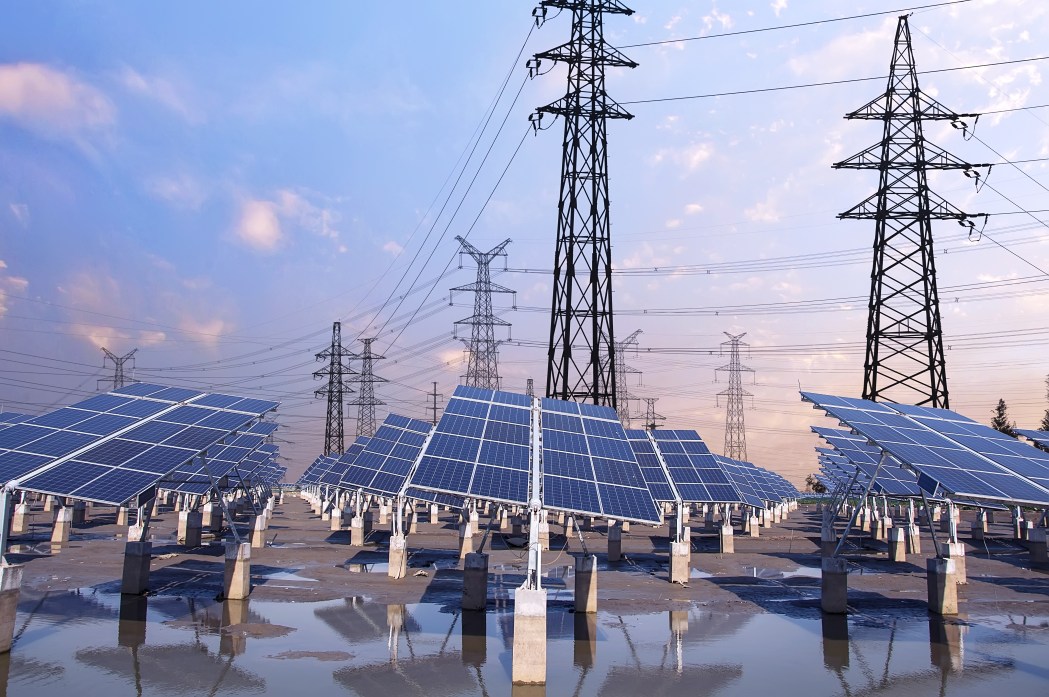
“No offshore wind industry can succeed without transmission readiness,” Bacordo said, noting the need for subsea transmission corridors, offshore substations, and strengthened onshore grids.
He also pointed to port infrastructure as a key constraint, saying, “Without port readiness, offshore wind cannot move from paper to power.”
The DOE said it is coordinating with the National Grid Corporation of the Philippines and the Philippine Ports Authority to ensure that transmission and port development align with offshore wind deployment timelines.
Through the government’s offshore wind auction under the Green Energy Auction Program, the Philippines is targeting 3,300 megawatts of capacity for delivery between 2028 and 2030, marking a shift from policy development to actual project implementation.
International partners also expressed support for the country’s offshore wind ambitions, with Australia and Denmark highlighting ongoing cooperation in technical capacity building, financing, and regulatory development.
Officials said sustained policy direction and long-term regulatory stability will be essential to maintaining investor confidence as the sector moves forward.
As offshore wind moves from pipeline to implementation, can the Philippines align policy, infrastructure, and investment fast enough to deliver projects at scale?
Follow Power Philippines on Facebook and LinkedIn or join our Viber community for more updates.