Renewable projects need more than engineering as Philippine energy market scales up
- April 10, 2026
- 0
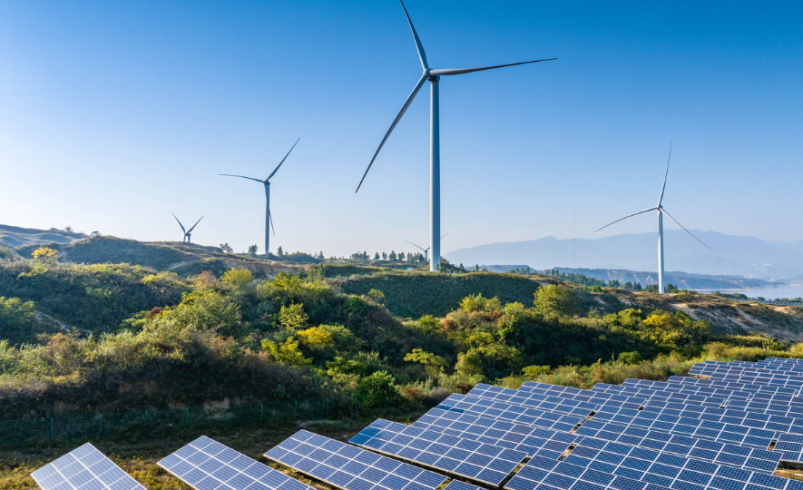
The Philippines’ renewable energy sector is entering a decisive stage.
Government targets are accelerating project development. Green Energy Auction rounds continue to unlock new capacity. Local and international investors are pouring capital into solar, wind, and battery energy storage.
Projects are moving forward faster than ever.

Yet many developers and lenders are discovering that speed alone does not guarantee success.
As projects scale up, technical complexity is emerging as one of the sector’s biggest risks. In many cases, it is no longer permitting or financing that delays projects—it is engineering coordination, grid integration, and operational readiness.
Large-scale renewable projects today are more geographically dispersed and tightly financed than previous generations. Developers must manage grid constraints, EPC coordination, compressed construction schedules, and strict long-term performance guarantees.
These challenges have exposed a gap in how projects are supported technically.
Traditional engineering support, often delivered in isolated stages of a project, is proving insufficient for the demands of modern renewable development. Increasingly, developers are looking for integrated technical support that spans the entire project lifecycle.
The shift reflects a broader realization within the industry.
Renewable projects no longer succeed simply by reaching financial close or commercial operations. Long-term performance, operational reliability, and asset value now matter just as much.
Managing risk from development to operations
Many renewable developers in the Philippines operate with lean internal teams.
This structure allows companies to move quickly and pursue multiple projects simultaneously. But it also increases exposure to technical risks, especially during the transition from development to construction and into plant operations.
Several recurring challenges have begun to surface across the market.
Technical assumptions made during early feasibility studies may not match real site conditions. EPC designs sometimes require adjustments during construction. Commissioning delays can emerge late in project schedules. Even after commercial operations begin, plants may face performance gaps that affect output and revenue.
For project lenders, these risks translate directly into concerns about bankability, downside exposure, and long-term asset performance.
As a result, technical advisory services are evolving.
Rather than focusing only on documentation or compliance checks, technical advisors are increasingly supporting developers, investors, and lenders throughout the full lifecycle of a project—from feasibility and financing to construction oversight and operational management.
A global technical advisor expands in the Philippines
Vector Renewables is among the companies positioning itself to meet this growing demand for integrated technical expertise.
The firm supports independent power producers, developers, investors, and lenders with services that cover the full renewable energy project lifecycle.
Globally, the company has accumulated more than two decades of experience in the sector. Its track record includes over 275 gigawatts of technical advisory work and roughly 6 gigawatts of renewable assets under management worldwide.
Vector Renewables has now established a dedicated presence in the Philippines to address the country’s specific technical and operational realities.
Its core services include:
• Technical Advisory (TA) for early-stage and development-phase projects
• Lender’s Technical Advisory (LTA) and technical due diligence for project financing
• Owner’s Engineering (OE) during construction, testing, and commissioning
• Technical Asset Management (TAM) for operating solar, wind, and battery assets
• NUO, a digital platform for asset performance monitoring and management
This integrated approach allows project risks to be identified early, managed during construction, and monitored continuously once assets begin operating.
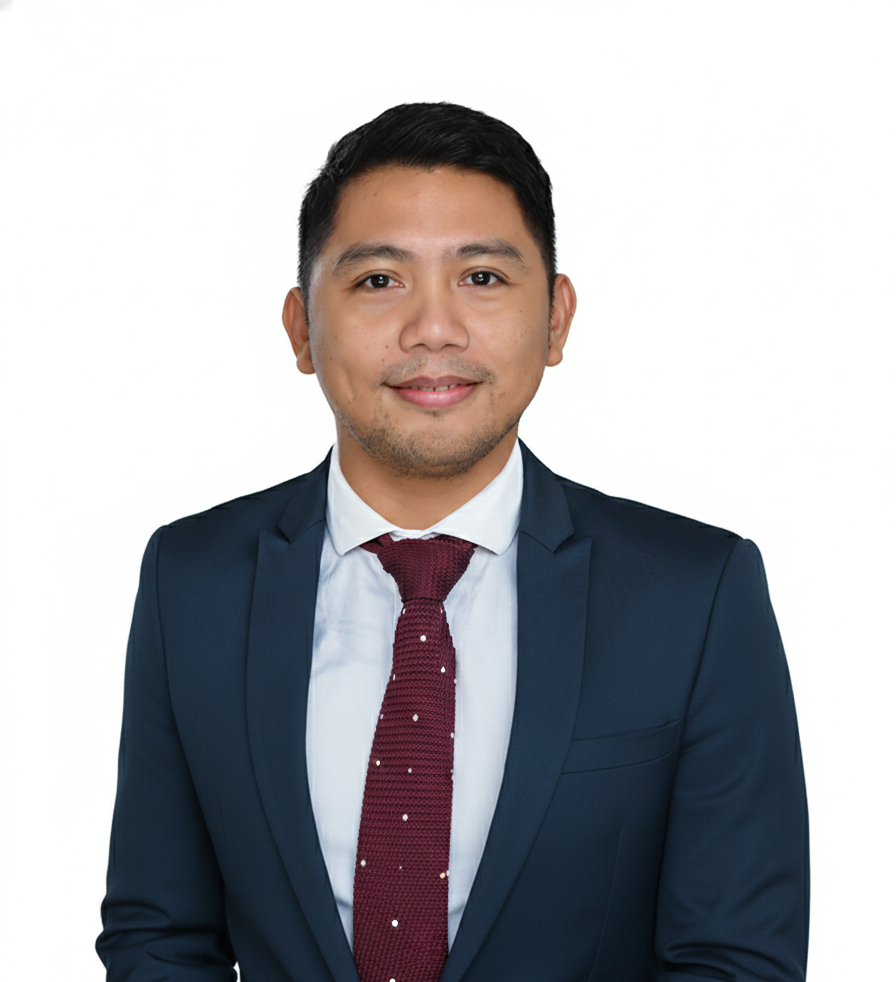
According to Geofrey Galima, Senior Business Development at Vector Renewables, the Philippine market is already showing signs of this shift.
“In the Philippines, we’re seeing developers and lenders place much greater emphasis on long-term performance and risk visibility. Projects don’t end at COD anymore, that’s where many of the real challenges begin. Our role is to help clients manage those risks from day one, using both technical expertise and data.”
Digitalization is becoming essential
As renewable portfolios expand, traditional asset monitoring tools are struggling to keep up.
Many operators still rely on fragmented reporting systems or manual data tracking. This approach can limit visibility into plant performance and operational risks.
In a country like the Philippines, where renewable projects are spread across islands and diverse site conditions, real-time operational data is becoming critical.
Asset owners increasingly need visibility into performance metrics such as availability, contract compliance, and operational reliability.
Vector Renewables addresses this through NUO, a cloud-based digital platform designed to monitor renewable energy assets.
Originally developed to support the company’s internal asset management operations, NUO is now offered as a Software-as-a-Service solution for asset owners managing renewable portfolios.
The platform integrates performance data, operational metrics, and financial indicators into a single dashboard. Automation and advanced analytics allow operators to identify emerging issues earlier and make faster decisions.
For more information visit https://www.vectorenewables.com/en/nuo-asset-management-platform
For lenders, this kind of transparency can improve confidence throughout the loan period.
For asset owners, it can help maximize plant availability and protect long-term returns.
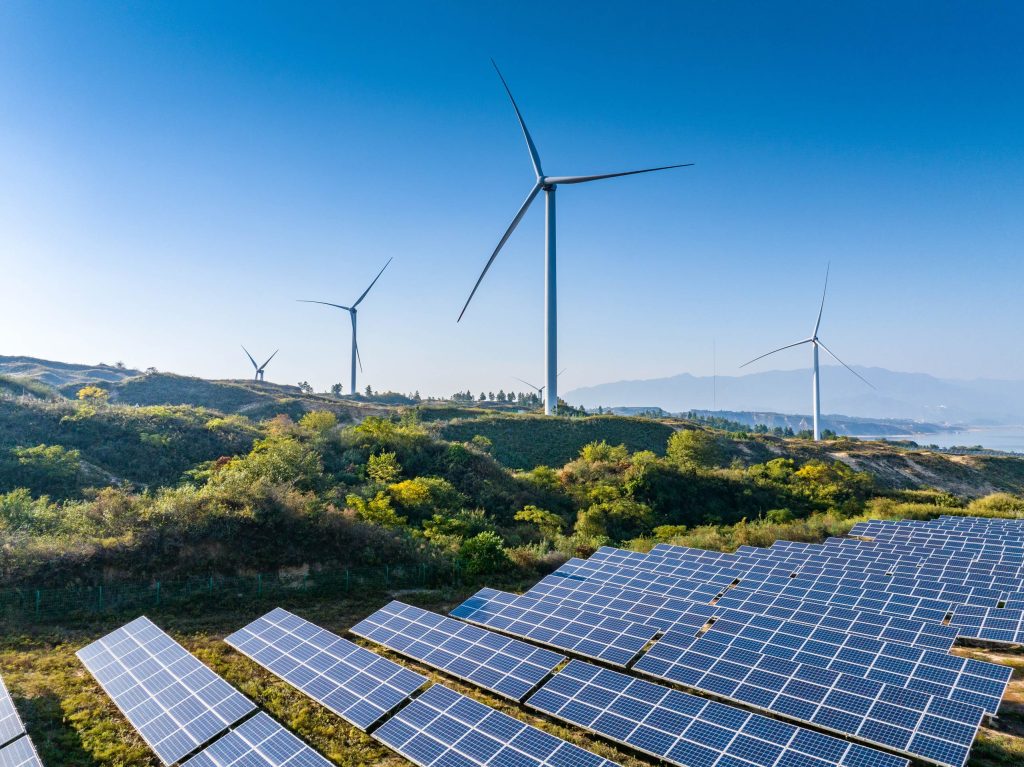
Supporting the energy transition
The Philippines is pushing aggressively to expand renewable capacity.
New solar farms, wind projects, and battery systems are entering development pipelines across the country. Financing structures are becoming more complex, and project timelines continue to compress.
In this environment, technical expertise is becoming increasingly important.
Project developers must coordinate engineering, finance, construction, and operations more closely than ever before.
Companies that combine global experience with local knowledge may play a growing role in helping projects navigate these challenges.
Vector Renewables is positioning itself as one of those partners in the Philippine market.
Its approach focuses on supporting projects not only during development and construction, but throughout the operational life of the asset.
Because the energy transition is no longer only about adding renewable capacity.
It is about building projects that remain reliable, bankable, and high-performing over the long term.
Follow Power Philippines on Facebook and LinkedIn or join our Viber community for more updates.