PH suspends LPG, kerosene excise taxes
- April 13, 2026
- 0
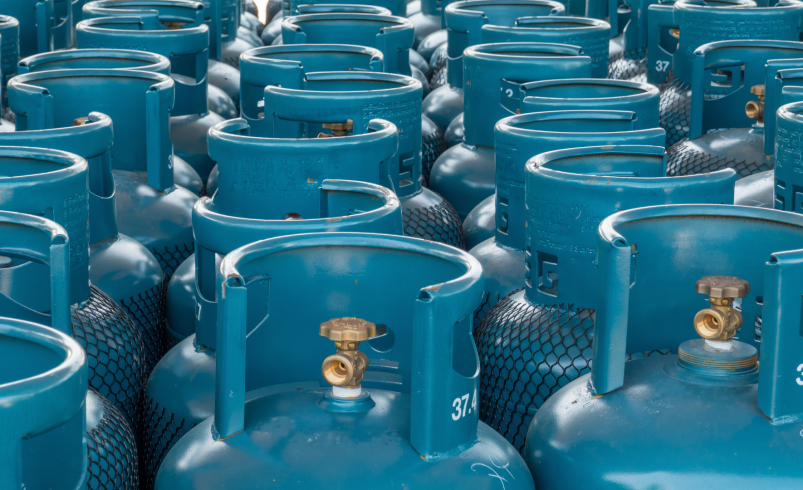
President Ferdinand Marcos Jr. on Monday ordered the suspension of excise taxes on liquefied petroleum gas (LPG) and kerosene, marking the first concrete fiscal intervention as the government moves to cushion the impact of the ongoing global oil crisis.
“Sa ilalim ng kapangyarihan na ibinigay sa atin ng batas, tinanggal ko na ang excise tax sa LPG at sa kerosene,” Marcos said during a press briefing, ABS-CBN news reports.
The move translates to immediate price relief for consumers.

“Ang katumbas nito ay PHP 3.36 ang bawas ng kada kilo ng LPG, halos PHP 37 sa isang tangke ang mababawas na presyo… At PHP 5.60 kada litro ng kerosene,” he added.
The suspension comes as the administration intensifies efforts to “alleviate and try to mitigate the effects of the oil crisis,” following sustained volatility in global crude markets linked to geopolitical tensions in the Middle East and disruptions in key shipping routes.
Under Republic Act No. 12316, the President is authorized to reduce or suspend excise taxes on petroleum products upon recommendation of the Development Budget Coordination Committee once the average Dubai crude price reaches at least USD 80 per barrel for one month.
The law also sets that excise taxes will automatically revert to their original rates one week after the monthly average falls below the threshold, or after three months—whichever comes first.
No similar relief has been extended to transport fuels such as diesel and gasoline.
Malacañang Palace also earlier clarified that while excise taxes may be adjusted under existing law, the President has no authority to suspend or reduce the value-added tax (VAT) on fuel without congressional action, limiting the scope of immediate fiscal intervention on major transport cost drivers.
The suspension underscores the government’s calibrated approach—balancing consumer relief with revenue protection—as broader tax adjustments continue to be evaluated by economic managers.
Will targeted tax suspensions be enough, or should the government extend excise cuts to diesel and gasoline? Share your assessment of the policy’s impact on the broader energy sector.
Follow Power Philippines on Facebook and LinkedIn or join our Viber community for more updates.