Rep. Arthur Yap proposes long-term financing to cushion fuel price spikes
- April 13, 2026
- 0
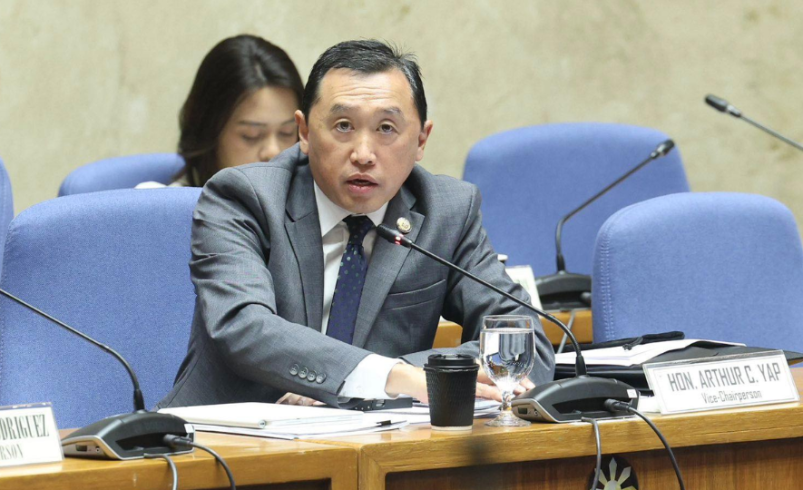
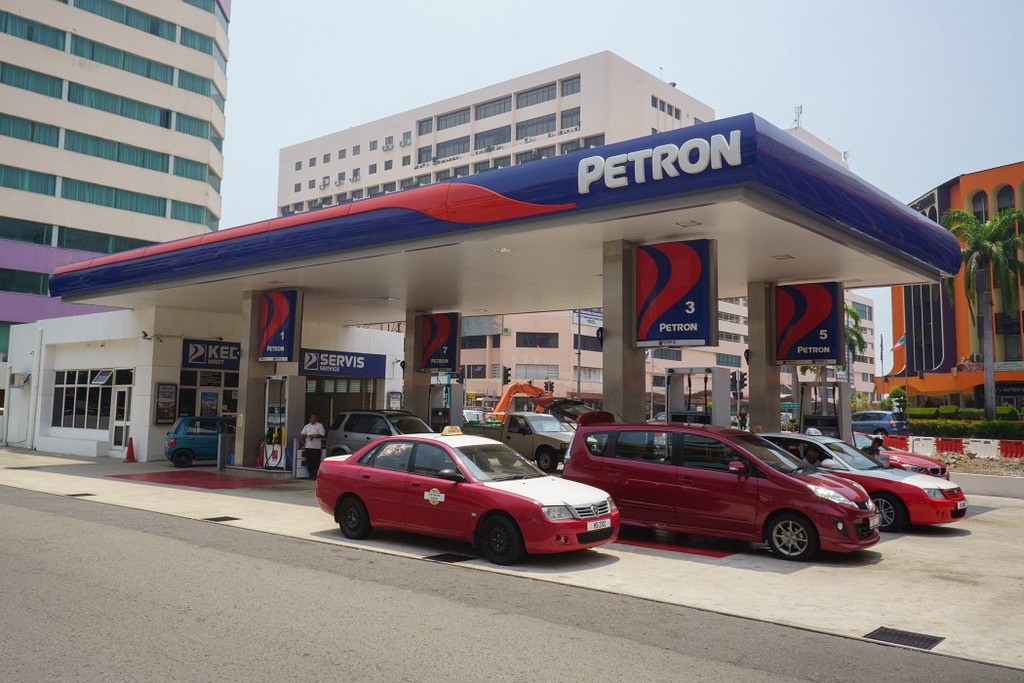
Lawmakers are exploring bank-led financing as a buffer against volatile fuel prices, after industry players confirmed that recent pump hikes were applied immediately—even to lower-cost inventory—under the replacement cost pricing mechanism discussed in Congress’ ongoing energy probe.
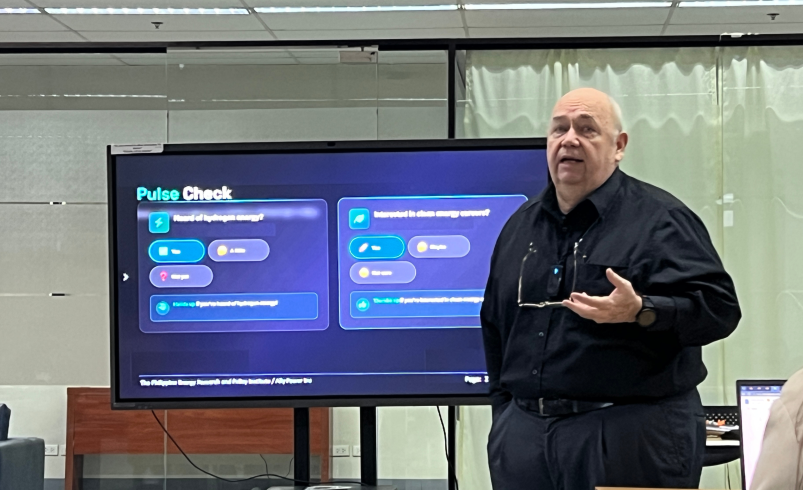
During Monday’s briefing of the Legislative Energy Action and Development (LEAD) Joint Committee, officials and stakeholders outlined how replacement cost pricing allows oil firms to price fuel based on current market costs to ensure continuous supply replenishment. The mechanism, however, has drawn scrutiny for accelerating the pass-through of global price shocks to consumers.
In response, Murang Kuryente Party-list Rep. Arthur Yap proposed tapping state-run lenders like the Land Bank of the Philippines and the Development Bank of the Philippines to extend long-term loan facilities to oil companies, allowing them to spread procurement costs over time instead of immediately passing on increases.

“Hindi naman kailangan na pondo lang nila—maaaring syndicated loan from the banking sector. Long-term loan po. Hilahin ng 10 years ang special loan para ma-absorb yung price shock at hindi na ipataw sa taong bayan. Commercial solution po ito. Hindi po ito subsidy or grant,” Yap said.
[“It doesn’t have to be limited to their funds—it could be a syndicated loan from the banking sector. A long-term loan. Stretch the special loan over 10 years so the price shock can be absorbed and no longer passed on to the public. This is a commercial solution. This is not a subsidy or grant.”]
The idea mirrors suggestions from energy analysts, including Guido Delgado, who has advocated for a financing facility led by government banks and syndicated with private lenders to directly support fuel purchases. Under such a structure, cost recovery could be stretched over years, dampening the immediate impact of global oil price swings on electricity rates and transport costs.
Preliminary estimates cited in discussions suggest that extending cost recovery over longer tenors—up to 15 years in some scenarios—could significantly reduce monthly price adjustments. However, these figures remain indicative and will require validation from regulators and policymakers.
The LEAD Joint Committee is expected to continue assessing both policy and financial interventions as it weighs how to balance consumer protection with fiscal discipline amid persistent global energy volatility.
What do you think? Should government-backed financing be used to smooth out fuel price shocks, or does this risk distorting market signals?
Follow Power Philippines on Facebook and LinkedIn or join our Viber community for more updates.