Heavy reliance on a few large plants exposes grid risks, says ICSC
- April 17, 2026
- 0
The Institute for Climate and Sustainable Cities (ICSC) has flagged structural weaknesses in the country’s power system following the yellow alerts raised in the Luzon and Visayas grids, pointing to the sector’s heavy reliance on a specific batch of large power plants.
In its assessment, ICSC said the April 16 grid alerts highlighted how outages involving major facilities can quickly tighten overall supply and affect system stability.
The group noted that the simultaneous unplanned outages of liquefied natural gas (LNG) plants, including Excellent Energy Resources Inc. (EERI) Units 1, 2, and 3 and Ilijan Blocks A and B, removed a significant portion of available capacity from the grid.

These facilities, which all share the same LNG terminal, experienced disruptions at around the same time, exposing the risks of concentrating large volumes of power generation in a few locations.
According to data from the National Grid Corporation of the Philippines, the outages and reduced output from several plants resulted in the loss of around 5,137 megawatts (MW) of baseload capacity in the Luzon grid.
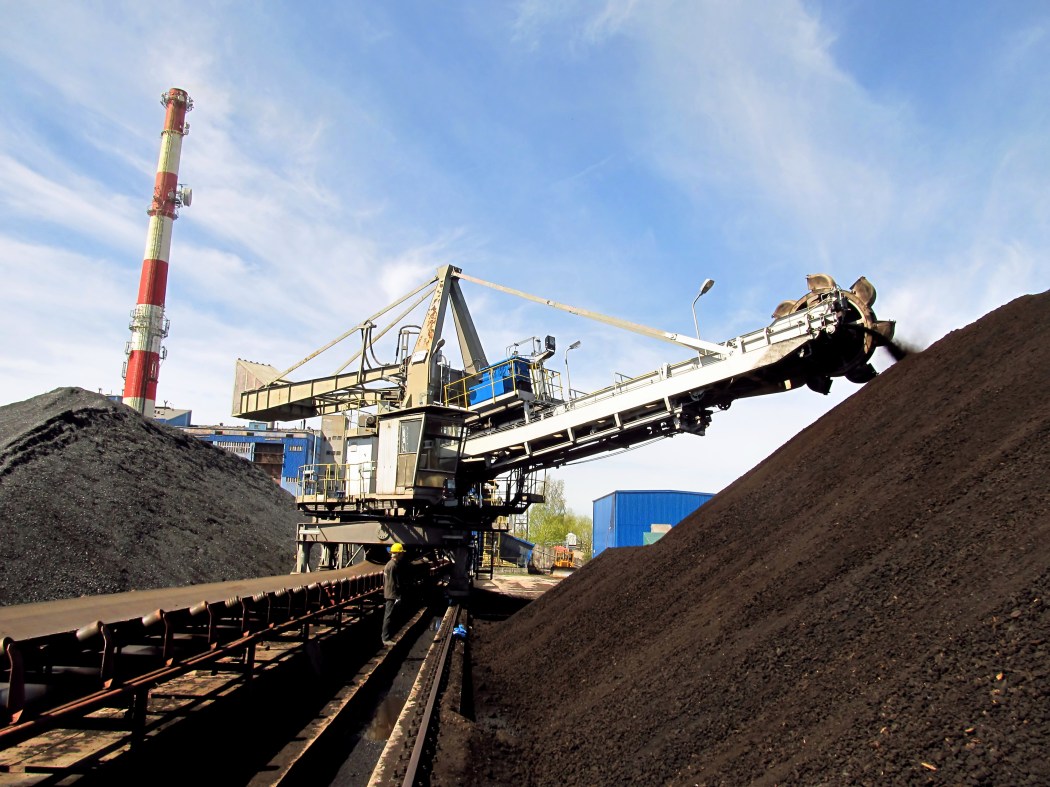
ICSC also pointed out that some coal-fired plants, including Sual units, were operating at reduced capacity during the incident, contributing to further tightening supply.
While the unavailability of hydropower units such as Magat was cited as a contributing factor, the group noted that these were part of scheduled maintenance activities, and that unplanned outages had a more significant impact on grid conditions.
The effects of the Luzon outages were also felt in the Visayas, which relies heavily on imported power from other grids, showcasing the interconnected nature of the country’s power system.
ICSC said this setup makes the grid more vulnerable, as disruptions affecting a few major plants can have wider consequences across regions.
To address these risks, the group called for a shift toward a more diversified and decentralized energy system, reducing dependence on a limited number of large facilities.
It emphasized the need to expand indigenous renewable energy sources such as geothermal, hydropower, solar, and wind, supported by energy storage systems to improve flexibility and resilience.
ICSC added that a more geographically distributed power system would help reduce the impact of localized disruptions and improve reliability, especially considering that the archipelagic country is exposed to extreme weather.
The group also stressed that improving grid reliability will require more flexible resources that can respond quickly to changes in supply and demand, rather than relying solely on additional baseload capacity.
As grid alerts continue to highlight system vulnerabilities, how can the Philippines accelerate the transition toward a more resilient and flexible power system?
Follow Power Philippines on Facebook and LinkedIn or join our Viber community for more updates.