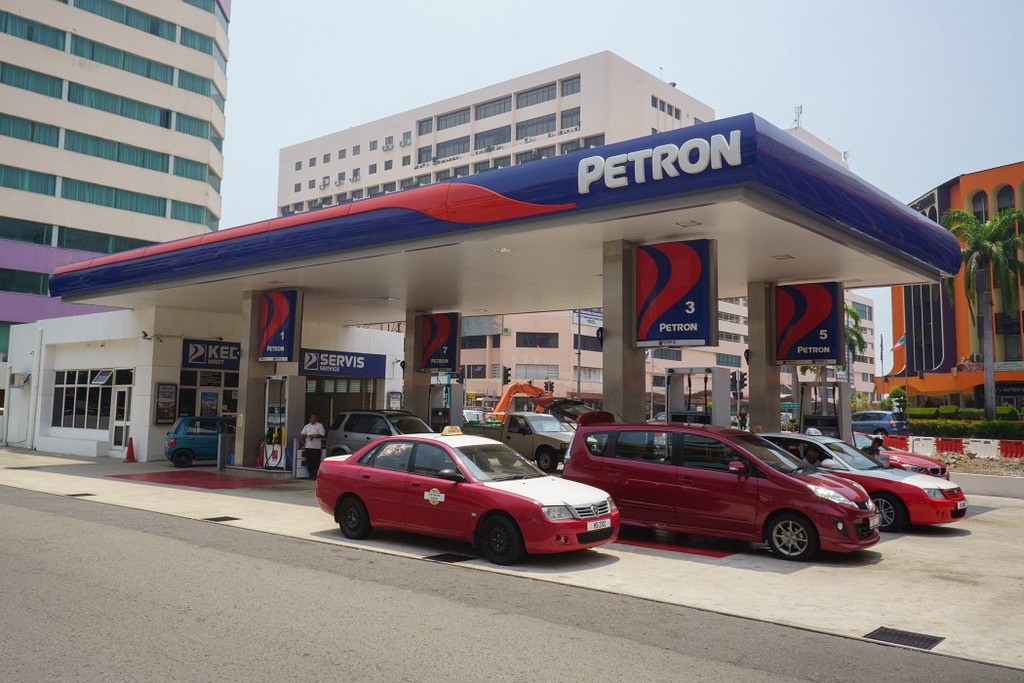
DOE caps fuel price adjustments under energy emergency
- April 20, 2026
- 0

The Department of Energy (DOE) has begun capping fuel price adjustments following the declaration of an energy emergency, allowing the government to set minimum rollbacks and limit price increases for petroleum products.
Energy Secretary Sharon S. Garin said the policy, implemented under Executive Order No. 110, gives the government authority to prescribe price adjustments during crisis conditions while still using established pricing formulas.
“We didn’t cap the price but we did cap the adjustments,” Garin explained. “We have a limit, we have a minimum rollback and we also have a maximum price increase.”

She clarified that the intervention is not arbitrary, noting that adjustments continue to follow market-based calculations.
“This is not an arbitrary calculation… we still follow calculations that we have been using for regular increases,” Garin said.
Under the mechanism, oil companies are required to follow a minimum rollback and cannot exceed a maximum increase set by the government. For this week, the DOE prescribed a minimum rollback of PHP 24.94 per liter for diesel, PHP 3.41 for gasoline, and PHP 2.00 for kerosene.
Companies that fail to comply may face penalties, including show-cause orders, possible permit review, and sanctions under the Oil Deregulation Law.
The policy was introduced amidst ongoing public concern over uneven pricing movements, especially the faster increases compared to rollbacks.
“The people’s clamor was like, why are the increases faster than the rollback?” Garin said, explaining the rationale behind the policy.
Supporting the policy, the DOE reported that fuel inventory levels have improved, with total available supply reaching 52.02 days as of April 17. Gasoline inventory stood at 54.47 days, diesel at 50.13 days, and liquefied petroleum gas at 40.26 days.
The agency attributed the increase to lower fuel consumption nationwide, as well as conservation efforts such as carpooling, work-from-home arrangements, and more efficient energy use among households and businesses.
At the same time, the government is continuing to build up fuel buffers through imports handled by the Philippine National Oil Company. Officials said multiple diesel shipments totaling over one million barrels are being delivered, alongside a planned import of 21,000 metric tons of LPG scheduled to arrive in May.
Due to the absence of state-owned storage facilities, the DOE said these supplies are being stored in private depots across the country, in areas such as Subic, Batangas, and Davao.
The developments reflect a broader push by the government to take a more active role in managing both fuel prices and supply during the ongoing energy emergency.
How effective do you think government controls on fuel price adjustments will be in protecting consumers during an energy crisis?
Follow Power Philippines on Facebook and LinkedIn or join our Viber community for more updates.