Livelihood-first model seen as key to off-grid electrification viability
- April 20, 2026
- 0
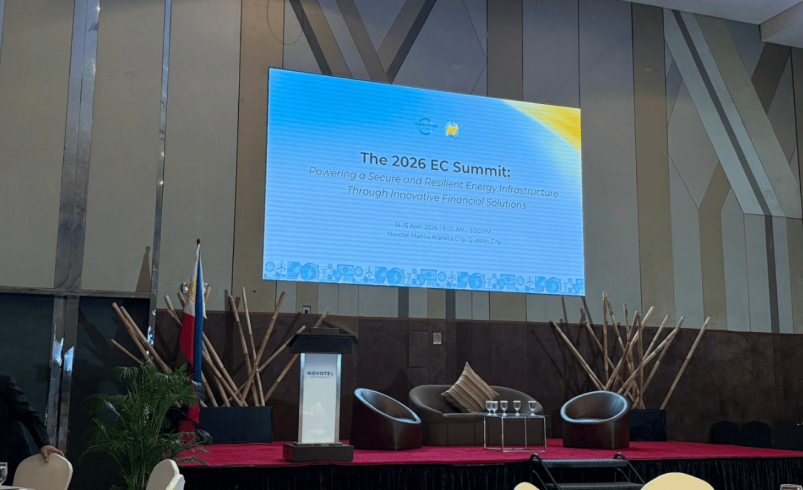
Electrification efforts in off-grid communities should begin with income generation rather than power supply alone, according to Erel Narida, President of One Renewable Energy Enterprise, Inc., (OREEI) who outlined an alternative model during the 2026 Electric Cooperative (EC) Summit.
Speaking at the event held on April 14 to 15 at Novotel Manila Araneta City, Narida said many rural electrification initiatives struggle not because of technology gaps, but because communities lack the financial capacity to pay for electricity use.
“If your community doesn’t have income, no one will pay for your electricity,” Narida said, underscoring the need to rethink how electrification projects are developed.

Narida described the approach as a “paradigm shift” from the traditional model, where power infrastructure is deployed first in the hope that demand will follow. Instead, he proposed building economic activity at the community level to create a stable revenue base before expanding electricity access.
At the center of this approach is the concept of Productive Use of Renewable Energy (PURE), which focuses on establishing shared service facilities that generate both power and livelihood opportunities. These facilities, referred to as “Banwa,” provide essential services such as potable water, ice, and internet connectivity, each of which is powered by small-scale renewable or hybrid energy systems.
One such model is already operating in an off-grid island in Quezon, where a 30-kilowatt system supports basic services for residents. The setup has helped reduce the cost of essentials while enabling the emergence of small businesses, including local retailers distributing water and ice to nearby communities.
Narida said the model is designed as a partnership with the community, allowing individuals, cooperatives, and even electric cooperative employees to participate in delivering services through a franchise-style structure. This setup separates power generation from service operations while ensuring both components contribute to overall sustainability.
Rather than relying on subsidies, the system is intended to function as a business, with revenues generated from services such as water and ice helping cover operational costs. This, in turn, creates income streams for households and improves their ability to pay for electricity once full electrification is introduced.
As economic activity grows, the model allows for a gradual transition to broader electrification, with the shared facility serving as an anchor load for future microgrid development. Narida noted that this approach could make it easier for electric cooperatives to enter previously unviable areas.
He also pointed to the potential for faster deployment, saying similar systems can be established within months compared to traditional electrification projects that may take years to complete.
By prioritizing livelihood creation alongside energy access, Narida said partnerships between developers, communities, and electric cooperatives could help address long-standing challenges in off-grid electrification.
Narida founded OREEI in 2007. It is a Philippine-based solar systems integrator specializing in commercial solar installations, mini-grid systems, and solar-powered water pumps for rural areas.
Should electrification programs prioritize income generation before expanding power access in off-grid communities?
Follow Power Philippines on Facebook and LinkedIn or join our Viber community for more updates.