Oil rises this week on prolonged Hormuz standoff
- April 22, 2026
- 0
Oil prices surged while global equities showed mixed reactions on Monday as renewed tensions in the Middle East raised concerns over supply disruptions, a development closely watched by energy-importing economies such as the Philippines.
Reuters reports that Brent crude futures rose about 5% to USD 95.16 per barrel, reflecting heightened risk premiums tied to constrained shipping activity in the Gulf. Stock futures in the U.S. and Europe declined, while Asian markets remained resilient, with benchmarks in Seoul, Taipei and Tokyo posting gains.
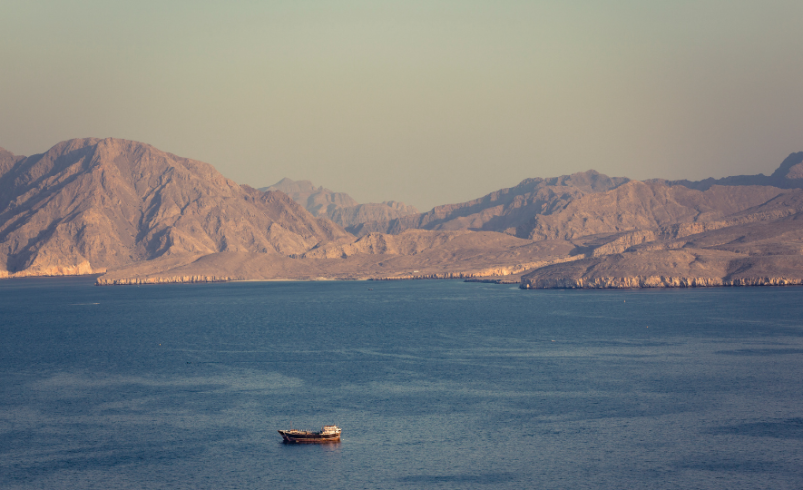
Iran has re-imposed its de facto closure of the Strait of Hormuz, a critical chokepoint for global oil flows. However, shipping data from Kpler showed more than 20 vessels carrying oil products, metals, gas, and fertilizer transited the passage on Saturday—the busiest since March 1.

Uncertainty over a ceasefire between Iran and the United States–set to run until Tuesday—has added volatility to markets. Tensions escalated after the U.S. seized an Iranian cargo ship, prompting Tehran’s top military command to vow retaliation.
“The headlines look bad; it looks like there’s disagreement … which has led to a little bit of re-escalation,” Reuters quotes Damien Boey, portfolio strategist at Wilson Asset Management in Sydney.
“But I think, ultimately, both sides want to be able to do a deal – that’s part of the reason why the market’s optimistic and not selling off too much.”
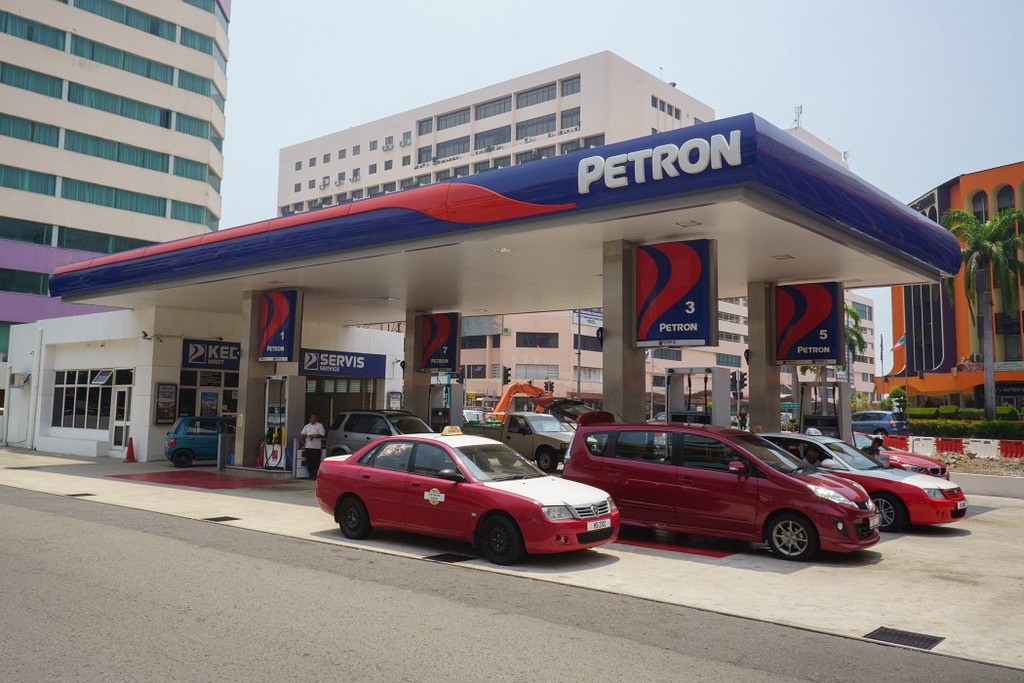
For Philippine energy stakeholders, the developments underscore the country’s exposure to global oil price swings, given its heavy reliance on imported fuel. A sustained rise toward the USD 95-per-barrel level could feed into domestic pump prices, power generation costs, and inflation.
Despite geopolitical risks, equity markets in Asia showed relative strength. Hong Kong’s Hang Seng rose 0.8%, Japan’s Nikkei climbed 1%, and South Korea’s KOSPI gained 1.4%, suggesting investor confidence in a potential diplomatic resolution.
Still, caution is emerging in financial institutions. Australia’s National Australia Bank flagged a USD 500 million impairment charge, anticipating rising bad debts linked to the conflict.
Iran has rejected new peace talks with the U.S., according to its state media, even as U.S. President Donald Trump signaled willingness to negotiate while threatening further military action if conditions are not met.
“Our base case (AKA guess) is still resolution to the war. Trump is still focused on November midterm elections,” said Paul Chew, head of research at Singapore’s Phillip Securities, was reported as saying.
Market attention has increasingly centered on shipping activity through the Strait of Hormuz as a real-time indicator of supply risk.
“The critical barometer of geopolitical risk has been distilled into one data point: The number of ships transiting the Strait of Hormuz,” said Bob Savage, head of markets macro strategy at BNY, as reported by Reueters. “Peace talks matter, but the immediate focus is on oil and other supply shortages driving inflation.”
How should Philippine energy players from utilities to regulators respond to renewed oil price volatility tied to geopolitical flashpoints? Join the discussion.
Follow Power Philippines on Facebook and LinkedIn or join our Viber community for more updates.