PH banks urged to rein in fossil fuel lending, boost renewables
- April 22, 2026
- 0
Philippine banks are being urged to tighten policies and accelerate a shift toward renewable energy, as watchdog groups warn that continued financing for coal and gas leaves the country exposed to volatile global fuel prices.
At a briefing on Tuesday, clean energy and finance advocacy groups said the country’s largest commercial banks must address policy gaps that allow ongoing support for fossil fuel activities, particularly through refinancing and subsidiary investments.
The call comes as the 2026 Fossil Fuel Divestment Scorecard showed banks have funneled a cumulative USD 10.15 billion into energy financing over the past 16 years, with fossil fuel exposure persisting alongside a surge in renewable investments.

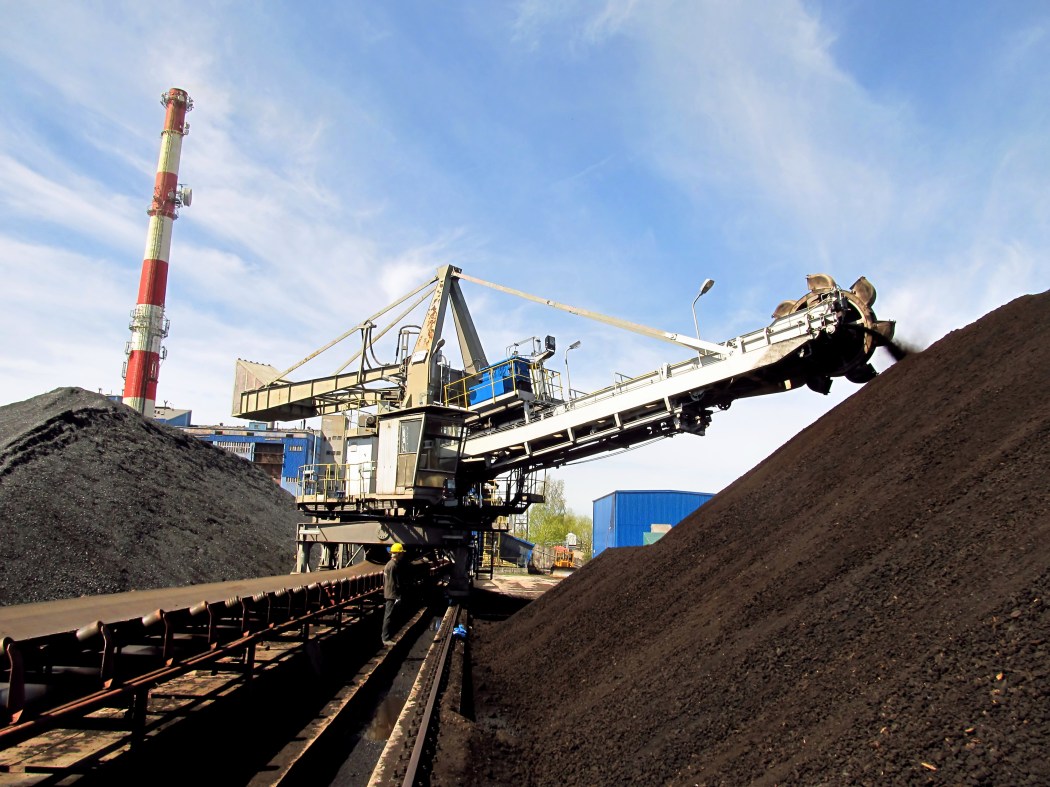
Renewable energy financing quadrupled from 2024 levels to USD 5.79 billion last year, but fossil gas reached a record USD 3.37 billion, while coal financing climbed to USD 985 million—its highest since 2019 despite the country’s coal moratorium.
“Today’s energy crisis is but the latest concretization of the consequences of an energy sector reliant on coal, gas, and other fossil fuels,” said Bishop Gerry Alminaza, President of Caritas Philippines and lead Convenor of Withdraw from Coal: End Fossil Fuels.
“It is a crisis felt at the gut by ordinary Filipinos, as prices of fuel for transport, electricity, and basic goods soar. And every peso that banks still pour on costly fossil fuels prolong our people’s agony,” he added.
Advocates flagged growing risks from global market swings. In the first month since the United States and Israel’s war on Iran began, coal prices rose by 17% while liquefied natural gas surged by 91%, underscoring the Philippines’ vulnerability as fuel costs are passed on to consumers. Coal and gas accounted for 74% of national power generation in 2025.
The Scorecard, published by the Center for Energy, Ecology, and Development (CEED), noted that most coal and gas-related deals were for refinancing or acquisitions rather than new capacity. In contrast, about USD 3.1 billion in renewable financing supported roughly 5,000 megawatts of projects last year.
Nine of 14 banks assessed have adopted coal-restriction policies, but six still participated in coal-related deals due to loopholes—particularly the absence of provisions covering refinancing and investment subsidiaries. No bank has declared restrictions on gas financing.
“Philippine banks that have made policies to restrict coal financing must close loopholes that still enable them to contribute to continued dependence on coal nationally, despite the vulnerability of coal to price shocks and outages, and unalignment to sustainability and climate imperatives,” said Ivan Andres, Deputy Head for Research and Policy at CEED.
“Meanwhile, the challenges experienced by the LNG industry–from the grave delays and cancellations of projects in the last half decade, to today’s price and fuel supply crisis–should already be a lesson learned by banks: that LNG is tricky business. It is in their and their clients’ best interest to shift away from both and toward portfolios focused on renewable energy,” he added.
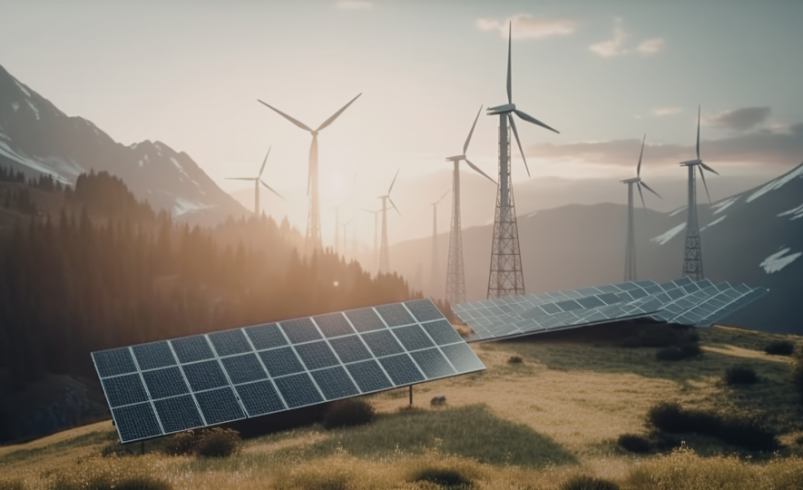
Advocates said the rise in renewable financing is a positive signal but stressed the need for more decisive action, including support for distributed energy solutions.
“We see rising investments in renewable energy as a positive step forward for clean energy–but now is a time to be taking a leap. In fully prioritizing renewables immediately– such as through supporting household level renewable energy utilization as an urgent crisis response–and in the long term, Philippine banks can help unlock hope for clean, affordable, and sustainable energy for all Filipinos,” said Bishop Alminaza.
What policy changes should banks prioritize to accelerate the Philippines’ shift away from fossil fuels while managing energy security risks?
Follow Power Philippines on Facebook and LinkedIn or join our Viber community for more updates.