Philippine solar moves toward critical infrastructure
- April 28, 2026
- 0
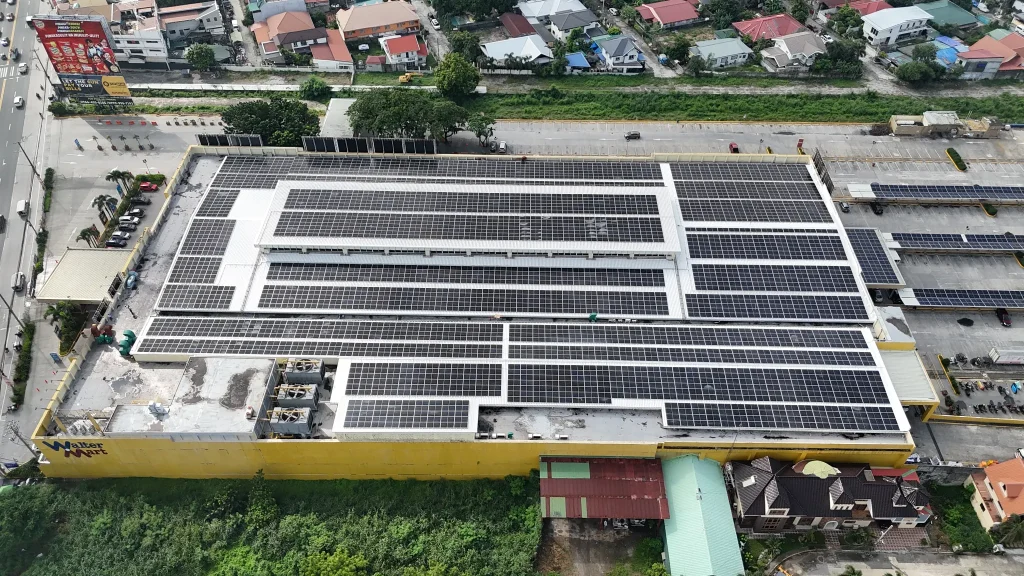
The Philippines is no longer asking whether solar works. The real question now is whether it can be trusted—through typhoons, power price spikes, and years of nonstop operation. As rooftop systems spread from landmark malls and industrial parks to homes in Cebu and Davao, solar has quietly shifted roles: from a sustainability add-on to critical infrastructure that businesses and households now depend on every day.
That transition is something SolarEdge Philippines Country Sales Manager Koji Bulahan sees firsthand. SolarEdge Technologies, a global leader in smart energy solutions, is known for pioneering DC-optimized inverter systems that maximize energy yield and system reliability. Working across multi-megawatt commercial rooftops in Metro Manila and CALABARZON as well as a growing base of residential installations, Bulahan sits at the intersection of energy economics and engineering reality.
What’s becoming clear, he says, is that in today’s market, solar systems are judged less by their upfront cost—and more by how safely, securely, and predictably they perform over time.

“My role is simple,” Bulahan tells Power Philippines. “Increase the yield, the safety, and protect the business case—year after year.”
That focus on the outcomes reflects how the Philippine market is maturing. On the commercial and industrial (C&I) side, persistently high electricity tariffs have pushed CFOs to view rooftop solar as a strategic hedge rather than a discretionary investment. Instead of one-off installations, companies are rolling out standardized solar portfolios across malls, logistics hubs, and industrial estates—placing new emphasis on uptime, operational efficiency, and risk management.
“Philippine solar has shifted from pilots to portfolios—with uptime and cybersecurity now in scope,” Bulahan notes.
At the residential level, homeowners are no longer installing panels alone; many are planning for battery storage, EV readiness, and long-term energy resilience. In both segments, solar is increasingly treated as a connected, mission-critical asset.
Local conditions play a defining role in how solar systems must be built in the Philippines. Heat, humidity, corrosion, and typhoons are obvious design constraints. Less visible—but just as critical—is the digital environment in which modern systems operate.
“Typhoons test the hardware,” Bulahan says. “The internet tests the software. Your system must pass both.”
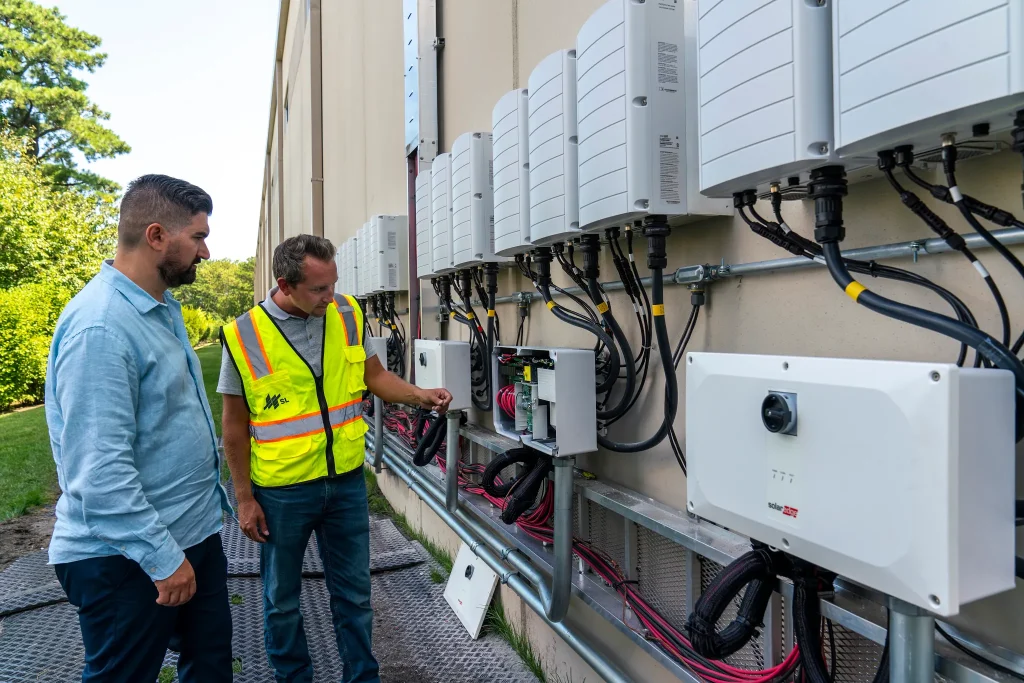
Most commercial solar sites today rely on remote monitoring, shared corporate networks, and cloud-based performance analytics. That makes inverters not just power electronics, but connected IT endpoints—an issue underscored by global cybersecurity incidents involving compromised solar devices.
Bulahan explains that lessons from broader cybersecurity research show that IoT-enabled energy systems, including solar inverters and monitoring platforms, can be exposed to cyber risks if not properly secured. He notes that in connected environments, vulnerabilities can scale quickly across devices and networks when security controls are weak or absent.
This underscores the importance of strong network security practices, including secure configurations and authenticated software updates, to protect distributed solar assets and related digital infrastructure.
“Treat every inverter as an IT endpoint,” Bulahan says. “If it’s online, it needs cybersecurity-grade controls.”
For Filipino businesses, the implications are practical. Even modest, preventable outages can erase a significant portion of projected savings over time. For companies with ESG commitments, cyber incidents affecting energy systems can also raise governance and disclosure concerns. At the household level, unsecured gateways can expose home networks or allow unsafe system settings.
“Cyber hygiene is now part of energy hygiene,” Bulahan says. “And it shows up on the P&L (profit and loss).”
One of the risks Bulahan sees in the market is the long-term exposure created by low-cost imported inverters that lack guaranteed firmware updates or robust protections. Solar assets are designed to last 20 years or more; without authenticated updates and strong default security, vulnerabilities can compound over time.
“We’ve seen default passwords left unchanged, commissioning Wi-Fi left active, and monitoring dashboards left open to the public,” he says. “None of these require a super hacker—just basic oversight.”
SolarEdge’s approach, he explains, is to remove that reliance on memory and manual checklists by embedding security into the system architecture itself.
“Security has to be structural, not optional,” Bulahan says. “Design it in, don’t add it on.”
In practice, that means unique device credentials, encrypted communications, role-based access controls, and cryptographically signed firmware updates that devices verify before installation—similar to how smartphones reject untrusted software.
SolarEdge’sdata hosting under strict European Union standards further supports enterprise governance requirements, especially for multinational firms operating in the Philippines.
“Data location is a proxy for governance,” Bulahan says. “Choose mature controls, not just a cheap server or third party hosting.”
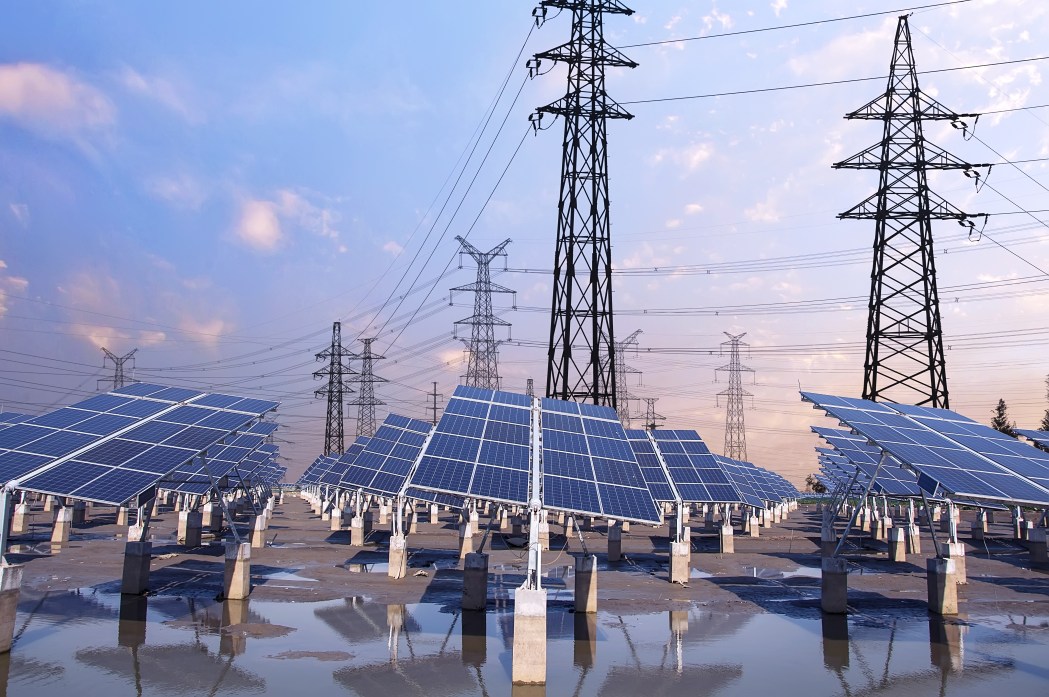
SolarEdge’s defining technical distinction remains its DC optimization architecture, which distributes intelligence down to each individual module. On complex Philippine rooftops—where shading, vents, and varied tilt angles are common—that design can materially improve energy yield and fault response.
“Module-level intelligence turns rooftops into manageable, high-yield assets,” Bulahan says.
For mall operators and manufacturers, the benefit is not abstract. Faster fault isolation, fewer truck rolls, and minimized downtime directly support net operating income. Safety features such as SafeDC™, arc-fault protection, and connector temperature sensing further reduce operational risk—an increasingly important consideration for insurers, financiers, and first responders.
Independent evaluations from bodies such as VDE Renewables and FM Global add another layer of confidence, particularly for risk committees assessing large-scale deployments.
With some of the highest power tariffs in Asia, every incremental gain in system performance carries outsized value in the Philippines. Over a 20-year project life, even small improvements in uptime and yield can translate into millions of pesos in protected returns.
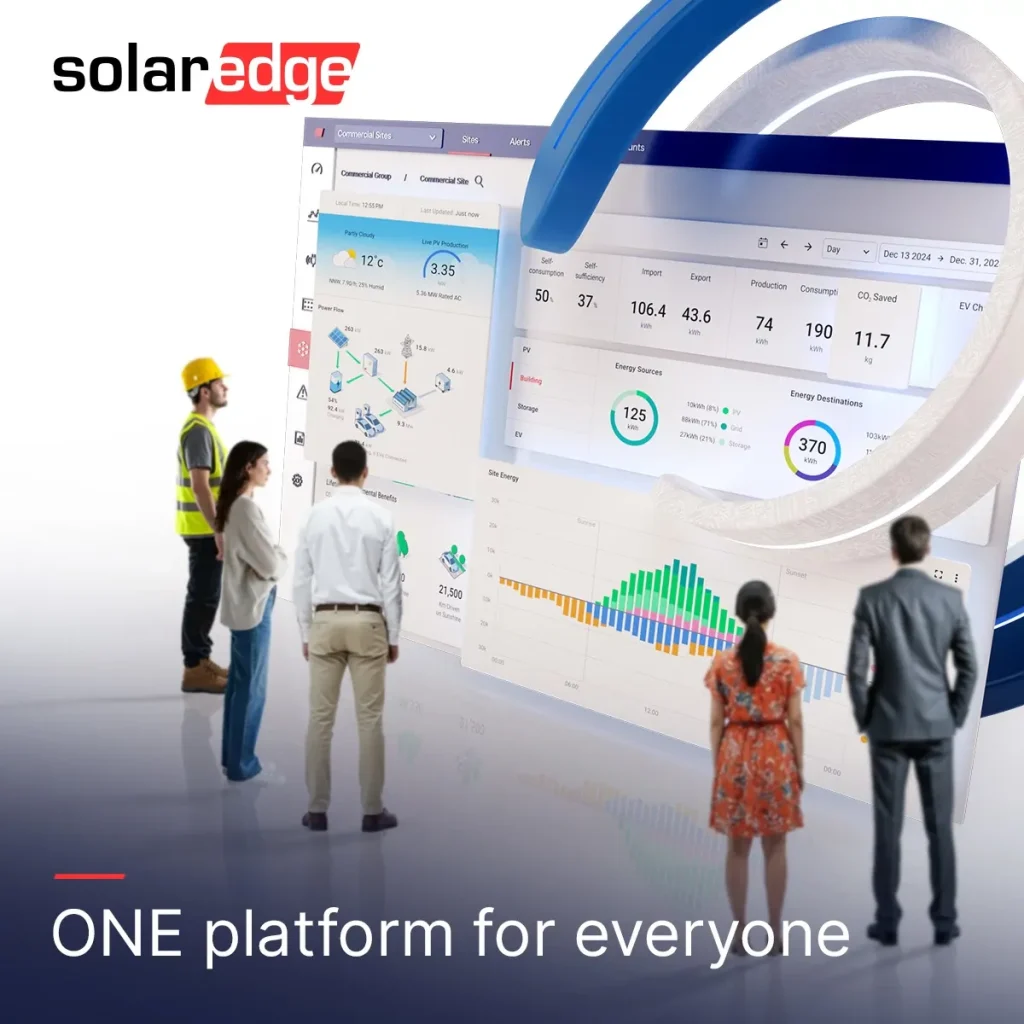
For sustainability-focused boards and households alike, the appeal is convergence: performance, safety, and cybersecurity delivered through a single, integrated platform.
“Performance plus safety plus cybersecurity—that’s long-term energy resilience,” Bulahan says.
SolarEdge expects deeper integration of solar with storage, EV charging, and intelligent energy management—allowing sites to respond to peak pricing, grid instability, and future demand without adding operational complexity.
Bulahan’s message to decision-makers is direct: solar has become strategic infrastructure. The choices made today will shape financial performance, safety outcomes, and brand reputation for decades.
“Choose secure, optimized solar now,” he says, “and you protect cash flow, safety, and reputation later.”
Want to know more? Catch the Power Podcast episode featuring Koji Bulahan, Country Sales Manager for SolarEdge