Philippines could save PHP 1.7B in fuel imports by hitting 2030 solar target —ZCA
- May 4, 2026
- 0
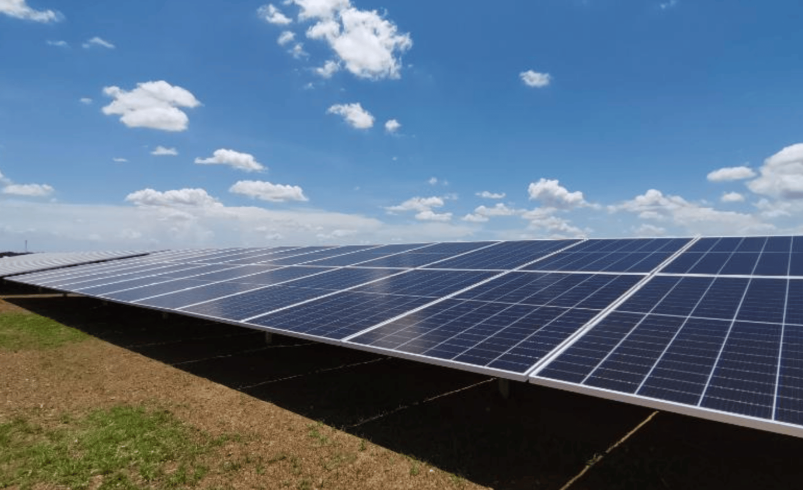
The Philippines could avoid around PHP 1.7 billion in coal and gas import costs by meeting its 2030 solar capacity target, underscoring the role of renewables in cushioning consumers from volatile global fuel prices, according to a new analysis.
Research group Zero Carbon Analytics (ZCA) said achieving at least 9.5 gigawatts (GW) of solar capacity by 2030—aligned with the Philippine Energy Plan’s most conservative scenario—would allow the country to displace a significant share of fossil fuel generation with domestically produced energy.
The findings come as the Philippines grapples with elevated electricity costs following a declared State of Energy Emergency, with fuel price volatility feeding directly into consumer power bills.

ZCA noted that coal and gas prices have surged in recent months, intensifying cost pressures. Asian liquefied natural gas (LNG) prices reached USD 16.55 per mmBtu as of April 24, up 54.3% since late February, while Newcastle coal prices climbed to as high as USD 150 per tonne in March before easing slightly to USD 133.7 per tonne.
Given the country’s reliance on imported fuels, these spikes have a direct pass-through effect on electricity rates.
“In the Philippines, where generation costs account for around 60% of electricity bills, these price shocks are passed directly on to consumers,” said Yu Sun Chin, senior Asia regional researcher at Zero Carbon Analytics. “Scaling up solar is one of the fastest and most effective ways to reduce this exposure, cutting costs and strengthening energy security. Staying on track to meet the 2030 solar target and even surpassing it will be critical to protecting Filipinos from future price shocks.”
Beyond cost savings, the analysis framed solar expansion as a fiscal opportunity. ZCA said the estimated PHP 1.7 billion in avoided import costs could offset public spending priorities, noting it would be enough to cover programs such as the proposed Cancer Assistance Fund in the 2026 national budget.
The Philippine government has already begun accelerating renewable energy deployment in response to the crisis, including fast-tracking nearly 1.5 GW of solar, wind, and battery storage projects, and bringing 250 megawatts (MW) of solar capacity online.
ZCA emphasized that embedding these short-term measures into long-term policy frameworks will be key to sustaining gains in affordability, resilience, and energy independence.
Across Southeast Asia, governments are pursuing similar strategies. The report cited recent moves by Thailand to roll out soft loans for rooftop solar and electric vehicles, Indonesia’s plan to replace over 2,000 diesel plants with renewable systems, and Vietnam’s push to phase out coal under its Just Energy Transition Partnership while reassessing new gas projects.
What do you think? Will the Philippines stay on track to meet—or exceed—its 2030 solar target, and how quickly can this translate into lower power costs for consumers and industry?
Follow Power Philippines on Facebook and LinkedIn or join our Viber community for more updates.