Senate tackles nuclear safety treaties and nuclear disaster readiness
- May 6, 2026
- 0
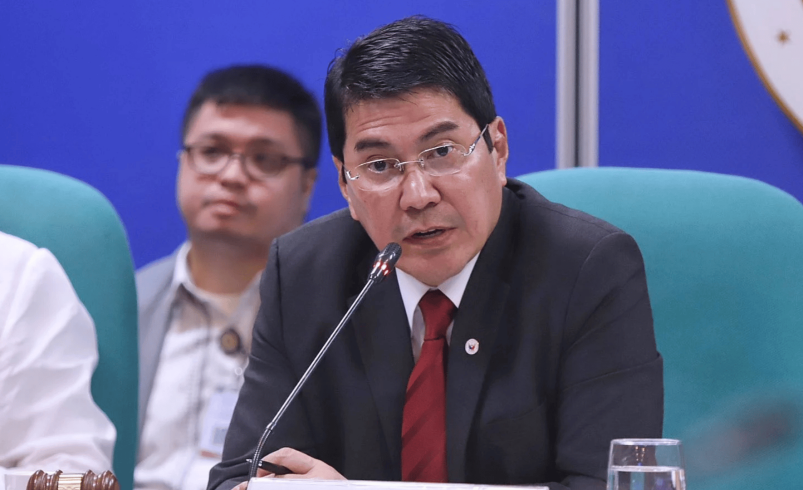
Members of the Senate on Tuesday discussed international nuclear safety treaties and raised concerns over disaster preparedness for a potential nuclear energy program.
In a Committee on Foreign Relations hearing, Sen. Win Gatchalian pushed for the ratification of four international nuclear safety conventions, describing them as a necessary step before the country proceeds with any nuclear power development.
The agreements under consideration are the Convention on Supplementary Compensation for Nuclear Damage, Convention on Nuclear Safety, Protocol to Amend the Vienna Convention on Civil Liability for Nuclear Damage, and the Joint Convention on the Safety of Spent Fuel Management and on the Safety of Radioactive Waste Management.

Gatchalian said ratification would align the Philippines with international nuclear safety norms and strengthen confidence in the country’s regulatory posture.
“This is a sign of confidence for the Philippines and a way to show that we are adhering to very strict standards in terms of safety, waste disposal, and other issues relating to nuclear power,” he said.
He added that compliance with these frameworks is intended to place the country “at par with other countries that are producing nuclear power.”
While the Senate advanced discussions on international legal alignment, Sen. Erwin Tulfo raised parallel concerns over whether domestic institutions are operationally prepared to handle nuclear-related emergencies.
Tulfo questioned the readiness of national and local disaster response systems, pointing to gaps in training, protocols, and implementation timelines for nuclear emergency scenarios.
He asked agencies what concrete preparations have been completed under existing disaster frameworks.
“Ano ang mga pagsasanay at paghahanda na isinagawa ng National Disaster Risk Reduction and Management Council alinsunod sa planong ito? … Mayroon na ba tayong mga protokol o manwal kung ano ang gagawin?” Tulfo asked.
Government officials said nuclear emergency preparedness measures are being developed under existing civil defense structures, with completion of plans targeted within the year and possible implementation by 2027, alongside capacity-building programs for responders and local governments.
The discussions come as the Philippines continues to explore nuclear energy as part of its long-term power mix amid rising electricity demand and exposure to imported fuel volatility.
As the Philippines moves closer to a nuclear energy pathway, can regulatory ambition and on-the-ground preparedness be synchronized in time to ensure safe implementation?
Follow Power Philippines on Facebook and LinkedIn or join our Viber community for more updates.