Philippine rooftop solar demand surges as ASEAN pushes cleaner energy solutions during energy crisis
- May 7, 2026
- 0
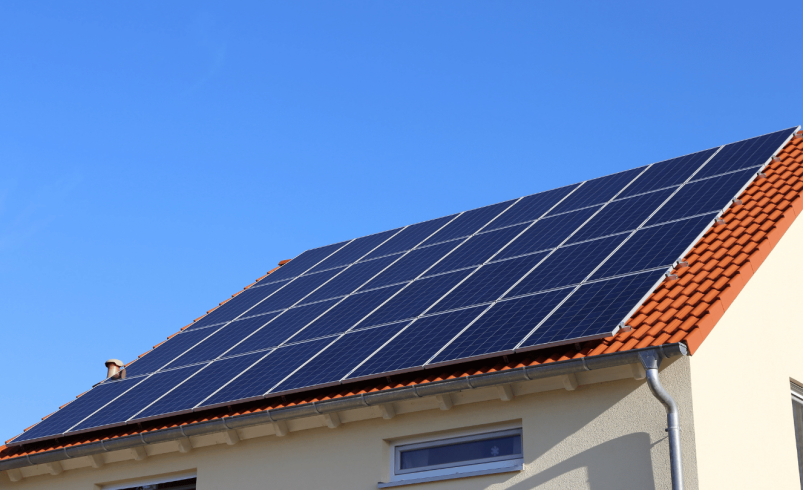
ASEAN energy experts said the ongoing global energy crisis is accelerating renewable energy adoption across Southeast Asia, with the Philippines seeing a sharp rise in rooftop solar demand as consumers seek protection from volatile electricity and fuel prices.
During the May 6 webinar titled, “Tracking ASEAN’s Clean Energy Response to the Energy Crisis & Global Energy Policy Tracker Launch,” speakers said renewable energy is increasingly being viewed not just as a climate solution, but as a long-term energy security strategy.
New Energy Nexus Philippine Country Director Brenda Valerio said demand for rooftop solar systems in the Philippines has surged dramatically since the energy crisis intensified.

“The current energy crisis has made solar urgent, practical, and economically compelling for Filipinos. Demand for rooftop solar since the crisis has surged dramatically. Weekly customer increase have increased over 500%,” Valerio said.
However, she said installations only doubled due to supply shortages, logistics costs, financing constraints, and manpower gaps within the solar sector.
Valerio said the surge in demand shows that consumers are no longer viewing solar mainly as an environmental choice.
“Solar is no longer a climate decision. It’s not for sustainability or for environmental reasons. It’s a cost management strategy,” she said.
The webinar also marked the launch of the Global Energy Crisis Policy Monitor, a tracking tool that monitors how governments worldwide are responding to the energy crisis through policies related to renewables, storage, grids, LNG, oil, and fuel subsidies.
Global Renewables Alliance APAC Lead Rex Amancio said ASEAN countries are beginning to move beyond temporary relief measures such as fuel subsidies and tax reductions by implementing longer-term renewable energy and grid policies.
Amancio cited the Philippines’ 10-year renewable energy auction plan, offshore wind initiatives, and energy storage integration measures as examples of policies aimed at improving long-term energy resilience.
He also noted that while the Philippines already has several renewable energy policies in place, implementation remains a challenge.
“We’ve got laws already in place before the Middle East crisis. But then the big question is about implementation,” Amancio said.
Meanwhile, Energy Shift Institute Managing Director Putra Adhiguna said the energy crisis may permanently change how countries define energy security.
Adhiguna said ASEAN countries should focus first on gradually increasing renewable energy deployment rather than debating whether a fully renewable power grid is immediately achievable.
“The first goal is to get to 20%, 30% to 40%, and then let’s worry about what’s coming after,” Adhiguna said.
The speakers also discussed broader ASEAN energy cooperation efforts, including the ASEAN Power Grid and regional renewable energy integration.
Valerio said renewable energy could reshape how ASEAN countries cooperate by reducing dependence on imported fossil fuels and encouraging more regional collaboration.
“It’s really a move from energy dependence to resilience that would really change the nature of cooperation between the region,” she said.
Do you think the current energy crisis will permanently change how ASEAN countries approach renewable energy and energy security?
Follow Power Philippines on Facebook and LinkedIn or join our Viber community for more updates on the Philippine energy sector.