Mapúa embeds PH energy security challenges into engineering curriculum
- May 13, 2026
- 0
Mapúa University is integrating real-world energy security scenarios into its Energy Engineering curriculum, as the Philippines seeks to build a deeper pool of engineers capable of supporting renewable energy expansion, storage deployment, and grid modernization.
Professor Aldrin Calderon, dean of Mapúa’s School of Mechanical, Manufacturing, and Energy Engineering, said the university has incorporated current energy sector issues into capstone projects, laboratory work, and applied research to help students develop practical and deployable solutions.
“At Mapua, this reality reinforces why Energy Engineering education must go beyond theory. We train students to understand energy security as an engineering, economic, and policy problem, emphasizing systems thinking, resilience design, and indigenous energy solutions aligned with the Philippine Energy Plan (PEP) 2023-2050,” Calderon said.

Established in 1925, Mapúa University is one of the Philippines’ leading engineering and technology institutions. The university, which has campuses in Intramuros, Manila and Makati, is known for its research-driven approach and ABET-accredited programs in engineering, architecture, information technology, and other STEM-related fields. In the 2026 Times Higher Education Asia University Rankings, Mapúa was placed in the 601–800 bracket and ranked second among Philippine universities.
According to Calderon, student projects are designed to address challenges such as renewable energy integration, battery storage, microgrids, and energy efficiency. Some projects are further developed through partnerships with the Department of Energy, Department of Science and Technology, local government units, and industry partners.
Calderon said recent geopolitical tensions in the Middle East have underscored the importance of accelerating these efforts.
“The immediate trigger was the conflict-induced disruption of global oil supply, but the root cause is structural: over-reliance on import dependent fuel mix, and insufficient diversification,” he said.
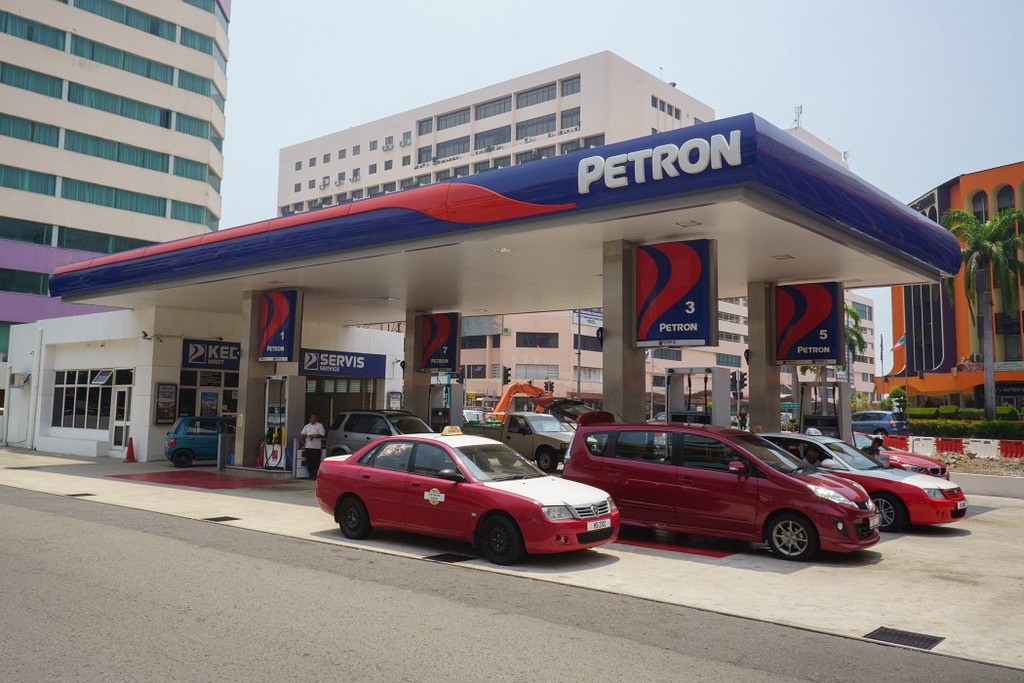
He clarified that around 98% of the Philippines’ petroleum supply is imported, much of it sourced from the Middle East, exposing the country to significant risks from geopolitical disruptions and price volatility.
Calderon said universities can contribute to long-term energy security by supplying skilled engineers, data, and applied research to support the country’s transition to a more diversified and resilient energy system.
He added that the current energy situation serves as both a warning and a call to action for the next generation of engineers.
How important is the role of universities in preparing the talent and technologies needed to strengthen the Philippines’ energy security? Join the discussion.
Follow Power Philippines on Facebook and LinkedIn or join our Viber community for more news and updates on the Philippine energy sector.