ICSC says rotating blackouts expose risks of centralized power infrastructure
- May 15, 2026
- 0
The Institute for Climate and Sustainable Cities (ICSC) said the rotating blackouts and grid alerts experienced in Luzon and Visayas this week exposed the vulnerabilities of the country’s centralized power generation and transmission infrastructure.
In a statement issued Thursday, the think tank said the cascading tripping of the 500-kilovolt Dasmarinas-Ilijan and Tayabas-Ilijan transmission lines on May 13 disconnected nearly 2,500 megawatts (MW) of liquefied natural gas (LNG)-related generation capacity from the grid.
The outages affected the Ilijan 1 and 2 plants with a combined capacity of 1,200 MW, as well as EERI Units 1, 2, and 3 with a combined capacity of 1,262.1 MW.

ICSC noted that while the transmission lines were restored later that same day, the affected power plants were unable to immediately resume operations, prolonging supply shortages and contributing to rotating blackouts and repeated grid alerts.
“Whether through a shared LNG terminal or a critical transmission corridor, disruptions in these critical nodes can quickly cascade into broader system-wide supply shortages and grid instability,” the organization said.
The group also pointed out that the same LNG-related facilities experienced simultaneous shutdowns on April 16 due to issues involving the LNG terminal supplying the plants.
According to ICSC, the incidents illustrate the risks of relying heavily on a limited number of centralized facilities and critical transmission corridors.
ICSC Chief Data Scientist Engr. Jephraim Manansala said the country may need to reassess how reserve requirements are calculated if shared infrastructure is capable of simultaneously affecting multiple generating units.
“Reserves today are sized based on the largest power plant connected to the grid. But if a single shared facility, such as an LNG terminal or critical transmission corridor, can affect multiple plants at once, then that shared infrastructure should arguably become the benchmark for reserve requirements,” Manansala said.
Reserve requirements refer to backup power capacity maintained by the grid to help manage sudden outages or unexpected increases in electricity demand.
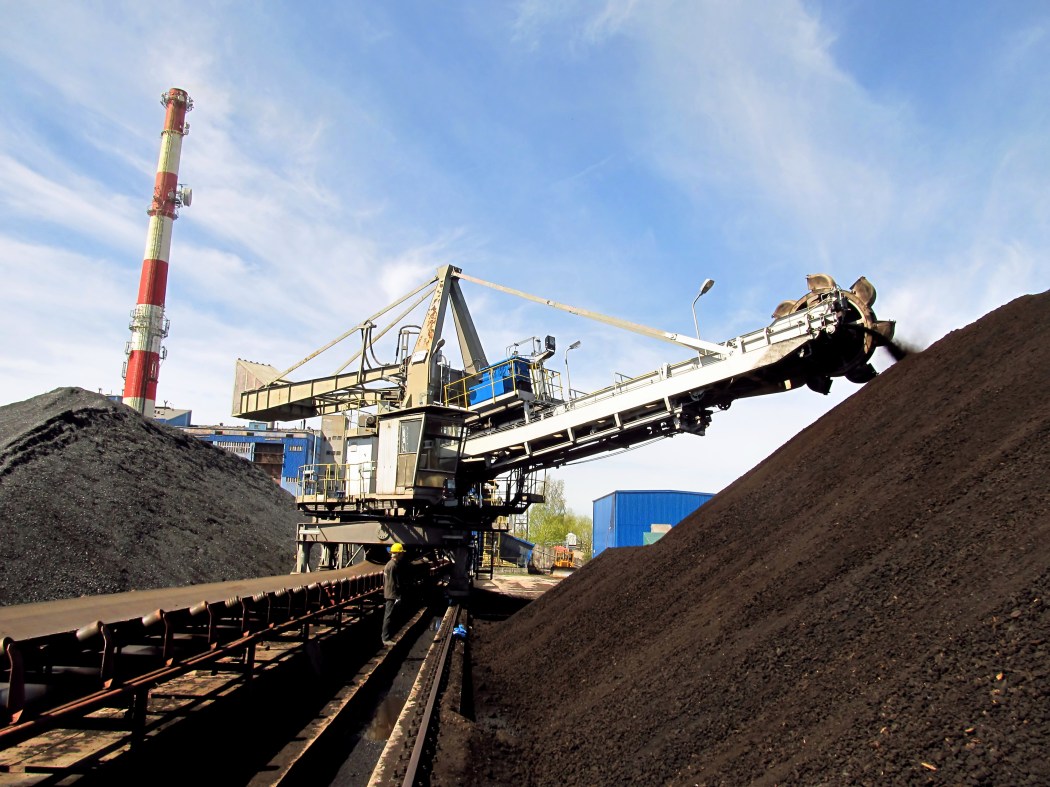
The think tank also cited forced outages involving coal plants such as Masinloc Unit 3 and Mariveles Power Generation Corporation Unit 4, saying the incidents exposed the gap between planned maintenance assumptions and actual plant reliability.
According to ICSC, no generating unit was scheduled for outage during the second quarter under the Grid Operating and Maintenance Program (GOMP), yet several unplanned outages still occurred.
To reduce the risk of recurring grid alerts and rotating blackouts, ICSC said the Philippines should transition toward a more decentralized, diversified, and flexible power system.
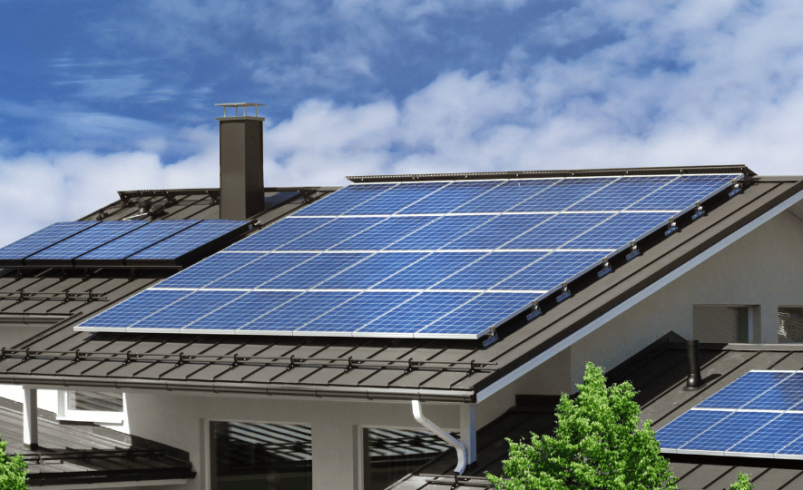
The group said expanding indigenous renewable energy sources such as geothermal, hydropower, solar, and wind — supported by battery energy storage systems — could help reduce dependence on a handful of large facilities and improve overall grid reliability.
ICSC also emphasized the importance of flexible technologies such as battery storage systems, pumped-hydro storage facilities, and fast-ramping generation capacity to better respond to short-term fluctuations in supply and demand.
“A system built on diversified, distributed, and flexible resources minimizes single points of failure,” the organization said.
“More importantly, it offers a more stable foundation for affordable, reliable, and secure electricity for all Filipinos,” it concluded.
As repeated grid alerts expose vulnerabilities in major power infrastructure, will the Philippines accelerate investments in decentralized renewable energy and storage systems to strengthen grid reliability?
Follow Power Philippines on Facebook and LinkedIn or join our Viber community for more updates.