San Beda Alabang shifts to 100% renewable power with ACEN RES
- May 18, 2026
- 0
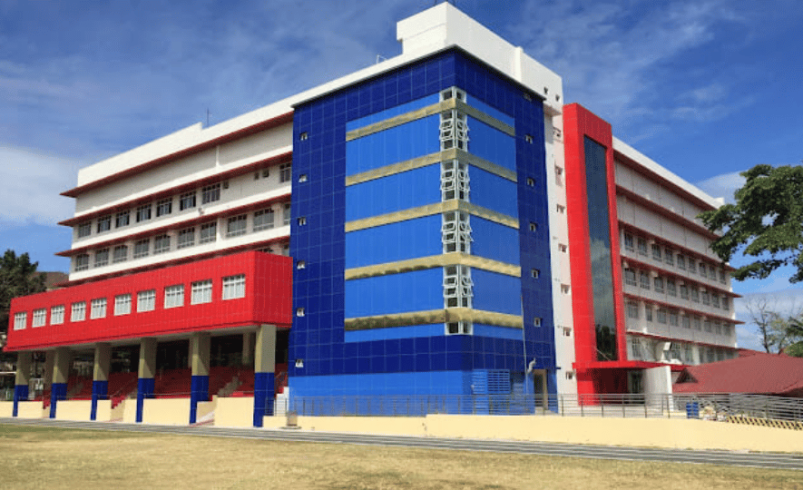
San Beda College Alabang (SBCA) has signed a retail electricity supply agreement with ACEN Corporation unit ACEN Renewable Energy Solutions (ACEN RES) to source 100% of its electricity requirements from renewable energy, joining a growing number of Philippine schools transitioning to clean power.
In a disclosure to the Philippine Stock Exchange on Monday, ACEN said the agreement covers the school’s entire campus operations and was executed under the government’s Retail Competition and Open Access (RCOA) program, which allows qualified electricity consumers to choose their electricity supplier.
Under the arrangement, SBCA will source power from ACEN’s portfolio of solar, wind, and geothermal plants in the Philippines. The renewable supply will complement the school’s existing rooftop solar installations.

The shift is expected to reduce the school’s carbon emissions by more than 2,000 metric tons of carbon dioxide annually, equivalent to the carbon absorbed by around 100,000 trees in one year, according to ACEN.
San Beda College Alabang also expects to save about PHP 8 million a year in electricity costs, with the savings earmarked for academic programs and student services.
“At San Beda College Alabang, we believe that the most powerful lessons are those lived out in our daily operations. By powering our campus with 100% renewable energy, we are showing our students that sustainability and excellence go hand-in-hand,” said SBCA Rector Rev. Fr. Gerardo Ma. De Villa, OSB.
“This partnership with ACEN RES allows us to lead by example, proving that academic institutions can be at the forefront of the global transition toward a cleaner, more sustainable future,” he added.
The move aligns with the school’s sustainability agenda and the Catholic Church’s call for ecological action under Pope Francis’ encyclical Laudato Si’.
The agreement expands the presence of ACEN RES in the education sector, where schools are increasingly using competitive retail supply contracts to manage power costs while meeting sustainability targets.
Other schools that have signed renewable energy supply agreements with ACEN RES include Mapúa University, Mapúa Malayan Colleges Laguna, De La Salle University Laguna, National Teachers College, Siena College of Quezon City and Taytay, and Philippine Cultural College.
“We are happy to welcome San Beda Alabang into our growing community of partner schools, colleges, and universities that have trusted us with their renewable energy supply,” said Tony Valdez, Senior Vice President for Market Transformation and Retail at ACEN.
“As an academic institution, SBCA has an important role to play in shaping the mindset of the next generation of electricity end-users — molding them into responsible consumers who are also concerned about the impact of their choices on society and the planet,” he added.
ACEN RES said it currently holds a 65% share of the Philippine green retail electricity market, based on data from the Philippine Electricity Market Corporation.
What does this deal signal for the broader adoption of renewable energy in schools and other institutions in the Philippines? Share your thoughts.
Follow Power Philippines on Facebook and LinkedIn or join our Viber community for more news and updates on the Philippine energy sector.