Diesel, kerosene to fall by up to PHP 11/L this week —DOE
- June 22, 2026
- 0

The Department of Energy (DOE) expects fuel prices to decline sharply from June 23 to 29, with diesel and kerosene projected to post rollbacks of more than PHP 11 per liter even as the agency continues to monitor renewed tensions in the Middle East.
During a virtual press conference on Monday, June 22, Energy Secretary Sharon S. Garin said this week’s fuel price adjustments would reflect last week’s global oil market movements, meaning any new developments involving the Strait of Hormuz or the broader Middle East conflict may only affect the next pricing cycle.
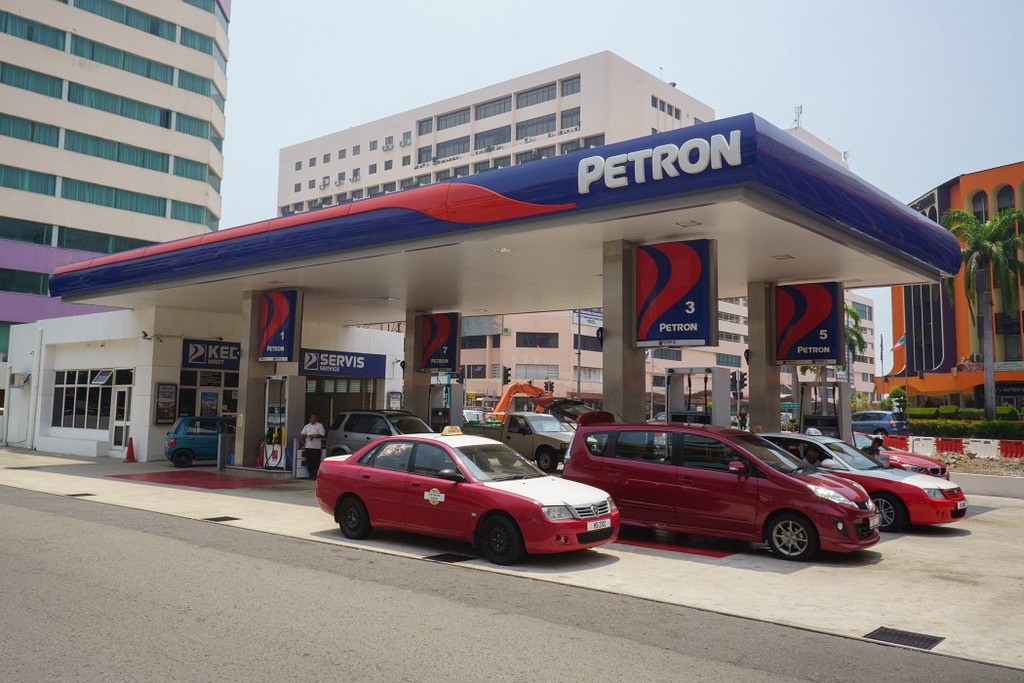
Based on the DOE’s prescribed adjustment range, gasoline prices are expected to go down by PHP 3.90 to PHP 5.90 per liter, while diesel may decline by PHP 9.04 to PHP 11.04 per liter. Kerosene prices may also fall by PHP 9.82 to PHP 11.82 per liter.

DOE officials said the downward adjustments are significant, with most diesel products in Metro Manila expected to fall below PHP 70 per liter. Some gasoline products are also expected to be sold below PHP 70 per liter.
Despite the expected rollback, Garin said the DOE is not easing its monitoring because global oil market conditions remain uncertain.
The agency has been tracking developments in the Strait of Hormuz, a major global oil shipping route, as well as broader developments in the Middle East that could affect international oil prices and domestic pump prices.
“I think it’s concerning because there was a report that they have arrived at an agreement and then the next day there’s reported closure, but then again there are also reports that they are proceeding with the agreement in Switzerland,” Garin said.
She said reports from the region have continued to shift, with developments on peace talks, bombings, and possible disruptions changing from day to day.
“DOE has always taken the stand that we should prepare for the worst. And for that, we are not letting up because we cannot relax until it’s very, very clear for our country that there will be no disruptions caused by the Middle East war,” Garin said.
The DOE said fuel inventories remain sufficient, with officials reporting almost 44 days of gasoline supply, around 40 days of diesel, 129 days of kerosene, 68 days of jet fuel, 38 days of fuel oil, and about 43 days of liquefied petroleum gas or LPG.
These inventory figures refer to the estimated number of days that available fuel supply can cover domestic demand.
The DOE also reported that around PHP 142.9 million had been released under the fuel subsidy program as of June 18, covering 69,790 public utility vehicles, including public utility jeepneys and UV Express units.
The subsidy transactions were made through 2,007 gas stations, with the DOE saying it would continue onboarding stations and offering the program until advised by the relevant inter-agency committee, depending on budget availability.
This week’s rollback is expected to provide short-term relief to motorists, transport operators, and consumers, but the DOE said it will continue monitoring global developments that could affect future fuel prices.
How can the government sustain fuel price relief while protecting consumers from future global oil supply shocks?
Follow Power Philippines on Facebook and LinkedIn or join our Viber community for more updates.