Subic, Bulalacao ports could unlock USD 487M offshore wind investment in PH –GWEC
- June 22, 2026
- 0
Strategic upgrades to two Philippine ports could unlock billions of dollars in offshore wind investments and accelerate the country’s clean energy ambitions, according to a new study released by the Global Wind Energy Council (GWEC).
The report identified Agila Subic and the Port of Bulalacao in Oriental Mindoro as priority infrastructure hubs that could support the development of the Philippines’ emerging offshore wind sector, helping strengthen energy security while creating new industrial and maritime opportunities.
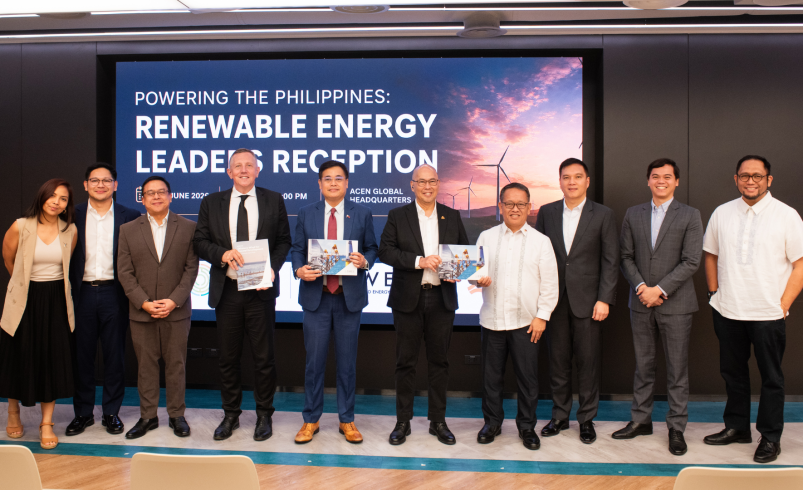
Launched at the energy leaders reception event in Manila, the study titled “Viable Business Models to Transform Strategic Ports into Offshore Wind Hubs in the Philippines” assessed the infrastructure, financing, and governance requirements needed to support offshore wind deployment.

“The Philippines possesses one of the most promising offshore wind pipelines in Asia, but realizing that opportunity requires more than project development alone. Ports are the backbone of the offshore wind value chain, and strategic investments today can unlock significant economic, industrial, and energy security benefits for decades to come,” said GWEC Senior Policy Officer Pope John Sotto.
According to the report, Agila Subic emerged as the strongest candidate to become the country’s primary offshore wind hub due to its deep-water access, industrial facilities and strategic location.
GWEC estimates that Agila Subic could attract about USD 215 million in phased investments. The first phase, aimed at supporting early offshore wind projects and bottom-fixed turbine technology, would require around USD 137 million in upgrades.
A second phase focused on floating offshore wind capability would need an additional USD 78 million for quay strengthening, heavy-lift infrastructure and expanded assembly areas.
Meanwhile, Bulalacao was identified as a longer-term opportunity that would require a larger greenfield development approach. The report estimates investment requirements of USD 252 million for Phase 1 and another USD 70 million for Phase 2.
The study said specialized offshore wind ports will be critical for manufacturing, assembly, transport, installation and long-term operations of future offshore wind projects. It recommended a phased, demand-led infrastructure strategy that aligns investments with the rollout of fixed-bottom and floating offshore wind technologies to avoid stranded assets.
“Global experience demonstrates that successful offshore wind hubs are built through careful planning, phased investment, and strong collaboration between the public and private sectors. The Philippines has a unique opportunity to learn from international best practices and establish a commercially viable offshore wind ecosystem from the outset,” Sotto said.
The report also highlighted the need for innovative financing mechanisms and public-private partnerships, noting that existing port tariff structures may not be sufficient to support offshore wind infrastructure investments. It recommended developing bankable concession-based business models, improving demand certainty, and establishing a national offshore wind port strategy roadmap.
GWEC said offshore wind port development could also attract industrial investments, strengthen local supply chains, create skilled jobs and boost the competitiveness of the Philippine maritime sector.
“The development of offshore wind infrastructure is ultimately an investment in the Philippines’ economic future. By building the maritime foundations needed for offshore wind, the country can attract new industries, create jobs, strengthen energy resilience, and position itself as a leader in the region’s clean energy transition,” Sotto said.
What do you think? Can strategic port investments help accelerate offshore wind deployment and strengthen the Philippines’ long-term energy security? Join the discussion.
Follow Power Philippines on Facebook and LinkedIn or join our Viber community for more news and updates on the Philippine energy sector.