June power rates rise 9% despite consumer relief measures
- July 7, 2026
- 0
Average residential electricity rates rose by 9% in June despite lower transmission charges and regulatory relief measures, bringing household power prices closer to levels seen during the 2022 to 2023 global energy crisis, according to the Institute for Climate and Sustainable Cities (ICSC).
Based on data from 116 distribution utilities tracked by ICSC’s Power Rates and Energy Supply Overview – Philippines, or PRESYO-PH, the national average residential electricity rate increased to PHP 12.51 per kilowatt-hour in June from PHP 11.47 per kWh in May.
This translates to an increase of PHP 1.04 per kWh in one month.

The increase came despite lower transmission charges, the suspension of the Green Energy Auction Allowance collection, and the Energy Regulatory Commission’s (ERC) approval of staggered billing schemes for some distribution utilities affected by high Wholesale Electricity Spot Market (WESM) prices.
The Green Energy Auction Allowance is a charge meant to support renewable energy projects awarded under the government’s green energy auction program, while WESM is the country’s spot market where electricity is traded to meet supply and demand.
ICSC said the relief measures were outweighed by higher generation costs under utilities’ power supply contracts. Generation costs refer to the cost of producing or buying electricity and typically account for 50% to 60% of residential electricity bills.
Several areas saw sharper increases, with some distribution utilities recording month-on-month residential rate hikes of more than PHP 4 per kWh, while others posted increases exceeding PHP 3 per kWh.
According to ICSC, these sharp increases prompted the ERC to implement staggered payment arrangements for affected distribution utilities to help ease the immediate impact on consumers.
The group warned that if the current trend continues, average electricity rates could approach levels seen during the global energy crisis in 2022 and 2023, when nationwide average residential rates peaked at around PHP 13 per kWh.
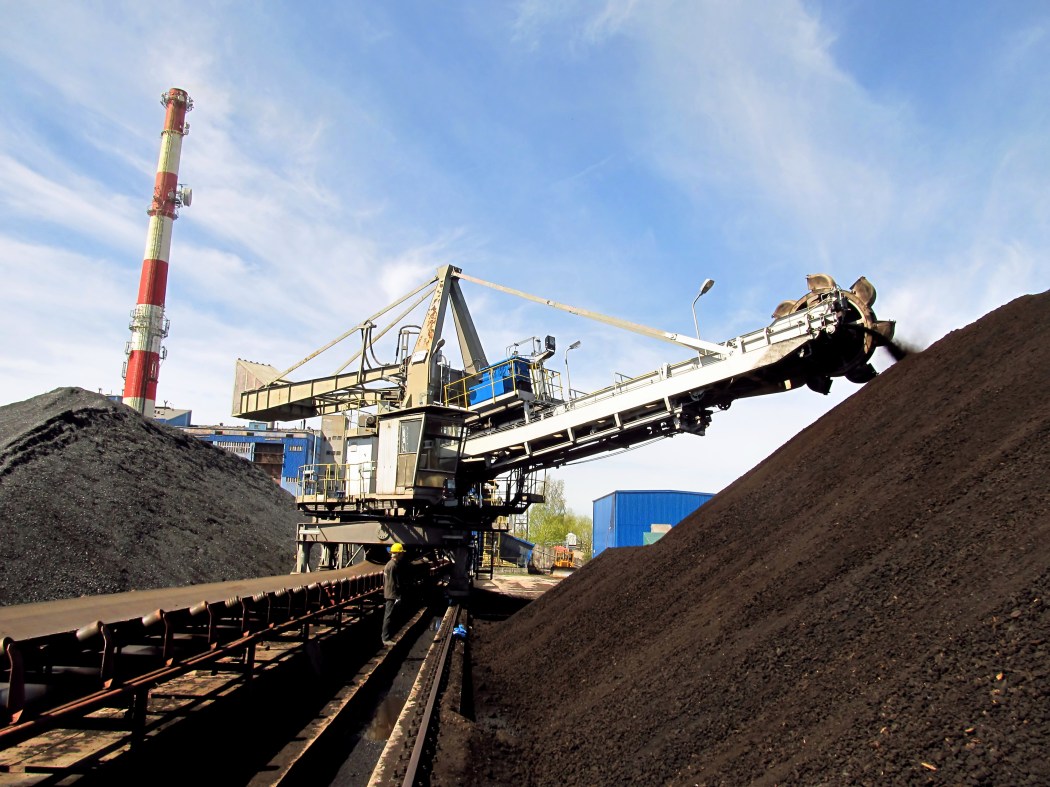
“Filipino families should not have to bear the burden of volatile global fuel prices every time they receive their monthly electricity bills. Much of today’s increase is being driven by higher generation costs, which remain closely tied to imported fossil fuels—particularly coal and imported natural gas,” said ICSC Energy Transition Advisor Alberto Dalusung III.
Dalusung said investing in more renewable energy would allow the country to gradually reduce dependence on imported fuels and build a power system that is more affordable and less vulnerable to price shocks.
ICSC said the latest increase shows the limits of temporary relief measures in shielding consumers from recurring power price spikes.
The group added that accelerating the deployment of indigenous renewable energy, including rooftop solar, could offer a more durable path toward affordable, reliable, and secure power.
Can faster renewable energy deployment help protect Filipino households from recurring power bill spikes?
Follow Power Philippines on Facebook and LinkedIn or join our Viber community for more updates.