Can hydropower come in a shipping container?
- July 20, 2026
- 0
Hydropower does not always have to begin with a large dam or years of civil works.
For Global Hydro, the future of small hydro in remote communities could look more like a factory-assembled hydropower plant: pre-assembled, transported to site, and connected with reduced construction requirements.
The company’s pre-assembled, modular smarT hydropower solution is designed to simplify small hydropower deployment by delivering the system either on a frame or as a containerized unit. Once civil works have been completed, installation and commissioning can be significantly faster than conventional small hydropower projects.

The smarT concept does not mean a hydro facility can be placed on any river and switched on instantly.
It means much of the work that would normally happen on site is completed earlier at the factory. The system is pre-assembled before delivery, reducing the amount of construction, installation, and coordination needed once it reaches the project location.
“smarT transforms small hydropower into a highly standardized, factory-assembled solution,” said Mr. Niko Valle-Schmitz, Area Sales Manager of Global Hydro.
For small hydro projects, this matters because construction complexity can determine whether a project moves forward. If a site requires extensive civil works, long mobilization periods, or specialized installation requirements, the project may become too expensive or difficult to pursue.
By simplifying deployment, modular systems like smarT aim to make smaller hydropower applications more practical, especially in areas where conventional project development may not be viable.
The containerized design is particularly relevant for remote sites.
Many potential hydropower locations are found in areas where access can be difficult, including mountain communities, isolated barangays, or places far from the main grid. Transporting equipment, materials, and construction teams to these locations can add cost and delay.
Niko Valle-Schmitz said the containerized format simplifies transport, reduces installation complexity, and minimizes on-site requirements even in challenging terrain.
The high degree of factory pre-assembly also reduces interfaces between suppliers, minimizes installation risks, and helps ensure consistent quality, as most assembly and testing are completed before delivery.
This does not remove the need for careful site preparation. A hydropower project still depends on the right water resource, civil design, permits, and local conditions.
But containerization can reduce one of the biggest barriers to small hydro development: the difficulty of bringing a complete power system to a remote location.
smarT is designed for smaller hydropower applications, typically in the range of 100 kilowatts to 1 megawatt.
That makes it different from large hydro plants built to serve broader grid demand. Its relevance is more local, potentially serving communities, facilities, mini-grids, or remote areas where a smaller but stable source of power can make a difference.
Whether a site is suitable depends on two basic factors: flow and head.
Flow refers to how much water moves through the river. Head refers to the height difference that gives water enough force to generate power. A site needs the right combination of both to support hydropower generation.
Niko Valle-Schmitz said many suitable river sites could potentially be developed using smarT, depending on hydrological, environmental, and regulatory conditions.
For the Philippines, that could make small hydro worth revisiting in areas where the resource exists but conventional development has been too costly, complex, or difficult to implement.
The strongest application may be in remote communities that still depend heavily on diesel generation.
Diesel power can be expensive in off-grid areas because fuel must be transported regularly, often across long distances, rough terrain, or island routes. These logistics can expose communities to high operating costs and fuel supply risks.
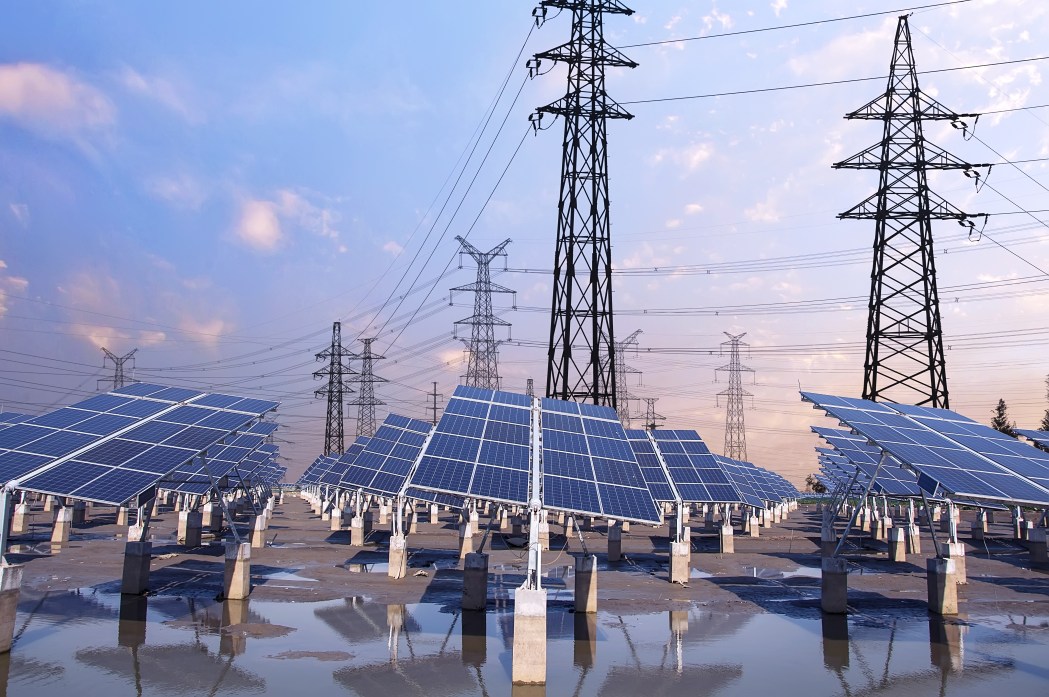
Niko Valle-Schmitz said smarT can be combined with solar and battery storage to create hybrid systems that reduce operating costs while providing stable and sustainable energy supply.
For isolated communities, this means modular hydro does not have to work alone.
Hydro can provide more stable generation when water conditions are suitable. Solar can add daytime supply. Batteries can store excess electricity and help balance demand when generation fluctuates.
Together, these technologies could support cleaner mini-grids that reduce diesel dependence without relying on a single renewable resource.
In emerging markets and remote regions, Niko Valle-Schmitz said the biggest advantage of smarT is simplicity.
Some small hydro projects may be technically possible but economically difficult under traditional development models. A suitable river may exist, but the project may still struggle because construction costs, logistics, and implementation risks are too high.
A pre-assembled system can help reduce that friction.
By minimizing on-site requirements, modular hydro can make certain projects more attractive to developers, local governments, or communities looking for decentralized power options.
Niko Valle-Schmitz said projects that would traditionally be considered too complex or too expensive can become feasible both technically and economically through simpler deployment models.
The Philippines’ decision to allow 100% foreign ownership in renewable energy projects creates new flexibility in how renewable energy projects can be structured.
Global Hydro has been active in the Philippine hydropower market for many years and has supplied numerous hydropower projects across the country. The company said this local experience provides valuable insight into the specific requirements of Philippine hydropower development and reinforces its long-term commitment to the market.
For Global Hydro, however, the company’s core role remains focused on technology.
Niko Valle-Schmitz said Global Hydro sees itself primarily as a technology partner, working with local stakeholders to deliver reliable and efficient hydropower projects.
That positioning is important in the Philippine context, where project development often depends on local partners, site-specific permitting, community engagement, and coordination with government agencies.
Rather than presenting modular hydro as a one-size-fits-all solution, Global Hydro’s smarT concept points to a more targeted opportunity: smaller sites where the water resource is suitable, the community need is clear, and simplified deployment can improve project economics.
For many people, hydropower still brings to mind large dams, major infrastructure works, and long development timelines.
But the next opportunity for hydro in remote areas may look different.
It may involve smaller systems that arrive mostly assembled, connect with other renewable technologies, and help communities reduce dependence on diesel where local water resources allow.
For the Philippines, that makes modular hydropower less about replacing large hydro plants and more about expanding the range of communities that can realistically consider hydro as part of their local energy mix.
As the Philippines looks for cleaner ways to power remote communities, could modular hydropower help turn overlooked rivers into reliable local energy sources?
Follow Power Philippines on Facebook and LinkedIn or join our Viber community for more updates.