DOE fuel subsidy network surpasses 2,000 gas stations nationwide
- June 16, 2026
- 0
The Department of Energy (DOE) announced that more than 2,000 fuel stations nationwide are now operational under the government’s Fuel Subsidy Program (FSP), expanding access to fuel assistance for public utility jeepney (PUJ) and UV Express drivers.
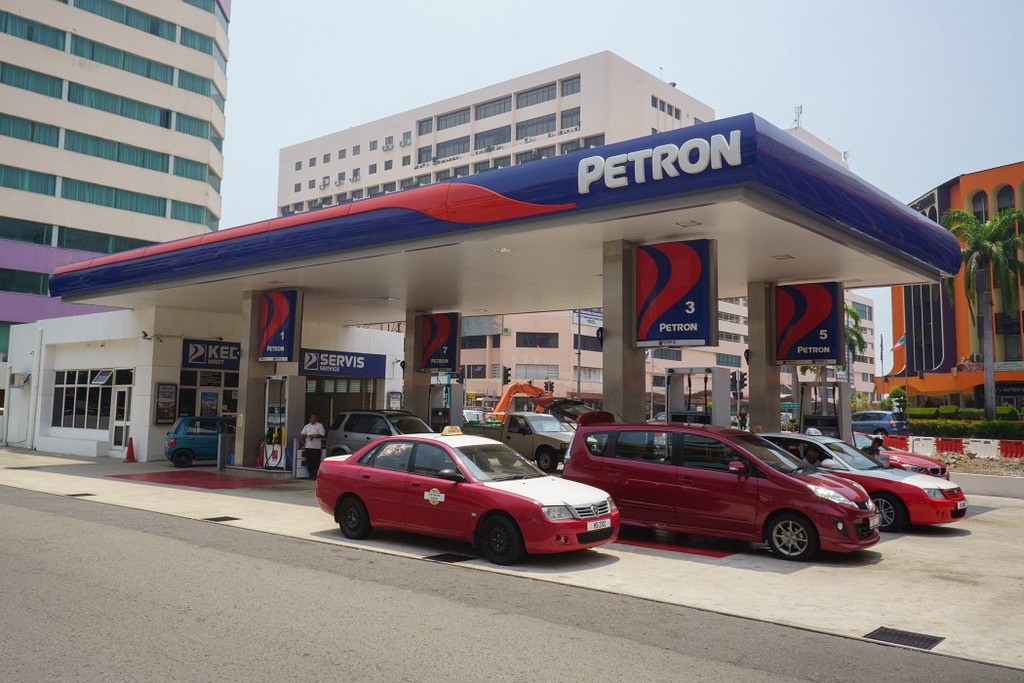
As of June 15, a total of 2,077 liquid fuel retail outlets (LFROs) have completed all onboarding and enrollment requirements under the program, nearly doubling the number of participating stations recorded two weeks earlier.
The DOE said the expanded network now covers all regions of the country, strengthening efforts to ensure that fuel assistance reaches transport workers more quickly and conveniently.

Participating stations include 419 outlets in the National Capital Region, 427 in Northern Luzon, 442 in Southern Luzon, 391 in the Visayas, and 398 in Mindanao.
Eligible PUJ and UV Express drivers may receive fuel assistance of up to PHP 1,500 per vehicle per week for three months under the program.
According to the DOE, all participating stations have completed onboarding requirements with the Land Bank of the Philippines or other authorized banks and have established the necessary systems and dedicated lanes to facilitate transactions.
“Every day, we continue to expand the network because we want fuel assistance to be easier and more accessible for our drivers,” Energy Secretary Sharon S. Garin said.
“Reaching the 2,000-station mark reflects the government’s commitment, under the direction of President Ferdinand R. Marcos Jr., to ensure that support reaches transport workers who are directly affected by rising fuel prices,” she added.
The Fuel Subsidy Program is being implemented under the Unified Package for Livelihoods, Industry, Food, and Transport (UPLIFT) Program pursuant to Executive Order No. 110, which declared a State of National Energy Emergency.
The program aims to cushion the impact of global oil market volatility on the transport sector and help protect the livelihoods of drivers and operators.
The DOE also disclosed that the government is preparing to expand the program’s coverage to include logistics vehicles engaged in the delivery of agricultural products, including trucks and vans transporting goods to markets and distribution centers nationwide.
The agency said the planned expansion aims to support agricultural supply chains and help stabilize food distribution costs amidst continued fuel price volatility.
As the Fuel Subsidy Program expands beyond public transport and toward agricultural logistics, how much of a role can targeted fuel assistance play in protecting both mobility and food supply chains from volatile global oil prices?
Follow Power Philippines on Facebook and LinkedIn or join our Viber community for more updates.