DOE pushes for more local energy sources to strengthen energy security
- June 30, 2026
- 0
The Department of Energy (DOE) is stepping up efforts to develop the Philippines’ own energy resources to reduce the country’s dependence on imported fuel.
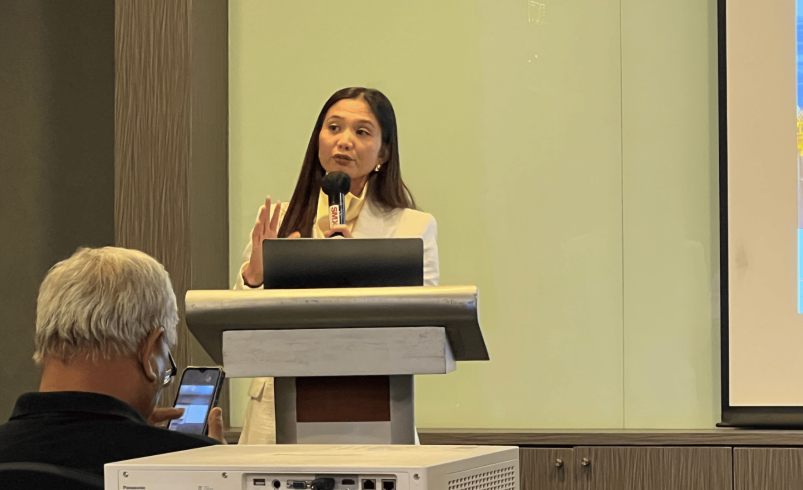
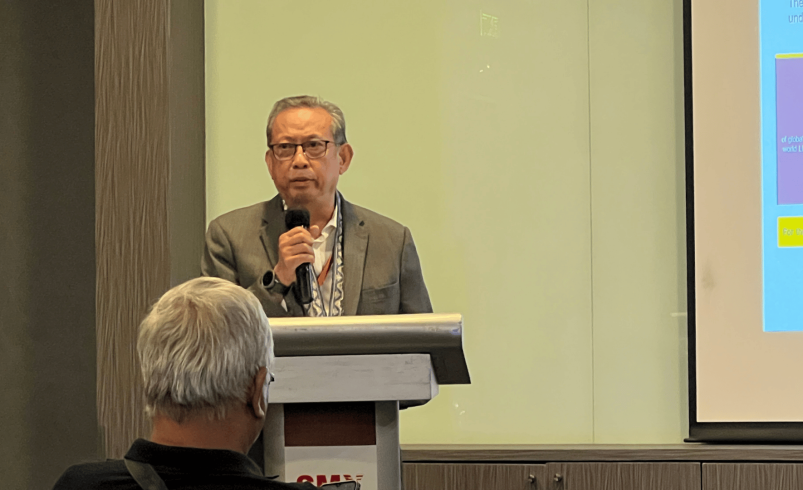
Speaking at the 9th Oil & Gas Philippines Expo 2026, DOE Undersecretary Alessandro Sales said the temporary closure of the Strait of Hormuz highlighted the country’s vulnerability to global events, as disruptions in international oil supply led to higher fuel prices and inflation.
The Strait of Hormuz is the world’s most important oil chokepoint, where 20% of the world’s crude oil passes through. Sales shared that the world uses over 100 million barrels of crude oil per day, so when the Strait of Hormuz first closed, about 20 million barrels per day were affected.

“If we rely on imported, ‘pag may nangyari sa ibang part ng mundo, yung effect sa atin ay napakalaki dahil we import everything when it comes to transportation, yung fuel natin, imported,” he said during his session about the Philippine upstream petroleum industry.
[If we rely on imports, whenever something happens in another part of the world, the impact on us is very significant because we import almost everything related to transportation, including our fuel.]
“Even sa kuryente natin, yung LNG (Liquified Natural Gas), ini-import natin; yung coal, ini-import natin, and so we have to use indigenous,” he added.
[Even for our electricity, we import liquefied natural gas (LNG) and coal. That’s why we need to make use of our own indigenous energy resources.]
To address this, the DOE issued new circulars to support upstream energy development, including opening the Philippines’ geological data to encourage exploration. Sales also highlighted the passage of the Philippine Natural Gas Law, which gives priority to locally produced natural gas.
These reforms have already attracted new investments, with the DOE awarding 12 new service contracts that allow foreign companies to explore for petroleum in the Philippines. According to Sales, these contracts represent nearly $218 million in committed exploration investments over the next seven years.
Expanding local energy resources
Sales also mentioned the extension of the Malampaya Service Contract 38, which launched a nearly USD 900 million program to increase Malampaya’s natural gas production.
He said three wells were drilled last year, with the two now being connected to the offshore production facilities.
“First gas from these two production wells is expected by the fourth quarter of this year,” Sales said.
Sales also shared that the government is investing $10 million to acquire new geophysical data, the first such initiative in Philippine history, to support the search for more indigenous energy resources.
This will involve an airborne geophysical survey, covering 40,000 kilometers from Agusan to the Davao Gulf. The survey is expected to begin in August and take about four months to complete.
If Congress approves the funding, Sales said they plan to conduct a larger 80,000-square-kilometer survey across Central Philippines in 2027.
Aside from natural gas, the DOE is also positioning the Philippines as one of the first countries to establish a regulatory framework for natural hydrogen exploration, having already signed three hydrogen exploration contracts.
“The Philippines is the first country to issue a bid round for natural hydrogen. And we are one of the first jurisdictions in the world na may maliwanag na patakaran about exploring for, developing, and producing natural hydrogen,” Sales stressed.
[The Philippines is the first country to launch a bidding round for natural hydrogen. We are also one of the first jurisdictions in the world to have clear policies on the exploration, development, and production of natural hydrogen.]
Balancing energy security, clean energy goals
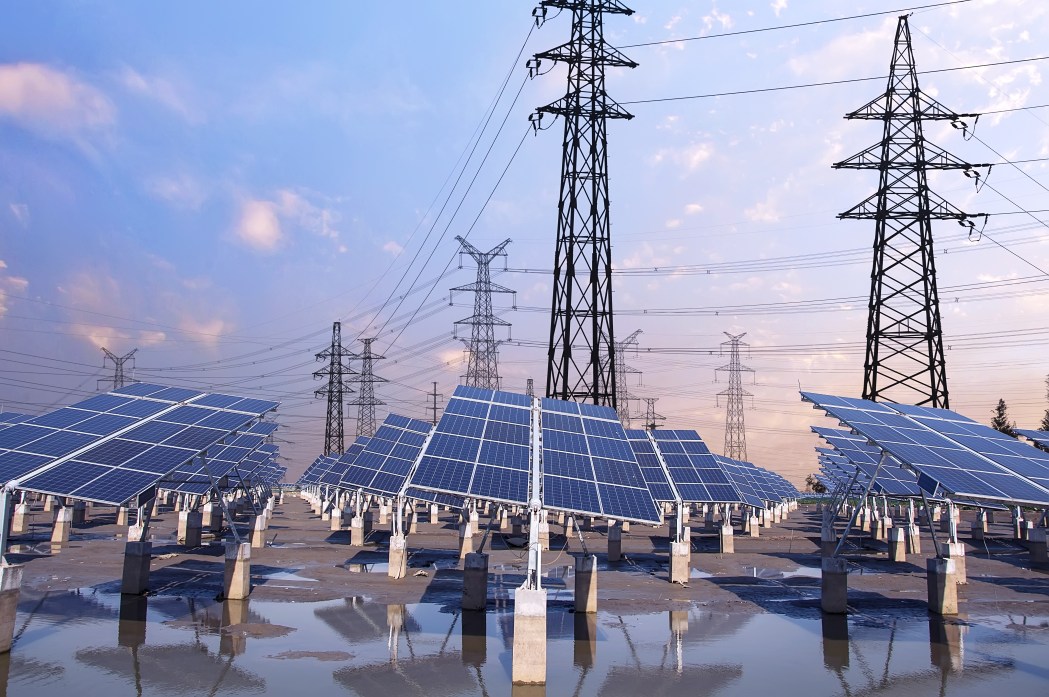
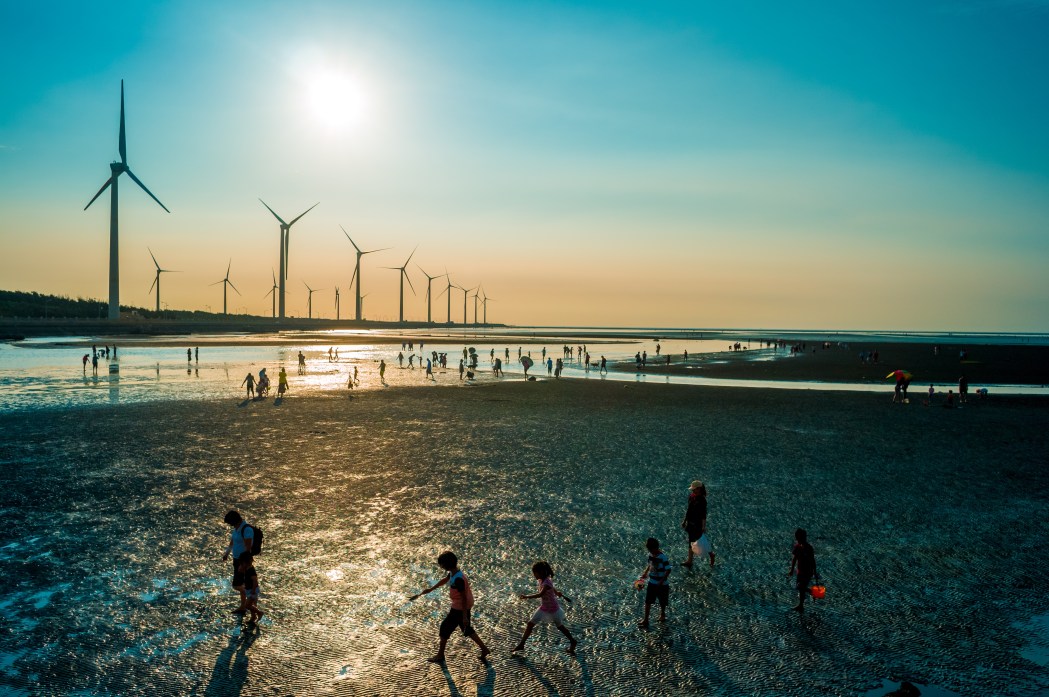
Even with the expansion of oil and gas exploration, Sales said renewable energy is still a key part of the country’s long-term plan, with targets of 35% of the energy mix by 2030 and 50% by 2040.
During the session’s question-and-answer portion, the DOE official explained that energy transition is ultimately driven by economics, and that the shift to new energy technologies takes time and happens gradually.
He compared this to past technologies like pagers and telegrams, which were replaced only when newer, more cost-effective technologies became available.
“Unfortunately, ganoon ang ating ang setup sa energy. So, may incumbent technology, ito yung petroleum,” he said. “Hindi naman tayo losing hope, pero dapat realistic tayo na ito ay period ng transition.”
[Unfortunately, that’s how our energy system is set up. There is an incumbent technology, which is petroleum. We are not losing hope, but we have to be realistic that this is a period of transition.]
Sales noted that solar energy has become more affordable over the years, making it increasingly competitive, while hydrogen is still developing and remains costly. However, the DOE sees hydrogen as a potential future fuel for hard-to-electrify sectors like heavy transport, shipping, and aviation.
To further support investment, the DOE is also working with other government agencies to simplify administrative procedures through a joint administrative order to make processes more aligned and efficient across government agencies, such as the DOE, Department of Finance, Bureau of Customs, and Maritime Industry Authority.
Sales emphasized that the DOE’s commitment to renewable energy remains strong, expressing confidence that the Philippines will achieve a 35% renewable energy share by 2030.
Follow Power Philippines on Facebook and LinkedIn or join our Viber community for more updates.