House scrutinizes “big 3” oil companies due to rapid spikes in petroleum prices
- April 14, 2026
- 0
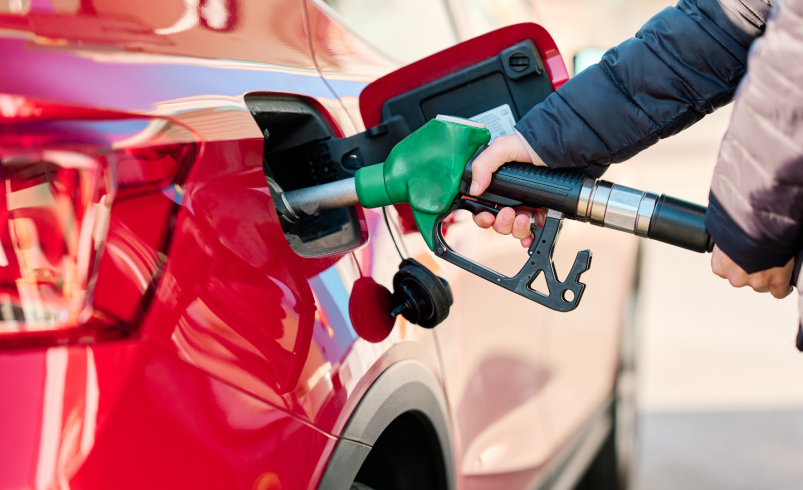
The House Legislative Energy Action Development (LEAD) Joint Committee hearing has questioned the “Big 3” oil companies for its swift action to increase oil prices using old inventories that were purchased at lower costs—a pattern viewed as unfair during periods of global volatility.
Marikina City Rep. Miro Quimbo, presiding officer of LEAD hearing raised what he described as the most basic question Filipinos are asking.
“Very, very simple lang ang tanong parati ng ating mga kababayan. Bakit binili po ninyo bago mag-giyera at $60 per barrel … Bakit ‘pag binibenta ninyo after the war ay doble ang presyo? Ano ba ang dahilan diyan? Palinawagan niyo po kami kung bakit nagkakaganyan,” Quimbo said.

The LEAD Joint Committee is currently examining the pricing mechanism, to look at policy options to ensure that global oil shocks do not translate into disproportionate burdens on consumers.
Raphael Capinpin, representing the Philippine Institute of Petroleum (PIP), said local pump prices are not based on the cost of existing inventory but on global price movements and the cost of replacing supply.
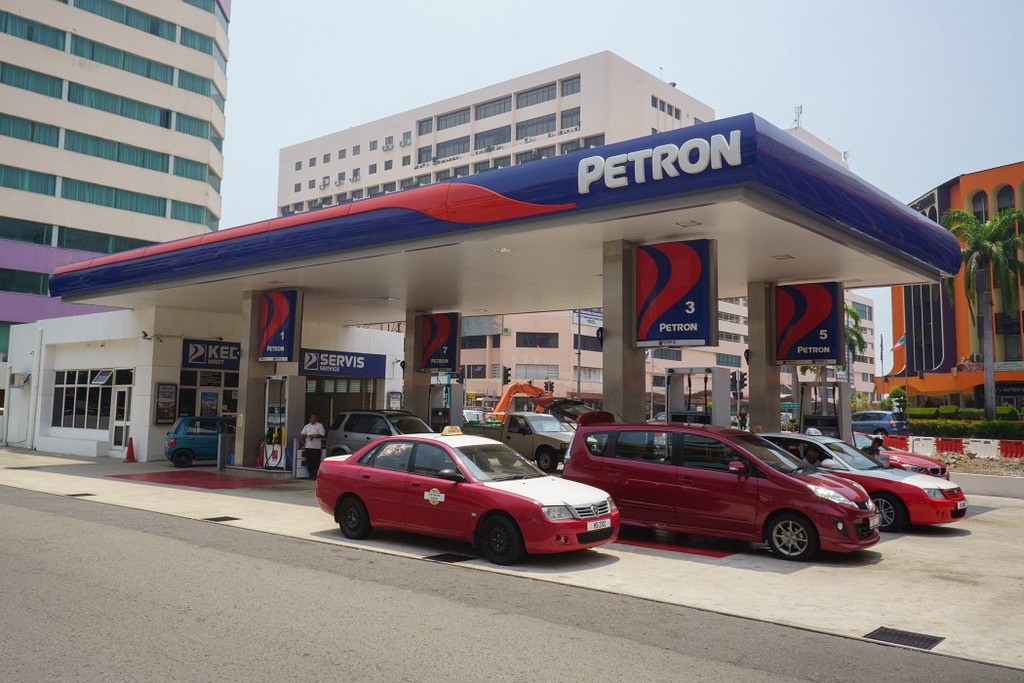
PIP groups oil companies operating in the country, including Petron, Shell, and Chevron or the so-called “Big 3”.
Capinpin explained that the Philippine oil industry follows a “week minus one” pricing system, where companies take the five-day average of global prices from the previous week and compare it with the five-day average from the week before, with the difference applied to current pump prices.
He added that companies use “replacement cost pricing” to ensure they can continue buying fuel at current international prices.
“Replacement cost pricing is not invented here. It’s an accounting practice, current cost of accounting, current cost of supplies, it is used for commodities. It is to ensure that you are able to buy replacement for the stocks that you sold,” he said.
Quimbo translated the PIP explanation as a small retailer forced to adjust prices to avoid losses.
“Kumbaga sa tindahan, bumili ka ng bigas sa P45 per kilo pero naging P80 na ang presyo sa merkado, kaya kailangan mong mag-adjust dahil hindi ka na makakabili ng panibagong supply kung ibebenta mo pa rin sa P45,” he said.
Quimbo, however, emphasized that while supply continuity is important, consumers should not shoulder the full impact of sudden price spikes.
Meanwhile, Atty. Jose Layug, director of the Philippine Energy Research and Policy Institute (PERPI), said the pricing system follows a long-established formula under Republic Act No. 8479, or the Oil Deregulation Law.
“So ‘yung paggalaw po ng presyo ng langis ever since our time, even before our time, ay week-on-week basis,” Layug, who once served as undersecretary at the Department of Energy (DOE), said.
According to Layug, pump prices are based on global benchmarks such as the Mean of Platts Singapore and adjusted using weekly averages.
“So halimbawa po ‘yung movement for tomorrow, ‘yan po ay a result of the oil prices last week compared to the previous week. ‘Yun na po ang nakagisnan ng DOE and in coordination with the oil companies and the transport sector, ‘yun po yung tinitingnan namin every week,” he said.
Layug added that the DOE monitors price movements and calls out companies when adjustments fall out of expected ranges.
“So kung hindi akma doon sa calculation ng DOE, tinatawagan naman nila ang oil companies at sasabihin kulang po ‘yung pagbaba,” he said.
Still, Quimbo pointed to a persistent public perception that price increases happen faster than rollbacks, a pattern lawmakers said continues to raise fairness concerns.
“Ibig sabihin itong rollback, bakit ang obserbasyon ng mga kababayan natin kapag nagtataas ang bilis, pero kapag bumababa ang bagal?” he asked.
Layug said price movements follow a formula but noted that competition varies across locations.
He explained that prices tend to be similar among stations located close to each other, as they monitor and adjust against competitors in the same area, but prices differ across regions and locations.
Follow Power Philippines on Facebook and LinkedIn or join our Viber community for more updates.