House Speaker Dy leads filing of Kalinga Act to address impact of fuel crisis
- April 14, 2026
- 0
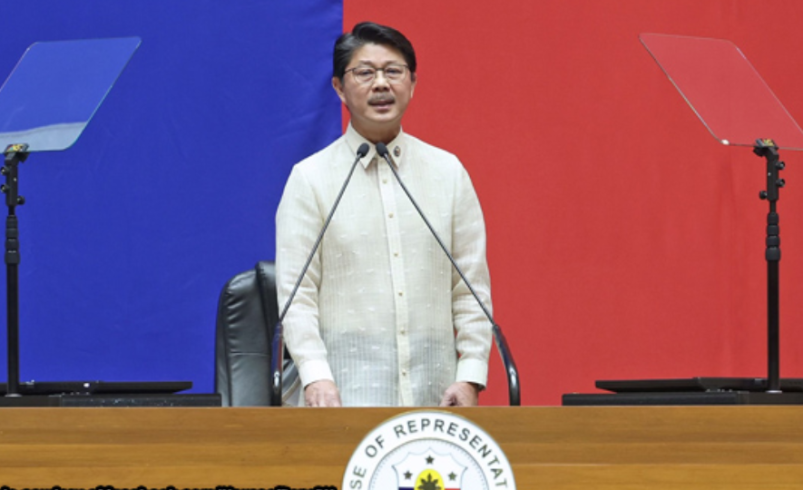
Photo credit: House of Representatives of the Philippines
House Speaker Faustino “Bojie” G. Dy III announced the creation of the KALINGA Act, the first legislative move to cushion the impact of inflation due to oil price increase and to ensure stable energy and oil supply during the global crisis.
Dy along with House Majority Leader Ferdinand Alexander “Sandro” A. Marcos, filed House Bill No. 8834 establishing the KALINGA Program—Komprehensibong Alalay sa Livelihood, Inflation, Negosyo and Goods Assistance—a centralized framework designed to cushion the impact of fuel-driven inflation while ensuring energy and essential goods supply.

The Kalinga Act has seven (7) components: (1) fuel price stabilization; (2) energy supply security and inventory management; (3) targeted assistance; (4) essential goods and logistics stabilization; (5) MSME energy relief and business continuity; (6) energy conservation and demand reduction; and (7) flexible fiscal and regulatory measures.
Through section 5 of the proposed law, the Fuel Price Stabilization Component includes targeted fuel subsidy programs for the transport, agriculture, fisheries, and logistics sectors; flexible fuel tax adjustments, including the temporary suspension, reduction, or staggered implementation of excise taxes on petroleum products; fuel price-smoothing mechanisms; temporary transport fare support programs; and other price stabilization interventions as may be necessary.
Speaker Dy said the measure intends to enable the government to act quickly before fuel price spikes ripple across the entire economy.
“Kapag tumaas ang presyo ng krudo, may domino effect ito sa pamasahe, pagkain, kuryente, at presyo ng mga bilihin. Hindi puwedeng maghintay lang tayo habang tumataas ang presyo ng bilihin. We need to be proactive,” said Dy.
“TheKALINGA bill creates a fuel price stabilization shield so the government can intervene quickly through targeted subsidies, flexible tax tools, and price-smoothing mechanisms to cushion the impact on ordinary Filipinos.”
Dy emphasized that the stabilization component is designed to provide immediate relief while the broader KALINGA framework addresses supply, logistics, and long-term resilience.
“This is not just about reacting to price increases. It’s about preventing a full-blown inflationary spiral by stabilizing fuel costs at the outset,” the Speaker said.
The measure prioritizes targeted and time-bound interventions, including support for the transport, agriculture, fisheries, and logistics sectors—industries most directly affected by fuel price movements.