Optimizing Island Energy: How Fichtner’s BESS Optimizer is Transforming Power Systems
- July 10, 2026
- 0
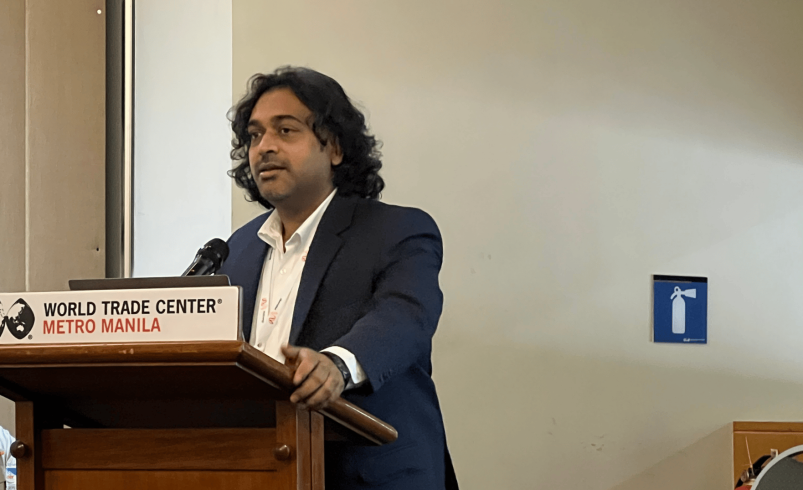
The Philippines’ energy transition presents one of the most complex challenges in Southeast Asia. With more than 7,600 islands, the country requires tailored energy solutions that address the unique needs, resources, and conditions of each community.
During a seminar at PhilEnergy Expo 2026, Dr. Kameswara Satya Prakash Oruganti, a project engineer at Germany-based engineering and consulting firm Fichtner, discussed how the company’s Hybrid configurator and Battery Energy Storage System (BESS)Optimizer tool helps clients integrate renewable energy resources while optimizing battery storage and maximizing revenue opportunities.
The Philippines achieved a household electrification rate of 94.75% in 2024, providing electricity access to 27.9 million households.

Dr. Oruganti noted that approximately 3.1 million households remain without access to electricity, with many located in geographically isolated and disadvantaged areas.
“Each island might have a unique problem,” he said during his presentation about microgrids and geographical fragmentation.
“Every site might have a unique solar irradiance pattern, diesel logistics, community needs, a different load profile, land constraints, and then a regulatory environment,” he added.
Optimizing Hybrid Energy for Every Island
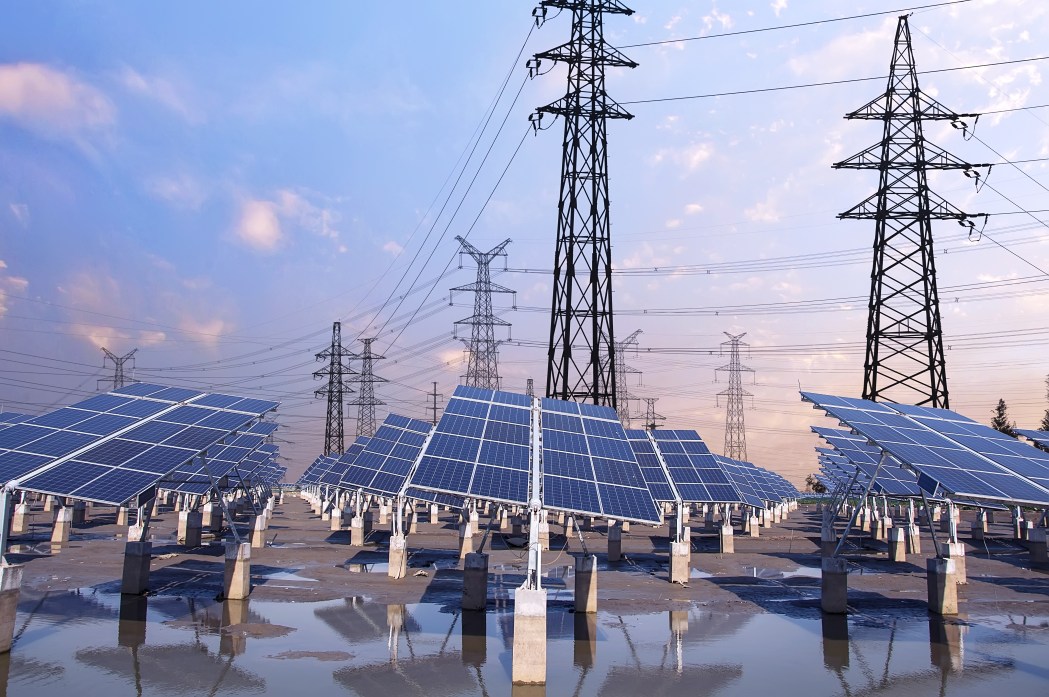
As renewable energy deployment expands, hybrid power systems combining solar photovoltaic (PV), wind, and battery energy storage are becoming a practical solution for off-grid communities.
“The hybrid power plant or a BESS concept is no more a technical discussion, but rather it is an actively happening scenario,” Oruganti said.
According to Fichtner’s project engineer, many developers are looking at combining BESS with solar, wind, pumped-storage hydropower, or combined cycle gas turbines. But the challenge here is determining the best mix that lowers the levelized cost of energy while maximizing the use of renewable energy.
“This is where Fichtner comes into the picture,” he said. “We are bringing our internal developed tool, which is our FHC & BESS optimizer. This particular optimizer is a web-based tool Fichtner has developed using our in-house experience, which is more than 10 years.”
Through this platform, Fichtner helps its clients design and optimize hybrid energy systems by evaluating different combinations of renewable and conventional power sources with battery storage.
Oruganti said it can model front-of-the-meter and behind-the-meter BESS applications, forecast revenues, and identify opportunities for revenue stacking, including ancillary grid services, such as frequency regulation and black-start capability.
The tool also optimizes battery sizing and simulates how BESS works with solar, wind, geothermal, gas turbines, and grid imports and exports to improve system performance and project value.
Bridging Energy Gaps
Asked how energy storage innovation can address fragmentation challenges in the next decade, Oruganti said it can help by enabling localized microgrids tailored to each area’s resources.
He said remote regions can be assessed for their best energy sources, such as solar PV or wind, and paired with BESS to create reliable microgrids, serving industries and households.
“We need to look at localized microgrid setup,” he said. “Once the central grid, the three grids from Luzon and the other two, if they’re ready to get interconnected, these microgrids can be interconnected.”
Oruganti noted that Fichtner can help throughout the whole process, from planning and feasibility studies to installation, commissioning, and long-term operation of BESS.
“Fichtner can help in all the various project stages, starting from pre-feasibility to the project lifetime,” he said.
About Fichtner Hybrid Configurator
The Fichtner Hybrid Configurator is a powerful online tool for the planning, optimization, and economic evaluation of On-grid and Off-grid Hybrid Energy Systems composed of a Photovoltaic power plant, Wind farm, Energy storage, and conventional power plant. Through precise technical simulation combined with a detailed financial analysis, the tool enables a sound decision-making basis for investors and project developers.
The tool simulates a vast number of configurations involving several different power production technologies and system sizes. Varying between different technologies and system sizes within the tool makes it possible to identify the most important financial and technical key parameters for the power plant owners, developers, and designers.
The tool is enabler for evaluating the grid stabilization for timely storing and release of energy, to ensure reliable power supply, reducing dependency on fossil fuel and contributing to more sustained energy future.
Stabilizing the Grid: BESS helps maintain grid stability by storing excess energy generated from renewable sources and releasing it when needed, ensuring reliable power supply, eventually facilitating the integration of intermittent renewable sources making the energy grid more resilient and efficient hence achieving overall cost efficiency.
The integration of BESS is a strategic move to ensure the Philippines’ energy infrastructure can adapt to the growing demand for clean and sustainable energy sources.
With every island facing unique energy challenges, can BESS technology redefine how the Philippines plans, builds, and manages its future power systems?
Follow Power Philippines on Facebook and LinkedIn or join our Viber community for more news and updates on the Philippine energy sector.