PH fuel prices may ease next week as MOPS benchmarks soften
- April 10, 2026
- 0
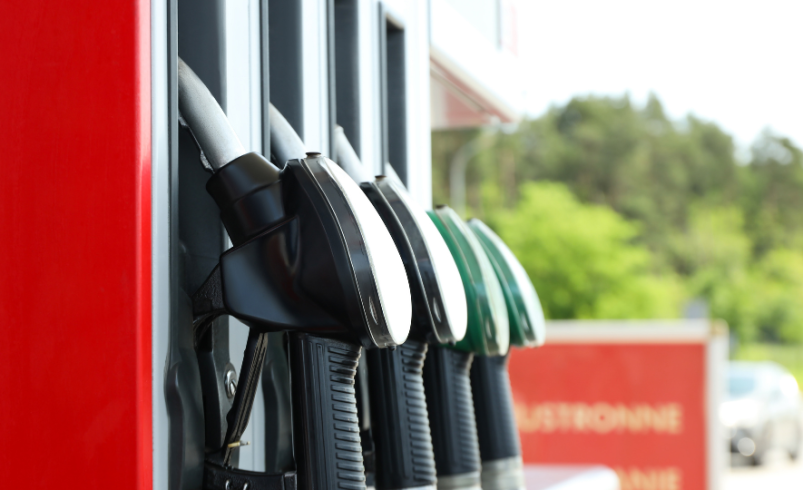
Fuel prices in the Philippines are projected to decline next week, with diesel expected to fall by PHP 2.50 to PHP 3.50 per liter and gasoline by around PHP 1 per liter, an oil industry source told News5.
The outlook is based on early-week movements in the Mean of Platts Singapore (MOPS), the regional benchmark used in pricing imported refined petroleum products in the Philippines. Oil firms base weekly pump price adjustments on the average of MOPS assessments and foreign exchange movements.
MOPS-linked refined fuel assessments in Singapore declined in the first two to three trading sessions of the week, with diesel (gasoil) falling by roughly 13% to 17% week-on-week, while gasoline declined by about 12% to 14%, based on market trading ranges during the period.

The movement in refined fuel benchmarks tracked softer sentiment in global oil markets after reports of easing geopolitical tensions, including the announcement of a temporary two-week ceasefire between Iran and the United States.
Energy lawyer Atty. Jay Layug, executive board member of the Philippine Energy Research and Policy Institute, told Power Philippines on Wednesday that international crude benchmarks were reflecting the easing risk environment.
“WTI and Brent were trading below USD 100 per barrel after the announcement,” Layug said.
He added that Dubai crude is also expected to ease from around USD 120–USD 130 per barrel, as market sentiment adjusts to reduced geopolitical risk premiums.
“Hopefully the market will quickly reflect lower crude prices as geopolitical tensions ease,” Layug said.
Movements in crude benchmarks typically influence downstream refined product pricing through refining margins, which are later reflected in Asia’s fuel pricing indicators such as MOPS.
Diesel recorded a sharper decline than gasoline in early MOPS trading, reflecting its higher exposure to freight costs and supply disruption risks in global trade flows.
The Philippines, which relies heavily on imported petroleum products, bases weekly pump price adjustments on the average movement of MOPS and foreign exchange rates. As a result, movements in Singapore trading typically translate into domestic price adjustments within the following week.
Oil companies are expected to finalize next week’s pump price adjustments after full-week trading data and currency movements are accounted for.
Any renewed escalation in geopolitical tensions could still reverse recent declines in global crude and refined fuel benchmarks in the coming weeks.
Given easing crude and refined fuel benchmarks, do you expect Philippine pump prices to sustain downward adjustments in the coming weeks—or will volatility in global oil markets quickly reverse the trend?
Follow Power Philippines on Facebook and LinkedIn or join our Viber community for more updates.