PH has a chance to avoid Southeast Asia’s solar growing pains
- July 14, 2026
- 0
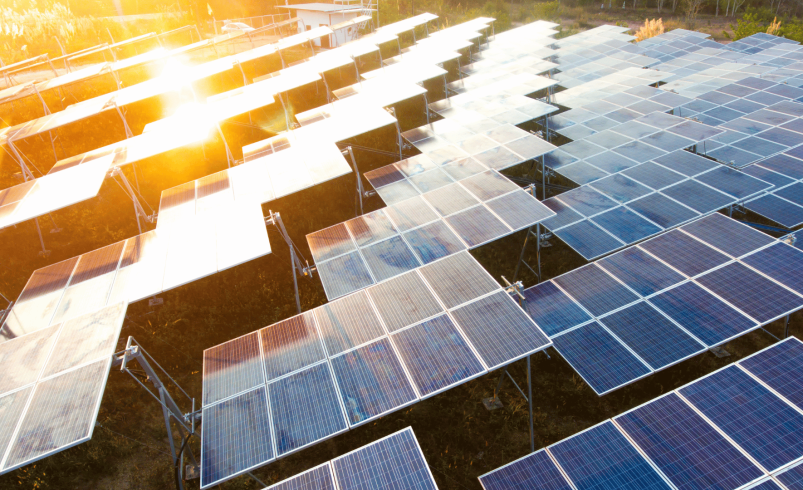
As the Philippines accelerates renewable energy development, it has an opportunity that many of its Southeast Asian neighbors did not: learning from the regulatory and implementation challenges that emerged as their solar markets expanded.
That advantage could help the country avoid costly delays, grid bottlenecks and policy uncertainty that slowed renewable energy deployment elsewhere in the region, according to ClientEarth.
“The Philippines has the advantage of learning from countries that expanded solar earlier,” Atty. Smile Yu, Lawyer for Resources, Energy & Mobility (Japan & Southeast Asia) at ClientEarth, told Power Philippines.

Rather than waiting for problems to emerge, Yu said safeguards should be incorporated into the country’s legal framework while the market is still growing.
“This means ensuring that renewable energy planning is coordinated with land-use planning, environmental regulation, and transmission development, rather than treating them as separate processes,” she said.
“It also means establishing clear and predictable permitting processes, transparent grid connection rules, and regulatory frameworks for energy storage alongside continued investment in transmission infrastructure as solar deployment accelerates,” Yu added.
The recommendation comes as the Philippines pushes to increase renewable energy’s share in the power generation mix to 35% by 2030 and 50% by 2040.
Solar has also become a dominant technology under the Department of Energy’s Green Energy Auction Program, accounting for more than half of the capacity awarded during the first two auction rounds.
Yu said experiences across Southeast Asia demonstrate that ambitious renewable energy policies alone are not enough.
“In rapidly expanding solar markets, the biggest challenges are usually not the absence of renewable energy policies, but the pace and consistency of their implementation,” she said.
Vietnam offers one of the clearest examples.
“Vietnam’s rapid solar expansion demonstrated both the opportunities and challenges of scaling renewable energy. While supportive policies accelerated investment, the pace of deployment highlighted the importance of expanding transmission infrastructure in parallel, as grid congestion and renewable energy curtailment emerged in some regions,” Yu said.
Indonesia, meanwhile, illustrates the importance of regulatory consistency despite abundant renewable energy resources.
“As rooftop solar regulations evolved and local content requirements continued to develop, developers and investors had to adapt to changing regulatory conditions despite the country’s significant solar potential,” she said.
Malaysia’s experience likewise shows how regulatory frameworks must evolve as renewable energy deployment matures.
“Malaysia’s increasing focus on agrivoltaics and land-use planning, for example, reflects how legal and policy frameworks have had to evolve to better manage competing land uses as utility-scale solar expands,” Yu said.
Taken together, Yu said, these examples underscore a broader lesson for governments pursuing aggressive renewable energy targets.
“Taken together, these experiences demonstrate that regulatory success depends on implementation keeping pace with policy ambition,” she said.
“Ambitious renewable energy targets must be accompanied by timely permitting, predictable regulatory frameworks, and strong institutions capable of implementing them. Without these, even well-designed policies can face delays, higher project risks, and slower deployment.”
Looking across Southeast Asia, Yu said the countries that have made the greatest progress in translating renewable energy ambitions into actual emissions reductions have one thing in common.
“Looking across Southeast Asia, the distinguishing factor is not the ambition of renewable energy targets, but the strength of the legal and institutional frameworks that support them,” she said.
“Countries that establish predictable regulations, coordinate planning across sectors, invest in transmission infrastructure and grid modernization, and maintain regulatory certainty are better positioned to translate renewable energy ambitions into real emissions reductions.”
For the Philippines, Yu said, acting on those lessons before challenges emerge could help sustain both renewable energy investment and long-term energy transition goals.
What lessons from Southeast Asia’s renewable energy journey do you think the Philippines should prioritize as it expands its own solar sector? Share your thoughts in the comments.
Follow Power Philippines on Facebook and LinkedIn or join our Viber community for more news and updates on the Philippine energy sector.