PH hits 25% renewable energy share as DOE accelerates clean energy push
- May 25, 2026
- 0
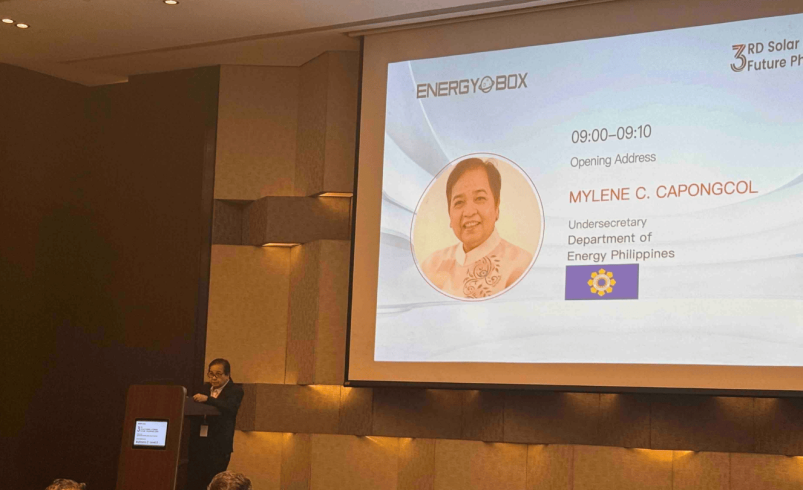
The Philippines’ renewable energy (RE) share in the power generation mix reached 25% by the end of 2025, up from the previously stagnant 22% level, as the government continues to accelerate renewable energy and energy storage development across the country, according to the Department of Energy (DOE).
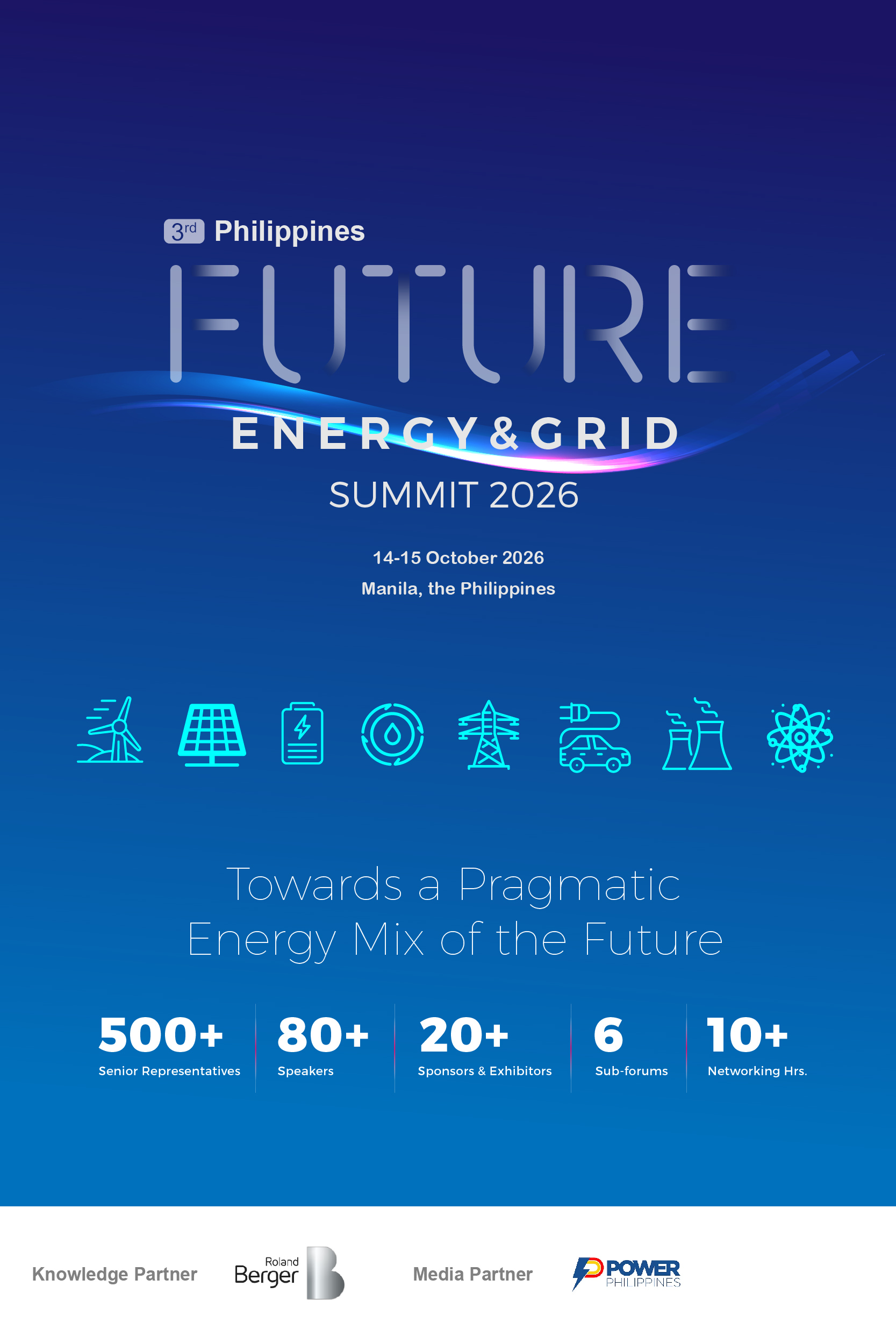
DOE Undersecretary Mylene C. Capongcol said the government remains focused on achieving a 35% RE share in the power generation mix by 2030. She made these statements during the 3rd Solar and Energy Storage Future Philippines 2026 conference held at Hilton Manila Newport World Resorts.
“Our target actually is to achieve 35% renewable energy share in the power generation,” Capongcol said. “So at the end of December 2025, we are now at 25% so that’s a huge accomplishment.”

Coal remains the country’s dominant power source. According to DOE data, coal still accounted for 57% of the country’s power generation mix in 2025, while natural gas contributed 17% and oil-based generation accounted for around 2%.
Capongcol acknowledged the challenge of reducing coal dependence even as the government accelerates renewable energy development. “So despite the effort that we have, the bigger challenge is how to reduce the share of coal,” she said.
Capongcol said the DOE has so far awarded around 1,373 renewable energy service contracts equivalent to roughly 139 gigawatts of potential capacity. She said these projects could significantly improve power supply reliability once operational.
“So imagine if these all projects will go into operation, we have more than enough, and of course, will not be experiencing the red alerts and the yellow alerts,” she said.
The DOE official also highlighted reforms aimed at speeding up renewable energy development, particularly changes in the service contract process.
According to Capongcol, the DOE now issues certificates of authority that allow renewable energy developers to begin processing permits and licenses earlier in the project cycle.
“That certificate of authority allows the RE developer or the contract holders to process the permits and licenses needed, which sometimes takes years,” she said.
She explained that the move aims to help developers maximize the 25-year operating term of their projects by preventing permitting delays from consuming development timelines.
Beyond utility-scale solar projects, Capongcol said the DOE is also encouraging alternative solar deployment models such as rooftop solar, agrivoltaics, and floating solar systems.
The DOE has likewise been expanding policies supporting energy storage systems as renewable energy capacity grows.
Capongcol said the government recently introduced a requirement for solar facilities with capacities of 10 megawatts and above to integrate energy storage systems.
On the consumer side, the DOE has also revised the Green Energy Option Program (GEOP) to widen access to renewable energy supply, particularly for micro, small, and medium enterprises (MSMEs).
Capongcol said the revised rules lowered participation thresholds and introduced aggregation mechanisms to help smaller consumers participate in renewable energy sourcing.
“So what we have done is we reduced the threshold to support the MSMEs, the small, medium and scale establishment, and allowed aggregation,” she said.
She also noted that the DOE, together with the Department of the Interior and Local Government and the Department of Public Works and Highways, issued a joint memorandum circular aimed at streamlining net metering requirements following directives from President Ferdinand Marcos Jr.
The DOE official concluded that the government is continuing to develop renewable energy certificate markets and voluntary renewable energy trading mechanisms to support the country’s broader clean energy transition.
With renewable energy projects and energy storage systems rapidly expanding across the country, can the Philippines build the supporting infrastructure needed to sustain its long-term clean energy targets?
Follow Power Philippines on Facebook and LinkedIn or join our Viber community for more updates.