Retail Competition and Open Access (RCOA): Power to choose for Filipino businesses
- May 26, 2026
- 0

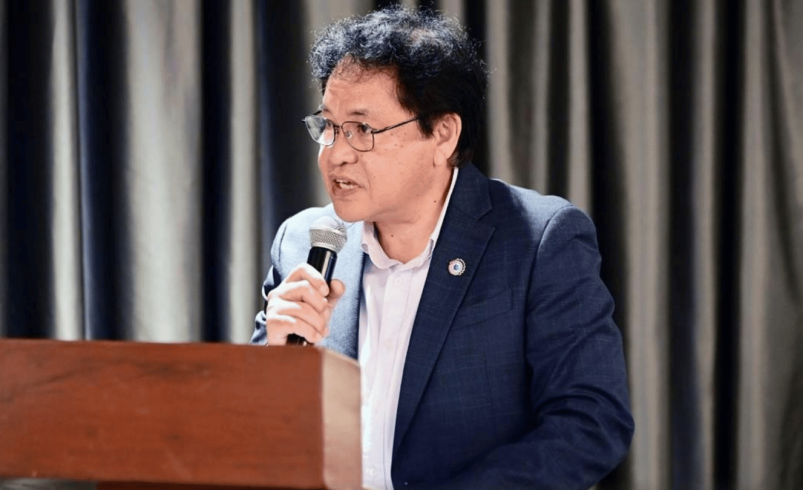
AdventEnergy has expanded to Western Visayas through a new partnership with Bacolod’s L’ Fisher Hotel, supplying 673 kW of power alongside energy performance assessment services. The move expands energy choices for contestable customers while supporting the hotel’s efficiency, cost reduction, and sustainability goals.
Imagine a factory in Laguna or a cold-storage facility in Cebu no longer being bound by the rates of its local electric cooperative or distribution utility, and instead choosing its own electricity supplier. This scenario is no longer hypothetical. It is precisely what the Philippine government’s Retail Competition and Open Access (RCOA) program enables businesses to do: to take control of their energy choices and build supply arrangements that work for them.
Instead of being limited to a single provider, businesses can now explore a range of energy partners, compare offers, and decide on terms that align with how they run their facilities.
With the Energy Regulatory Commission (ERC) lowering the eligibility threshold even further down to 100 kW, thousands more businesses are poised to access the competitive retail electricity market. This will mark one of the most consequential shifts in how electricity is bought, sold, and managed in the country since the Electric Power Industry Reform Act of 2001 (EPIRA) restructured the sector.

RCOA is a market mechanism established under EPIRA that allows qualified electricity users—known as contestable customers—to choose their own retail electricity supplier (RES) instead of being automatically served by their local distribution utility.
In simpler terms, RCOA transforms electricity procurement from a one-size-fits-all utility service into a competitive retail market.
Key features:
RCOA formally started in 2013, when the Department of Energy issued its first implementing circular integrating retail competition into the Wholesale Electricity Spot Market (WESM) and codifying concepts such as customer empowerment, supplier licensing, and supplier-of-last-resort functions. This was followed by key refinements over the years:
A decisive step came with the DOE’s 2023 circular declaring the start of RCOA, RAP, and the Green Energy Option Program (GEOP) in Mindanao. The circular highlights the twin goals of empowering consumers and promoting fair competition, while emphasizing the need for grid readiness, market infrastructure, and coordinated stakeholder action. With this, Mindanao joined Luzon and Visayas in experiencing retail choice, signaling a nationwide push toward more efficient, flexible, and sustainable power markets.
The ERC is lowering the threshold to 100 kW, effective June 26, 2026. This opens the door for thousands of medium-sized businesses to benefit from competition.
Businesses that enter RCOA typically cite one benefit first: cost savings. Industry data suggests that contestable customers have achieved average electricity rates about 14% lower than standard distribution-utility charges; however, these outcomes are not automatic nor uniform across all consumption profiles.
Actual savings depend heavily on how a facility uses power: its load profile, operating hours, demand patterns, and ability to align with terms offered by its chosen supplier. In sectors where electricity can account for 20–40% of operating costs, that difference compounds quickly.
But price is only part of the story. Companies choosing their own supplier gain control—over contract length, pricing models, and even the source of their electricity. Some prefer long-term fixed-price contracts for budget stability. Others choose hybrid models tied partly to market prices.
This flexibility has also enabled a quiet surge in corporate renewable energy procurement. A manufacturing facility in Mindanao, for instance, is now running on 100% renewable energy through a retail supply contract—an arrangement that would have been impossible a decade ago.
RCOA also strengthens the market as a whole. With more suppliers competing for customers, the retail electricity market becomes more dynamic. New pricing schemes emerge. Renewable energy options expand. Digital monitoring and advisory services become more common. Market competition pushes innovation.
The mechanics of RCOA may seem technical, but the path to participation is quite straightforward.
A distribution utility tags specific facilities if they are eligible for Open Access, based on average peak demand. Once a business opts to participate in the program, they can approach a RES to have their facility’s load profile evaluated and explore contract options. Upon choosing a supplier, the RES then handles registration and coordination with the Independent Electricity Market Operator of the Philippines (IEMOP) and the distribution utility. The distribution utility continues to deliver the power, with no particular changes in the infrastructure; then the RES will now supply and bill the customer.
The process does require discipline and risk assessment. Companies must understand their consumption patterns and evaluate contract structures that align with their operational priorities. Also under the ERC’s customer choice programs, business owners with multiple facilities can also aggregate their demand and participate in the Retail Aggregation Program (RAP). Further, the Green Energy Option Program (GEOP) allows access to renewable energy supply.
As more companies move toward retail choice, the experience of suppliers becomes increasingly important. And in this new era of energy choice, experience and reliability matter.
One of the most active participants in the competitive market is AdventEnergy, the retail electricity supply arm of AboitizPower. Since the implementation of Open Access, AdventEnergy has become one of the country’s leading RES, and now supplies electricity to more than 600 facilities nationwide, including multinational beverage plants, industrial manufacturing facilities, property developments, and hotel and residential establishments.
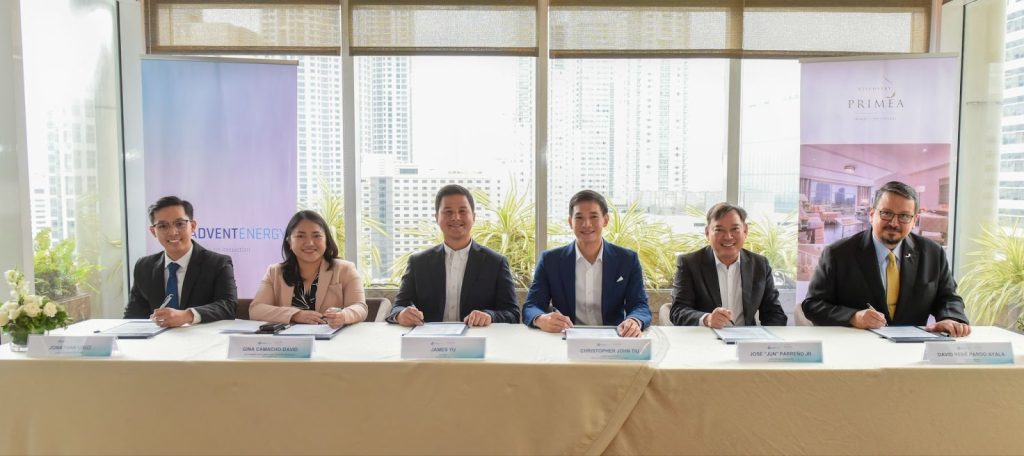
Discovery Primea hotel and residences has forged a strategic partnership with AdventEnergy to strengthen energy reliability and advance its sustainability initiatives through smarter power choices. The collaboration also includes electrical thermography services to help detect potential faults and prevent disruptions.
AdventEnergy has access to Aboitiz Power Corporation’s expanding energy portfolio, but also operates through a supply-agnostic approach, allowing them to be flexible and design blended or fully tailored supply contracts that align with each customer’s operational needs.
Global brands such as Coca-Cola Europacific Aboitiz Philippines, Inc., and SM Prime Holdings,, already source through AdventEnergy not only for price competitiveness but also for the integrated solutions that accompany the supply. These include energy-efficiency support, monitoring tools, and operational advisory services that help customers reduce waste and improve performance—capabilities that are becoming increasingly valuable as more companies evaluate the shift to RCOA.
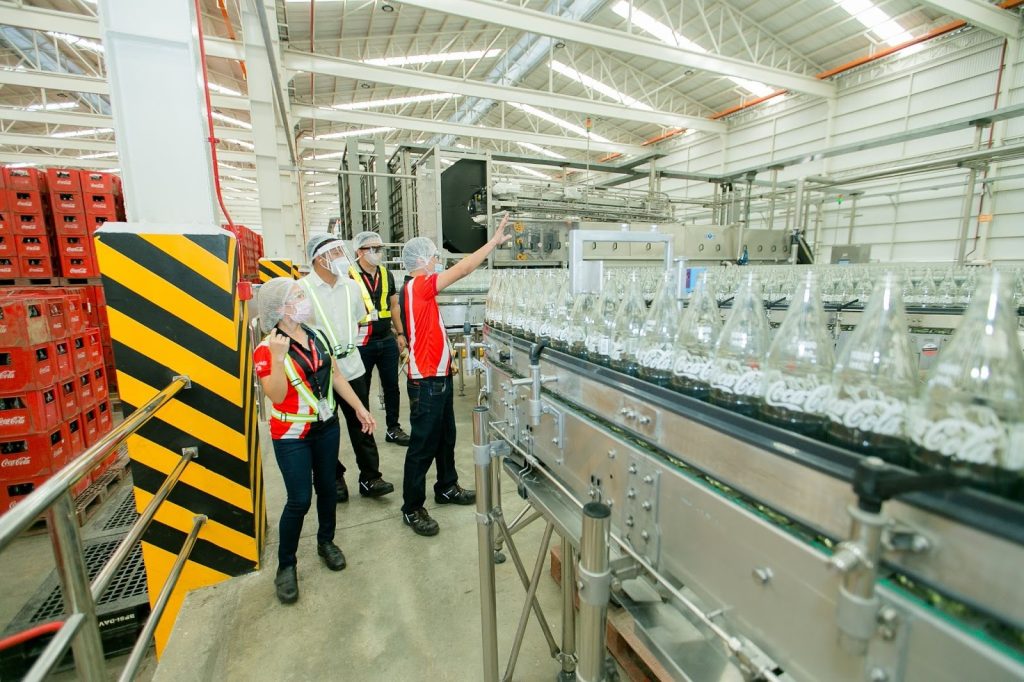
Coca-Cola Europacific Aboitiz Philippines has shifted its Mindanao plants to the RCOA program, enabling greater control over power sourcing and costs through its partnership with AdventEnergy. The move supports CCEAP’s energy roadmap and sustainability goals as the Mindanao retail power market takes shape.
Large commercial and industrial users
ERC said that as of December 2025, more than 2,393 of roughly 3,600 eligible customers have already shifted to retail supply. These customers are actively leveraging competition among retail electricity suppliers to rebalance cost structures and pursue long-term renewable-energy commitments.
Medium-sized businesses
Interest from medium-sized establishments—hotels, supermarkets, malls, cold-storage facilities, and mid-scale factories—has risen since the ERC released its 2025 draft resolution proposing to reduce the RCOA threshold to 100 kW. Once implemented (targeted as early as mid-2026), the policy could expand RCOA coverage to thousands of additional commercial end-users.
Renewable-energy developers and suppliers
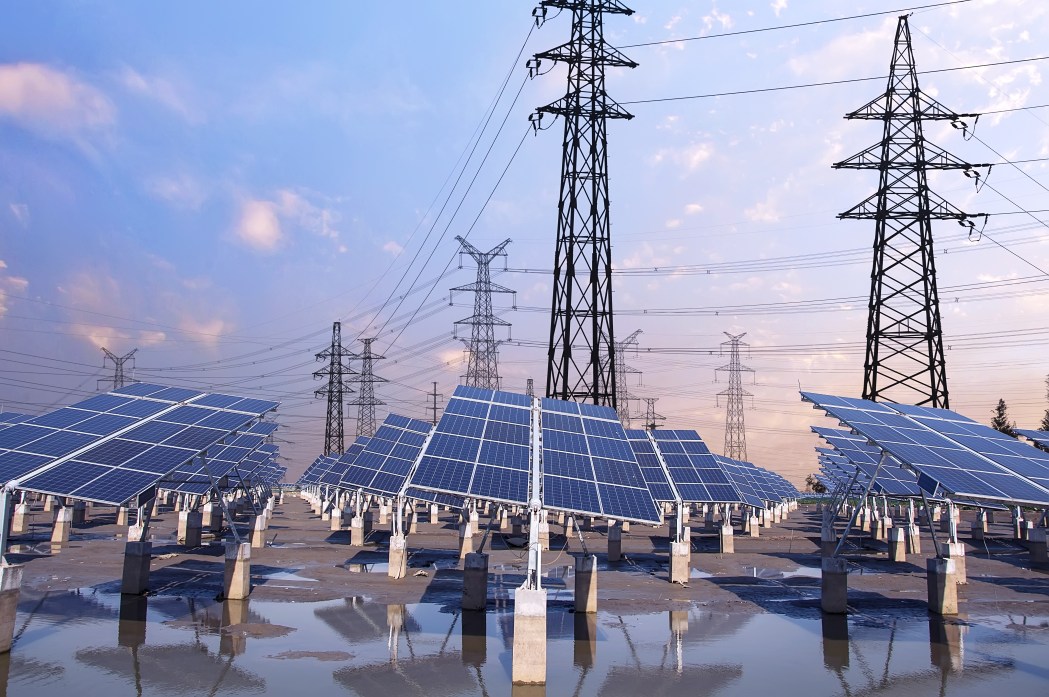
As more companies express interest in renewable options—driven by GEOP and by corporate decarbonization targets—the open retail market is becoming an attractive outlet for new solar, wind, and hydro capacity.
In Mindanao, more manufacturing facilities are transitioning into the RCOA framework, reflecting a broader shift toward customer choice in power sourcing. While some have opted for 100% renewable energy supply to support their sustainability goals, many are primarily driven by the opportunity to optimize costs through more tailored electricity contracts.
This growing migration highlights how RCOA opens up a wider range of supply options – from renewable energy-backed offerings to more cost-focused arrangements – depending on a customer’s priorities. At the same time, it creates a viable channel for power developers to secure offtake agreements directly with end-users, beyond reliance on the wholesale spot market.
Regulators and policymakers
For regulators, the steady widening of contestability means greater responsibility. The ERC’s threshold proposal cited the need to “ensure a more dynamic and competitive market,” which also highlights the commission’s parallel focus on safeguards, including supplier licensing, contract transparency, and monitoring of retail practices.
The Department of Energy has likewise emphasized that retail competition must progress alongside grid reliability improvements and adequate supply development.
Taken together, these shifts point to a power sector moving toward more efficient and competitive structures. As retail choice expands, suppliers innovate, and more consumers gain the ability to choose renewable energy, RCOA is becoming a practical mechanism that aligns with national goals: expanding clean energy, reducing electricity costs, encouraging efficiency, and giving businesses greater control over their power strategies.
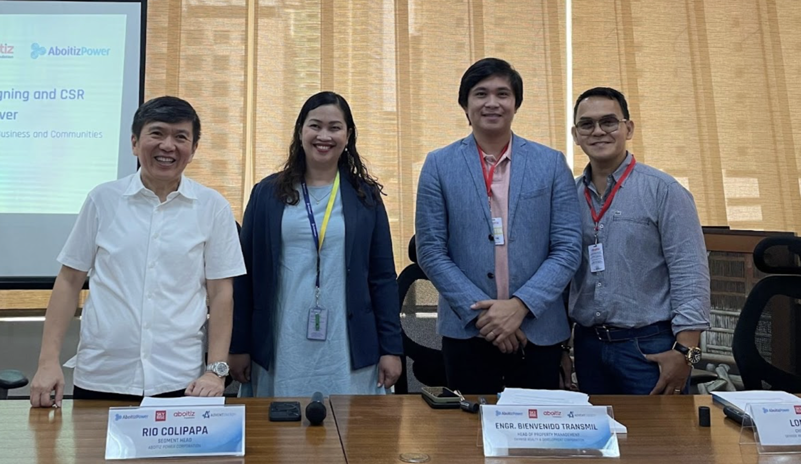
Skyrise Realty & Development Corp. has renewed its retail power supply deal with AdventEnergy, securing over 1.3 MW of electricity for two Cebu buildings in support of efficient operations and its 100% sustainability goal. The partnership, which began in 2023, highlights the role of tailored energy solutions in powering the growth of one of Cebu’s fastest-growing real estate firms.
RCOA is more than a regulatory milestone—it is a strategic lever for businesses seeking lower costs, greater flexibility, and alignment with sustainability goals. With the lowering of contestability thresholds on the horizon, now is the time for companies to audit their energy demand, explore retail electricity suppliers, evaluate contract options, or even integrate renewable energy into their procurement strategy.
The power of choice in the energy sector is becoming not just an option but a competitive imperative—and those who act early stand to gain the greatest advantage.
Sources:
Philippine Star – RCOA threshold reduced to 100 kW (November 7, 2025)
https://www.philstar.com/business/2025/11/07/2485330/rcoa-threshold-reduced-100-kw
BusinessWorld Online – ERC proposes lower open access threshold (August 19, 2025)
https://www.bworldonline.com/top-stories/2025/08/19/692318/erc-proposes-lower-open-access-threshold/
Power Philippines – Power to Choose: Entering the Free Market with RCOA (2025 feature explainer)
https://powerphilippines.com/power-to-choose-entering-the-free-market-with-rcoa/
Independent Electricity Market Operator of the Philippines (IEMOP) – The Electricity Spot Market at Work: Lower Market Prices for the First Half of 2025
https://www.iemop.ph/news/the-electricity-spot-market-at-work-lower-market-prices-for-the-first-half-of-2025/
Department of Energy (DOE) – RCOA and EPIRA overview materials (via official DOE website)
https://www.doe.gov.ph/
Electric Power Industry Reform Act (EPIRA) – Republic Act No. 9136 (Official text)
https://lawphil.net/statutes/repacts/ra2001/ra_9136_2001.html
Energy Regulatory Commission (ERC) – Retail Competition and Open Access updates and resolutions
https://www.erc.gov.ph/