Solar seen as ‘necessity’ as PH faces rising energy costs — Murang Kuryente Partylist rep
- May 26, 2026
- 0
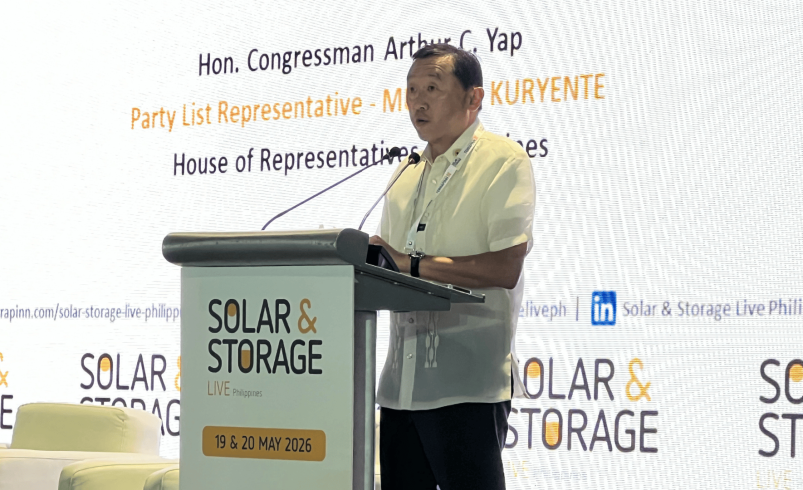
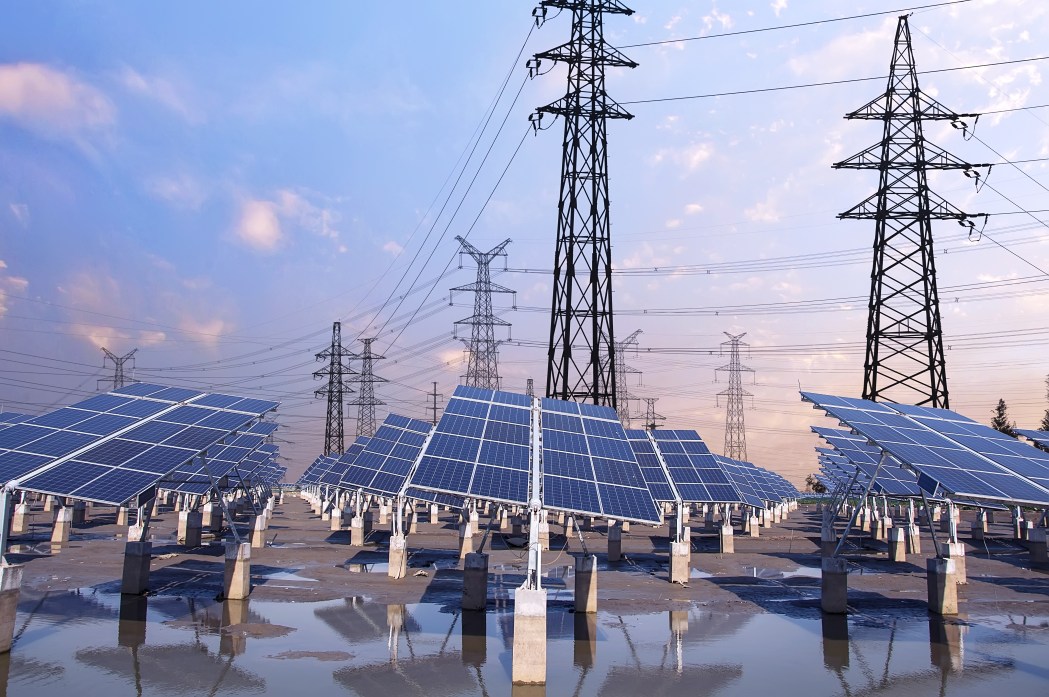
Murang Kuryente Partylist representative Arthur Yap called for a stronger shift toward solar power, saying Filipinos can no longer rely solely on an energy system marked by high electricity rates, recurring outages, and dependence on imported fuel.
During his speech on the first day of Solar & Storage Live Philippines 2026 at the SMX Convention Center, Yap raised the growing frustration of Filipinos over high electricity prices and unreliable power service in the country, as hundreds of thousands of consumers across Luzon and the Visayas recently experienced rotational brownouts.
He emphasized that Filipinos continue to suffer from expensive rates and recurring outages, despite the passage of the Electric Power Industry Reform Act (EPIRA) 25 years ago, which was meant to provide affordable and dependable electricity.

Yap described the current situation as Filipinos paying “first-world rates,” while receiving “third-world reliability services.”
“We are all here today because we recognize a critical shift—solar energy, which was once considered the alternative, is now becoming a necessity, and we are dreaming that it can be our baseload, possible or not, we will see, time will tell,” the congressman said.
He pointed out that traditional power systems remain dependent on imported fuel and vulnerable to global crisis and supply disruptions, particularly the ongoing Iran war that led to the spike of global oil and gas prices.
The congressman said Filipinos are no longer willing to simply accept expensive and unreliable electricity services.
“Solar changes that equation. It allows households and businesses to generate their own electricity, it reduces dependence on the grid, and it introduces predictability in energy cost,” Yap stressed, adding that pairing solar panels with battery storage can provide even greater reliability and resilience, especially during power outages.
Financing for Filipino consumers
With growing calls for a stronger shift toward solar power, the question now is whether Filipino consumers can afford the transition.
To make solar energy more accessible, Yap mentioned financing initiatives being developed with government institutions, such as Pag-IBIG Fund and Government Service Insurance System (GSIS).
He shared that Pag-IBIG Fund, which has about 18 million members, is preparing a home improvement loan program to help Filipinos install a solar energy system.
Under the plan, members may borrow up to PHP 300,00 over five years, with a subsidized 3% interest rate per annum for the first 10,000 borrowers. This would bring monthly payments to as low as about PHP 5,391.
“They are now just finalizing, but by as early as next week, they are going to come up now with their home improvement loans specifically targeted to allow their 18 million members to buy their solar systems,” Yap said.
The congressman also mentioned the “Ginhawa Solar Energy Loan Program” of the GSIS, which provides government employees with loans of up to PHP 500,000 to install residential solar panels.
The loan, he said, carries a 5% interest rate and repayment over five years, resulting in a monthly payment of about PHP 10,400.
He added that GSIS has allocated PHP 12.5 billion for the loan program and an additional PHP 60 million for insurance coverage of solar installations.
TESDA training and green jobs
Yap also emphasized the importance of building a skilled workforce to support the renewable energy transition, adding that technology alone is not enough to install, maintain, and expand solar systems nationwide.
To support this, he said they are working with Technical Education and Skills Development Authority (TESDA) to provide technical training for solar PV installation, certification standards, and upskilling programs for electricians and technicians, along with expanding training centers across the country.
“The solar transition should not only reduce electricity costs; it should also create green jobs that are local, sustainable, and future-ready, because a just energy transition is not only about cleaner energy, it is about inclusive growth,” Yap stressed.
The Murang Kuryente Partylist representative also called for stronger accountability and transparency in the energy sector, citing concerns over outdated plants, inadequate infrastructure investment, and ongoing outages.
For Yap, the Philippines’ energy situation calls for urgent, decisive action, with policies centered on public needs and a push to revisit and reform the EPIRA.
“Simple lang ang sinisigaw ng taong bayan, gusto ko lang po ng murang kuryente. So ibigay po natin sa kaniya ‘yung murang kuryente,” he concluded.
Follow Power Philippines on Facebook and LinkedIn or join our Viber community for more updates.