ENERGYEAR Philippines 2026 recap: GEA-5 to test Philippines’ readiness for offshore wind, panelists say
- February 4, 2026
- 0
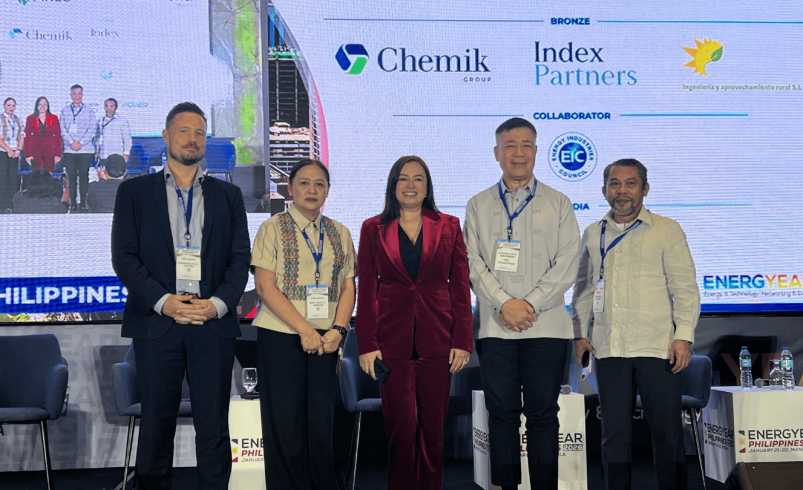
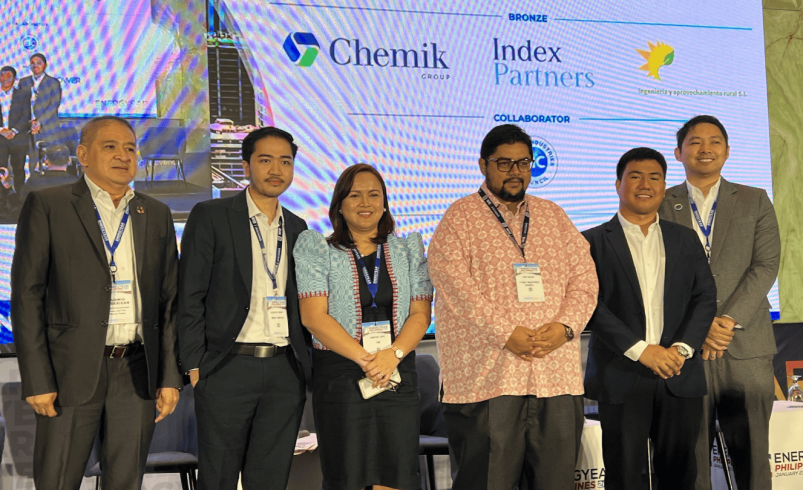
The fifth round of the Green Energy Auction (GEA-5) will test whether the Philippines is ready to turn offshore wind from conceptual ambition into bankable, deliverable, and realistic projects, panelists said during a discussion at Energyear Philippines 2026.
Speakers said GEA-5 moves offshore wind into an execution phase, with timelines and scales that leave no room for delay. With commercial operation targets set within the next few years, panelists warned that readiness across pricing, technical preparation, and coordination will matter as much as the competitive bidding itself.
Tariff setting emerged as a major factor in shaping investor participation. Energy Regulatory Commission Director III Sharon O. Montañer said the auction uses a tariff cap to balance investor viability and consumer protection. “The tariff is a ceiling, not the final price,” she said, explaining that competition during the auction is expected to drive prices down.

Montañer said the tariff was developed using discounted cash flow modeling and international benchmarks, given the lack of local offshore wind cost data. She noted that the approach aims to reflect current risks while also avoiding excessive burden on consumers.
Beyond pricing, panelists stressed that early technical groundwork could determine whether offshore wind projects succeed after bids are awarded. Antonio Botor, founder and general manager of AB Surveying and Development, warned that relying on outdated or incomplete data can lead to costly problems later. “If the data is wrong at the start, the design will be wrong,” he said, referring to seabed surveys and site assessments.
Botor said accurate surveys and marine data help developers identify constraints early, which helps reduce the risk of redesigns, delays, or infeasible sites once construction has actually begun. He added that early technical work is often overlooked in the rush to bid competitively.
Panelists also emphasized that offshore wind cannot succeed through auctions alone. Rune Damgaard, CEO of Offshore Wind Philippines, said offshore wind development depends on coordination across many institutions. “This is not a single-project industry,” he said, describing offshore wind as a long-term ecosystem that requires teamwork amongst regulators, grid operators, ports, and developers.
Damgaard said countries that succeed in offshore wind typically plan infrastructure, regulation, and industry development together, rather than treating each auction as a standalone. He added that clear coordination reduces uncertainty and helps projects move faster from award to construction.
The discussion highlighted that GEA-5 will reveal whether the Philippines can align pricing, technical readiness, and inter-agency coordination quickly enough to deliver offshore wind projects on schedule. Panelists said winning bids alone will not guarantee success if gaps emerge after contracts are awarded.
As GEA-5 moves forward, will the auction deliver offshore wind projects that are not only competitive on paper, but ready to be built and operated on time?
Follow Power Philippines on Facebook and LinkedIn or join our Viber community for more updates.