RE coalition rolls out 6 interventions to unblock renewable energy rollout
- March 19, 2026
- 0
A multi-stakeholder coalition has launched six prototype interventions aimed at addressing persistent bottlenecks slowing the Philippines’ renewable energy (RE) expansion, with a focus on ensuring projects are deployed in a socially just and ecologically safe manner.
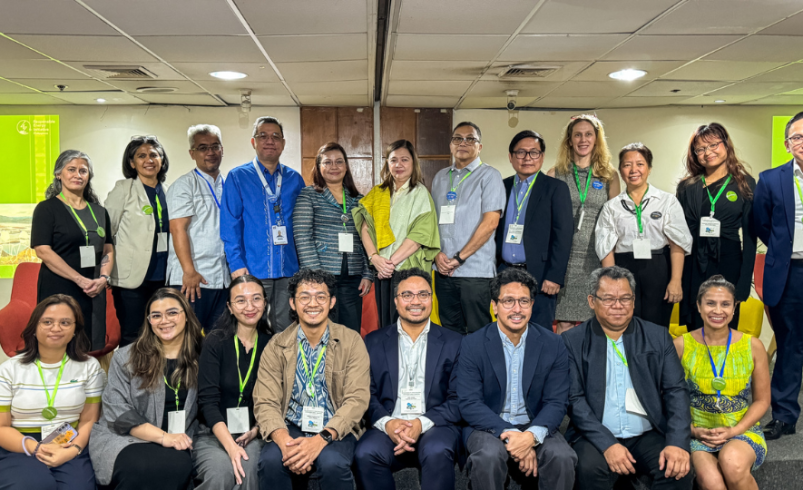
The Responsible Energy Initiative Philippines (REI Philippines) on Thursday unveiled the proposals during a high-level forum in Makati City, attended by around 120 representatives from industry, finance, civil society, and government.
The move comes as the country pushes to raise the share of renewables in its power mix to 35% by 2030 and 50% by 2040, targets that industry players say are increasingly constrained by non-technical barriers.

“A successful energy transition must recognize people’s importance while boosting productivity and reducing emissions. It is as much a social and economic challenge as an environmental one,” said Department of Environment and Natural Resources Undersecretary Analiza Rebuelta-Teh.
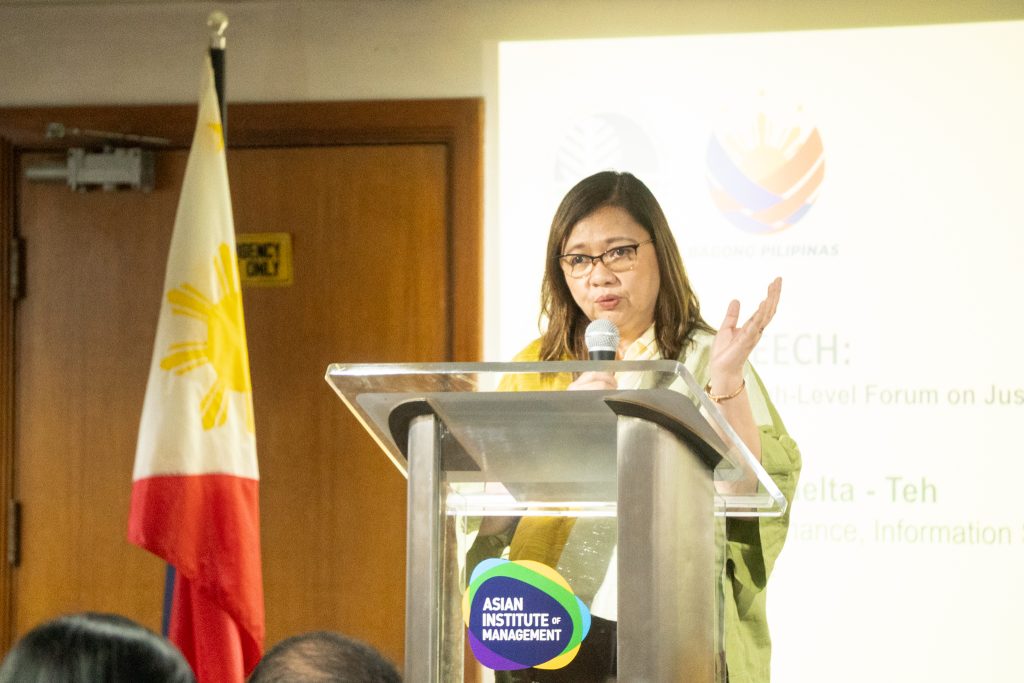
“For the Philippines, a just transition is a transformative, people-centered shift to a low-carbon, climate-resilient and energy-secure economy that prioritizes equity, inclusivity, and balance throughout the process without compromising environmental integrity.”
Addressing ‘hidden’ barriers
REI Philippines said its interventions were shaped by consultations conducted from 2024 to 2025 involving more than 50 stakeholders across the RE value chain, including developers, rural banks, policymakers, and civil society groups.
The group identified key constraints that continue to stall projects, including competition for land and marine space, lack of trust with host communities, financing gaps, limited data on biodiversity and social impacts, and weak integration of circularity in RE systems.
To address these, the initiative introduced six prototypes: RE Compass, a digital tool integrating renewable resource potential with ecological and social risk data; RE Hub, a platform testing multi-use land and marine models that combine energy generation with agriculture, fisheries, and ecosystem restoration; community co-ownership models (“Co-Own”), which allow host communities to hold equity stakes in projects; Capital Orchestrator, aimed at coordinating financing flows toward responsible RE deployment; Rural Bank Mentorship, which equips rural lenders to incorporate ESG risk assessments; and Circular RE Futures, which supports policymakers in managing the lifecycle of renewable energy technologies.
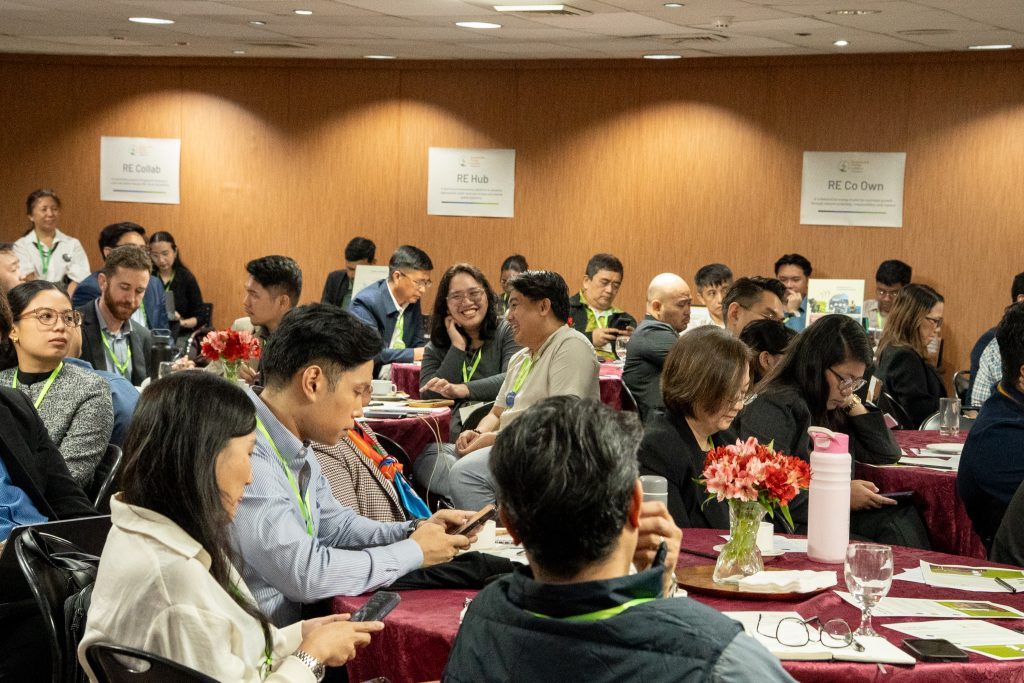
Rebuelta-Teh said several of the prototypes—including RE Compass, RE Hub, and Circular RE Futures—align with the DENR’s mandate, adding that “Potential areas of cooperation are worthwhile to be pursued.”
Government, industry signal support
Energy, investment, and regional development officials signaled support for the initiative, particularly for models that deepen community participation and improve long-term governance of RE assets.
Panelists from the Department of Energy, the Board of Investments under the Department of Trade and Industry, and the Mindanao Development Authority discussed pathways to operationalize the interventions, with specific backing for the co-ownership and circular economy approaches.
Stakeholders underscored that coordination across sectors will be critical to translating these concepts into bankable and scalable projects.
“When creating foundational norms for how a complex system behaves, it is critical to have all the key actors involved,” said Sumi Dhanarajan, Managing Director of Forum for the Future Southeast Asia.
“The collaborative action platform established by REI Philippines has uniquely brought together renewable energy developers, financiers, procurers, manufacturers, policymakers and civil society actors to identify where we need to act and how we can act to create an environmentally and socially responsible renewable energy system for the Philippines.”
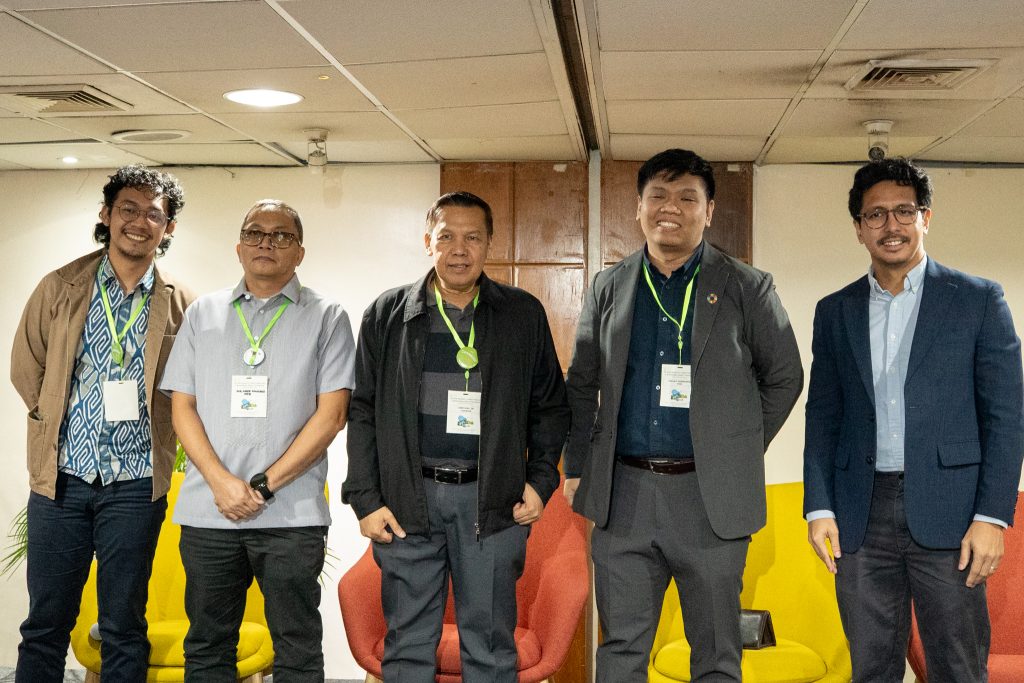
Maris Cardenas, Executive Director of the Center for Empowerment, Innovation and Training on Renewable Energy, highlighted the urgency of accelerating domestic energy sources.
“The oil supply crisis shows how vulnerable the Philippines remains to global shocks. We urgently need energy that is local, affordable, and sustainable,” she said.
“REI Philippines helps fill an important gap in moving that transition forward by forging partnerships and collaborative initiatives advancing responsible, resilient, equitable, and democratic renewable energy systems.”
Scaling phase eyed through 2026
The Philippines is the second country to implement the Responsible Energy Initiative after India, and the first in Southeast Asia.
REI Philippines said it will spend the remainder of 2026 developing and testing the six prototypes before evaluating their potential for scaling.
What do you think—can these interventions meaningfully accelerate renewable energy deployment in the Philippines, or will structural barriers continue to delay projects?
Follow Power Philippines on Facebook and LinkedIn or join our Viber community for more updates.