UAE quits OPEC, eyes higher output
- April 29, 2026
- 0
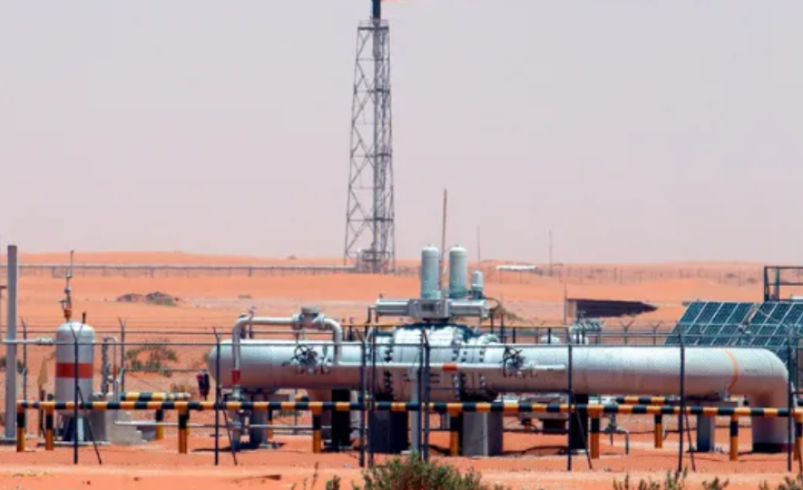
Photo credit: Al-Jazeera
The United Arab Emirates will leave the Organization of the Petroleum Exporting Countries (OPEC) effective May 1, removing one of the cartel’s largest producers and potentially reshaping global oil supply dynamics, Associated Press reports.
The UAE, OPEC’s third-largest producer, said the move aligns with its long-term strategy to expand oil production capacity after years of pushing back against output limits imposed by the group. It had been producing around 3.4 million barrels per day prior to the recent Iran conflict but has the capacity to raise this to about 5 million barrels daily, the report said.

Analysts cited by the AP said the exit could weaken OPEC’s ability to manage supply and stabilize prices, as the UAE is among the few members capable of rapidly increasing output. The group currently accounts for roughly 40% of global oil production.
The development comes amid broader geopolitical tensions in the Middle East and a constrained global oil market, with Brent crude trading above USD 111 per barrel following disruptions linked to the Iran conflict. However, early market reaction suggests a potential easing of prices. Oil prices declined after the announcement, with Brent crude for June delivery falling to around USD 110.71 per barrel, according to AP market data.
For import-dependent economies like the Philippines, any sustained increase in supply from major producers operating outside coordinated quotas could translate into lower import costs, with implications for inflation, power generation costs, and overall energy security.
“It depends on how the UAE will now operate in the oil market. If it will produce more supply without following the output limits of OPEC and offer reduced prices to capture a bigger chunk of the market, then it may be good for the Philippines,” said Atty. Jay Layug, executive director for the Philippine Energy Research and Policy Institute.
The UAE’s departure also highlights weakening cohesion within OPEC, following earlier exits such as Qatar in 2019 and amid reported tensions between the UAE and Saudi Arabia over production policy and regional influence.
While immediate impacts may be muted due to ongoing supply constraints linked to the Iran conflict, a structurally weaker OPEC could face increasing difficulty in managing output and price stability over the medium term.
What’s your take? Could a more fragmented OPEC lead to more stable or more volatile oil prices—and how should the Philippines position its energy strategy in response?
Follow Power Philippines on Facebook and LinkedIn or join our Viber community for more news and updates on the Philippine energy sector.