Lawmakers push review of power charges as electricity rates climb
- May 5, 2026
- 0
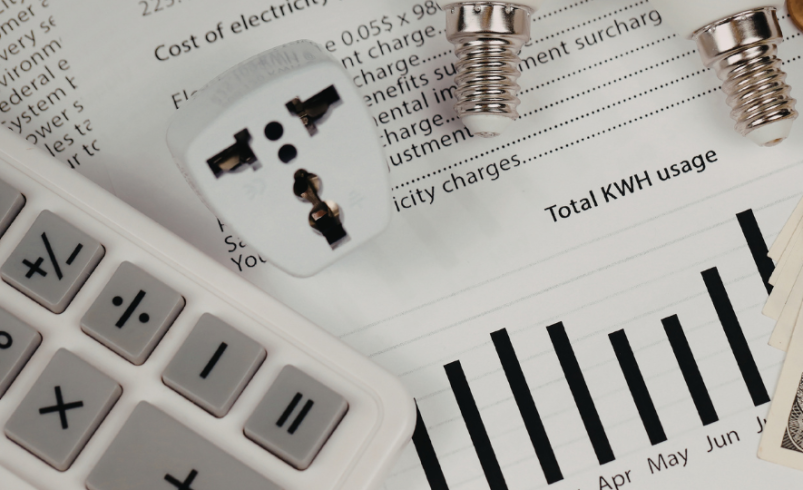
Philippine lawmakers are calling for a review of electricity pricing mechanisms as rising global fuel costs and a weaker peso continue to drive up power bills.
Recent data from Meralco show residential rates at about PHP 14.35 per kilowatt-hour for a typical household, while the Institute for Climate and Sustainable Cities (ICSC) reported wide tariff variations across 87 distribution utilities nationwide.
Higher generation charges—largely passed through to consumers—have been linked to increased costs from contracted supply, including coal and liquefied natural gas, many priced in dollars.

In separate statements, lawmakers flagged specific components of electricity bills and called for policy changes.
Bayan Muna Rep. Neri Colmenares urged the renegotiation of power supply agreements (PSAs), particularly those tied to imported fuel and dollar-denominated pricing.
“Regarding system loss, you paid 12% VAT, but what did you take home? Nothing. This is payment for electricity you didn’t even use—electricity lost due to Meralco’s inefficiency or illegal connections that they are supposed to resolve. It’s not our fault, so why are we being charged?”
He also proposed removing value-added tax on system loss and other pass-through charges, and shifting some costs to government funding.
Akbayan Rep. Chel Diokno said pass-through charges such as the Lifeline Discount, while allowed under current rules, should be reassessed during periods of economic strain. He also urged distribution utilities operating under franchise agreements to consider absorbing part of these costs.
APEC Party-list Rep. Sergio Dagooc, in a privilege speech, said rising electricity prices highlight the need to revisit existing energy policies.
“The public do not need more explanations. What they need is a government that acts, a government that protects,” he said. “The energy crisis is a clear test of governance, and Congress has the power to amend laws that no longer serve the interests of our countrymen.”
Should pass-through charges in electricity bills be restructured or capped during periods of high fuel costs?