PEZA, Schneider push energy resilience measures in ecozones amid rising power demand
- June 10, 2026
- 0
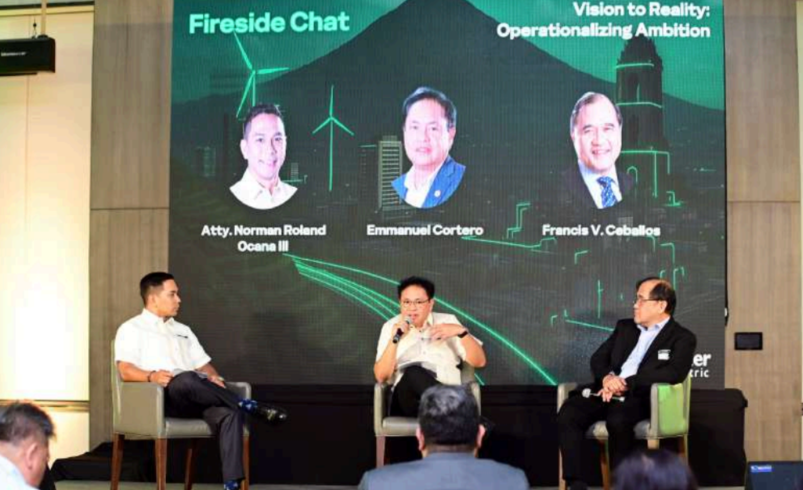
Philippine economic zones are ramping up efforts to strengthen energy resilience as industrial power demand continues to grow, with the Philippine Economic Zone Authority (PEZA) and Schneider Electric advancing measures aimed at reducing dependence on fossil fuels and improving operational stability across ecozones.
The initiatives were highlighted during the “Innovation Talk: Powering the Future of Digital & Energy-Efficient Operations” held in Clark, Pampanga, where government officials, developers, and industry representatives discussed strategies to address rising energy costs, supply volatility, and sustainability requirements.
Among the measures being promoted are solar rooftop installations in public economic zones, incentives for the adoption of high-efficiency motors, support for electric vehicle (EV) and lower-emission logistics solutions, and business matching programs connecting locators with energy providers.

The push comes as Philippine special economic zones, which account for more than half of the country’s commodity exports, face increasing pressure from growing industrial demand and concerns over energy security.
“Energy technology, along with policy and infrastructure planning, becomes critical in helping industries adopt solutions that are practical, reliable, and capable of supporting long-term growth and resilience against any crises,” said Atty. Norman Roland Ocana III, Head of Government Affairs and Territory Sustainability Leader of Schneider Electric Philippines.
The forum also emphasized the need for closer coordination among government agencies, industry players, and infrastructure developers to support the long-term competitiveness of ecozones.
Schneider Electric said it is supporting industrial locators and ecozone operators through energy management, automation, and digital solutions, including building management and sustainability reporting platforms designed to improve visibility into energy consumption and strengthen operational resilience.
For its part, PEZA is pursuing charter amendments aimed at streamlining compliance requirements and improving coordination with other government agencies.
“Our goal is to improve alignment across agencies so companies can operate with less friction,” said PEZA Deputy Director General for Policy and Planning Emmanuel D. Cortero. “We are creating an environment where businesses are more resilient to volatility and more efficient in operations.”
Clark was highlighted during the discussions as a growing industrial hub within the Luzon Economic Corridor. According to figures presented at the forum, the number of companies operating in the zone increased from 1,113 in mid-2023 to 1,213 by 2025, while employment grew from 136,836 to more than 145,000 workers.
The area also attracted PHP 77 billion worth of investments in 2024 across sectors including semiconductors, renewable energy, electronics, and pharmaceuticals.
Industry developers said future locators could place additional pressure on utility infrastructure.
“We’re seeing the scale of prospective locators such as data centers and electronics manufacturers requiring significant levels of power and water supply,” said Francis V. Ceballos, Senior Vice President of Filinvest Land, Inc. “Industrial zones have to be prepared to take on these requirements.”
PEZA said it is advancing a nationwide strategy centered on digitalized investor processes, countryside expansion, and the integration of renewable energy and microgrid systems as standard ecozone infrastructure.
The agency also noted that the recently approved 2027–2030 Strategic Investment Priorities Plan includes renewable energy and other energy-related activities among prioritized industries, with the goal of enhancing energy security, supporting sustainability objectives, accelerating the transition to a low-carbon economy, and encouraging wider adoption of sustainable energy among export enterprises.
The discussions build on a memorandum of understanding previously signed by PEZA and Schneider Electric Philippines, which both organizations said is intended to support sustainable industrial transformation and strengthen the country’s attractiveness as an investment destination.
What do you think about the growing role of renewable energy, microgrids, and energy-efficiency technologies in strengthening the competitiveness of Philippine economic zones? Join the discussion.
Follow Power Philippines on Facebook and LinkedIn or join our Viber community for more news and updates on the Philippine energy sector.