DOE gets Indonesia’s assurance on coal supply
- July 24, 2026
- 0
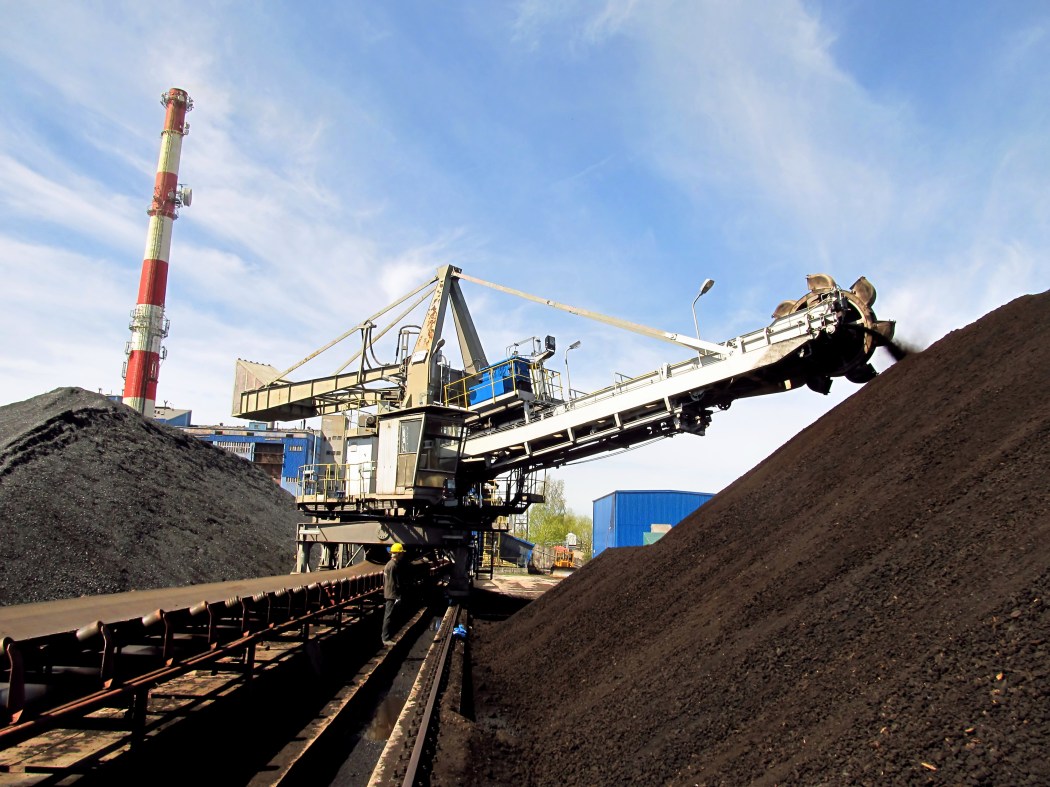
The Department of Energy (DOE) said it has secured Indonesia’s assurance that coal exports to the Philippines will remain stable despite Jakarta’s planned changes to its coal export regulations, easing concerns over fuel supply for the country’s coal-fired power plants.
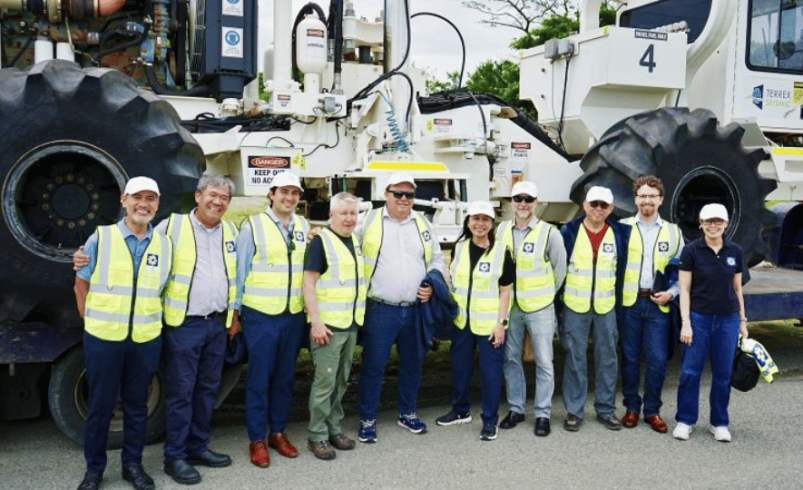
Energy Secretary Sharon Garin led a Philippine delegation to Jakarta for high-level meetings with Indonesia’s Coordinating Ministry for Economic Affairs (CMEA), Ministry of Energy and Mineral Resources (MEMR), and state-owned PT Danantara Sumberdaya Indonesia (PT DSI) to seek clarity on Indonesia’s evolving coal export framework and strengthen broader energy cooperation.
The Philippines sources the majority of its imported coal from Indonesia, making regulatory developments there closely watched by the domestic power sector.

According to the DOE, Indonesian officials confirmed that the new export framework is intended to improve transparency and traceability in coal transactions rather than restrict exports. PT DSI, which is leading the initiative, is expected to release the draft regulation soon.
The agency said Coordinating Minister Airlangga Hartarto and Vice Minister Yuliot Tanjung assured the Philippine delegation that Indonesia recognizes the importance of maintaining reliable coal supplies for partner economies that depend on the fuel for electricity generation and industrial use.
Garin said the assurance provides greater certainty for Philippine stakeholders as they adjust to the new export regime.
“Every partnership we build is about protecting the everyday lives of Filipinos. This commitment from Indonesia strengthens our efforts to keep our energy supply secure: helping hospitals care for patients, schools stay open, businesses create jobs, and families keep the lights on at home,” she said in an official statement.
During the talks, both countries also explored opportunities to deepen cooperation in liquefied natural gas (LNG) and renewable energy.
The Philippines expressed interest in developing small-scale LNG projects to serve off-grid islands, while both governments agreed to facilitate discussions among relevant agencies and state-owned enterprises on possible government-to-government cooperation in the LNG sector.
The meetings also advanced discussions on regional energy integration through the ASEAN Power Grid (APG), one of the Philippines’ Priority Economic Deliverables during its ASEAN chairmanship.
The Philippine delegation shared studies showing the technical feasibility of cross-border power interconnection and raised the possibility of pursuing a bilateral memorandum of understanding on power interconnection alongside the broader APG initiative, DOE said.
Indonesia also reaffirmed its commitment to completing domestic processes for signing the Enhanced Memorandum of Understanding on the APG and ratifying the ASEAN Framework Agreement on Petroleum Security.
In a separate meeting, PT DSI briefed Philippine officials on the phased rollout of Indonesia’s new export mechanism, explaining that the initial phase will focus on documentation, transparency, and data consolidation before full implementation.
The company said existing contracts will remain unaffected where no irregularities are identified.
What do you think? Will stronger Philippines-Indonesia energy cooperation help improve the country’s long-term energy security while it continues its transition toward cleaner energy? Join the discussion.
Follow Power Philippines on Facebook and LinkedIn or join our Viber community for more news and updates on the Philippine energy sector.