Cojuangco pushes nuclear bill, says power rates could drop to PHP 5/kWh
- April 16, 2026
- 0
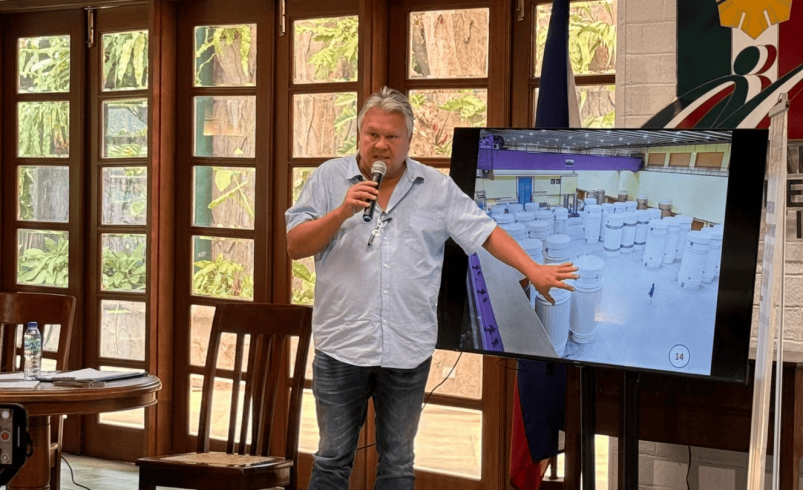
Pangasinan 2nd District Representative Mark Cojuangco is pushing to integrate nuclear energy into the Philippines’ power mix through a new legislation, saying the move could bring electricity costs down to as low as PHP 5 per kilowatt-hour.
The lawmaker introduced House Bill No. 8567 during a media briefing on April 16 in Quezon City. It outlines a policy framework to accelerate the development of nuclear power in the country.
The proposed measure includes incentives, financing mechanisms, and clear policy direction aimed at enabling large-scale nuclear projects, as the government looks to strengthen energy security amidst ever-rising global fuel prices.

The push comes as the Philippines continues to rely heavily on imported fossil fuels, exposing the country to price volatility driven by geopolitical tensions and currency fluctuations.
“For decades, we have relied on energy sources that leave us vulnerable to global shocks and volatile prices… Nuclear energy must not be just an option; it is a necessity,” Cojuangco said.
He argued that nuclear energy could significantly lower electricity costs over the long term, citing estimates that power rates could drop to around PHP 5 to PHP 7 per kWh, which is well below current levels, which average about PHP 14 per kWh.
Cojuangco explained that while nuclear power plants require substantial upfront investment, their operating costs decline significantly over time, especially after the initial capital is recovered.
“The real advantage of nuclear is not just stability—it’s affordability over the long term,” he said, noting that electricity generation costs can fall sharply once facilities move beyond their cost recovery period.
He also pointed to existing assets such as the Bataan Nuclear Power Plant, describing them as strategic opportunities to deliver more affordable and reliable electricity rather than sunk costs.
The proposal builds on the country’s existing regulatory framework following the passage of the Philippine Atomic Energy Regulatory Authority law, marking what Cojuangco described as a shift from preparedness to actual implementation of nuclear energy projects.
Beyond lowering electricity costs, the measure highlights the potential of nuclear energy to reduce dependence on imported coal and liquefied natural gas, improve supply stability, and support long-term economic growth.
Also present at the briefing, Alpas Pinas Lead Convenor Gayle Certeza emphasized the urgency of adopting more resilient energy solutions, noting that current systems remain vulnerable to global disruptions.
“What we are seeing today is a clear reminder that our current energy system is not built for resilience,” she said.
The proposed bill calls for a whole-of-government approach to support nuclear development, including financing structures and policy support to ensure projects can be pursued efficiently and at scale.
As the Philippines explores long-term solutions to rising energy costs, how viable is nuclear power in delivering both affordability and energy security for the country?
Follow Power Philippines on Facebook and LinkedIn or join our Viber community for more updates.