GRA launches electrification campaign, urges Philippines to expand electricity use across transport and industry
- June 18, 2026
- 0
The Global Renewables Alliance (GRA) is calling for faster electrification across transport, buildings, and industry, saying the Philippines must expand how it uses electricity to unlock the next phase of renewable energy growth.
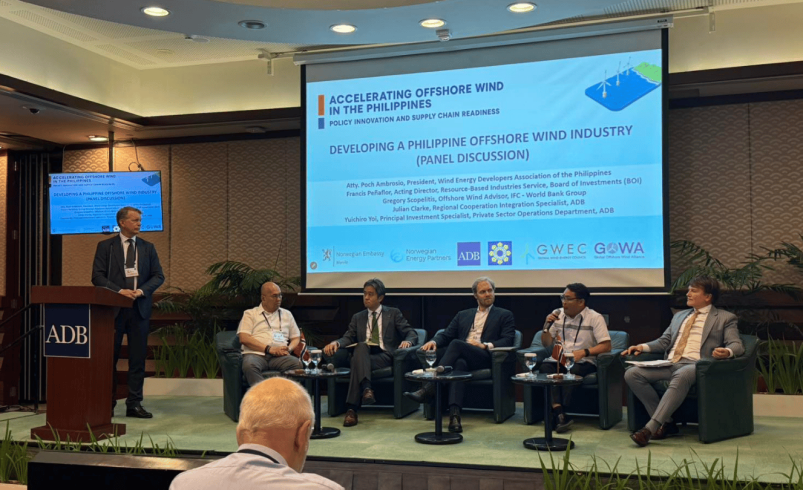
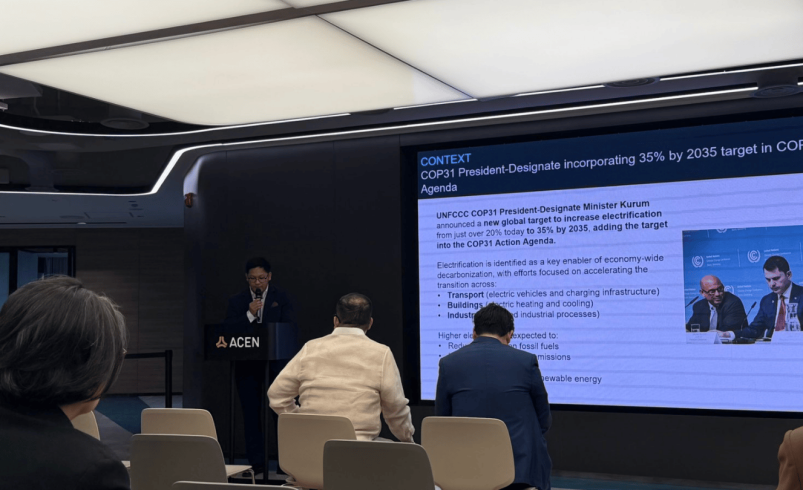
Speaking during the “Powering the Philippines: Renewable Energy Leaders Reception” in Makati City, GRA representative Rexor Amancio said the group’s Electrification Campaign seeks to accelerate electricity use as a driver of energy security, economic growth, and renewable energy deployment.
“When we talk about energy transition, we often focus on renewable energy deployment—more solar, more wind, and more storage. But there is another side of the equation,” Amancio said.

“The question is not only how to generate clean electricity, but also how we are using it,” he added.
The campaign aims to increase the share of electricity in global final energy consumption from around 21% today to 35% by 2035. Amancio said achieving this would require electrification to accelerate around four times faster than historical rates.
For the Philippines, he said electrification should be viewed not only as a climate issue but as a development and competitiveness strategy.
“For the Philippines, electrification is not simply a climate issue. It is an economic development strategy. It is an energy security strategy, and increasingly it is an industrial competitiveness strategy,” Amancio said.
The campaign identifies three priority sectors for faster electrification: transport, buildings, and industry.
For transport, Amancio cited electric vehicles, electric motorcycles, electric buses, and electrified public transport as key opportunities. For buildings, he pointed to efficient electric cooling systems, heat pumps, smart building technologies, and greener buildings.
For industry, the campaign seeks greater electrification of industrial processes and deeper integration of renewable energy into manufacturing.
Amancio said the shift is especially important for countries like the Philippines, which still rely heavily on imported fossil fuels for transportation and other parts of the economy.
“For every peso spent on imported fuel, it’s a peso that leaves the Philippine economy. Every megawatt-hour generated from domestic resources strengthens our energy independence,” he said.
The GRA said electrification can create additional demand for renewable electricity, allowing solar, wind, storage, and other clean energy sources to play a larger role across the broader economy.
Climate Change Commission Secretary Robert E.A. Borje also said renewable energy must be seen through a wider development lens, particularly as the Philippines seeks to build an energy system that is secure, affordable, and resilient.
“The value of renewable energy, therefore, extends beyond decarbonization alone,” Borje said.
“If pursued wisely, it can help create the conditions for more affordable and predictable power, stronger investor confidence, greater economic resilience, and more durable and sustainable growth,” he added.
Amancio said electrification is also gaining momentum globally, with Australia and Türkiye, as incoming COP31 (2026 United Nations Climate Change Conference) hosts, identifying the push to raise electricity’s share in final energy use to 35% by 2035 as a key policy priority.
He said the Philippines could help champion electrification in Southeast Asia, particularly as the country prepares to chair ASEAN and as renewable energy, grid development, and system planning become increasingly linked.
The campaign builds on the earlier global push to triple renewable energy capacity and double energy efficiency by 2030, both of which the Philippines supported.
As the country expands renewable energy capacity, the next challenge is ensuring that more sectors of the economy are ready to use clean electricity.
Can the Philippines accelerate electrification in transport, buildings, and industry fast enough to unlock the next phase of its renewable energy transition?
Follow Power Philippines on Facebook and LinkedIn or join our Viber community for more updates.